
Should I throw UNIQLO clothes away once they’re worn out?
Sustainability Basics
Dec 01, 2025
SOCIAL INNOVATION
UNIQLO stores are currently distributing a booklet prepared by WWD editors, offering an overview and vision of UNIQLO’s sustainability initiatives.
Previously, we published an interview with UNIQLO Creative Director Clare Waight Keller, and now we introduce eight essential sustainability basics you might be hesitant to ask about — all presented in an easy Q&A format.
Q. Should I throw UNIQLO clothes away once they’re worn out?
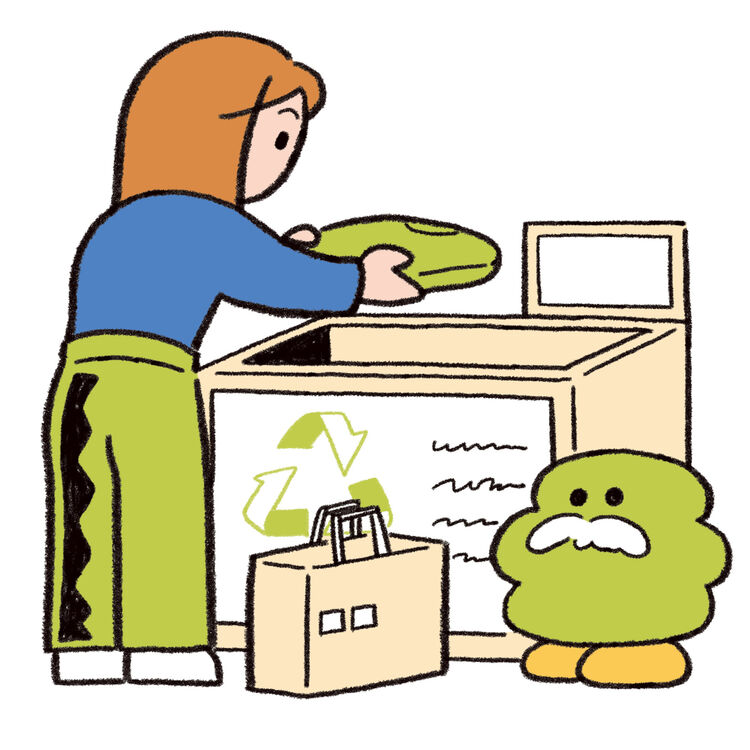
A. No! Bring them to the RE.UNIQLO boxes at stores. Clothes with life left in them will be delivered by UNHCR to refugees and people in need all over the world. A portion will be repaired, washed, and sold as vintage items or recycled into raw materials. Items unfit for clothing can be recycled as materials such as insulation and soundproofing.
About RE.UNIQLO:
https://www.uniqlo.com/jp/en/contents/sustainability/planet/clothes_recycling/re-uniqlo/
What happens to the clothes that have been collected?
They are sent to a sorting center.
In 2006, UNIQLO began recycling programs for all products. Since then, UNIQLO has been working hard to ensure unneeded clothing isn’t simply tossed but finds a new use in society. Items collected at RE.UNIQLO boxes in stores are sorted for reuse, recycling, or reuse as materials. This work is carried out by sorting centers set up throughout Japan.
Today, sorting takes place at several locations nationwide, one of which is in Sendai. In one section of the giant and immaculately clean warehouse, boxes from stores across the country is piled into massive heaps. After opening each package, workers inspect the garments with their eyes and hands. The steady stream of clothing is rapidly sorted by season and size. To make it easier to read small text on the tags, workers use magnifying glasses and special lights, with each person sorting 20 to 30 boxes per day.
This seemingly simple work requires careful judgment. Sleeveless tops, for example, can’t be dispatched to regions that customarily avoid exposing skin. Camouflage patterns and prints depicting weapons may be associated with armed conflict, even if they feature anime characters. Such items are set aside, out of consideration. These workers do more than handle pre-owned clothes. They examine each piece, imagining it being worn by someone in a faraway country.
What’s special about collecting and sorting second-hand clothing at UNIQLO is our emphasis on the quality of the donations. Bales packaged here are not unpacked until they reach their destination, where they’ll be handed out to those in need. Along with cultural and religious considerations, UNIQLO also focuses on the way items are folded. Wrinkled items would disappoint anyone. UNIQLO tries to keep the recipient’s feelings in mind.
Sorted clothes are delivered to UNHCR and local NGOs. When recipients offer feedback like “I could wear this shirt to church” or “Now I’m ready to take my child to school on cold mornings” along with photos or videos, it gives the staff a boost of motivation. “It encourages me knowing that these clothes will help improve somebody’s life,” one member of the staff memorably shared. “Please bring your clothes with the thought that it will be useful to someone. We will carefully sort them with the intention that they reach those who need them.”
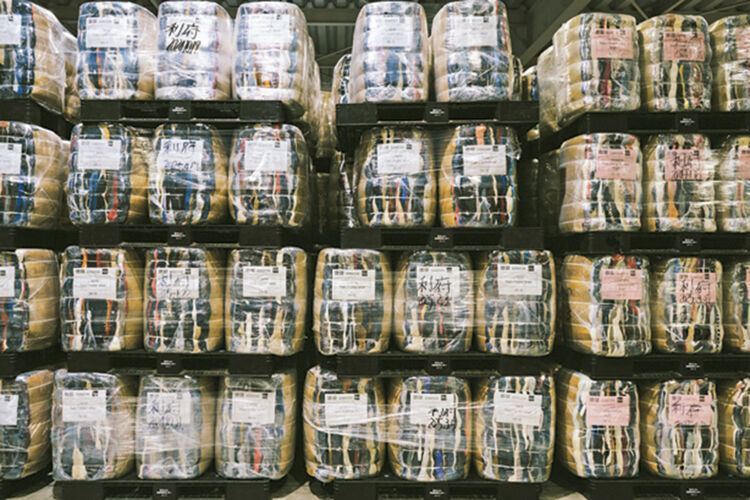 Thanks to partnerships with UNHCR and other organizations, a total of 58.97 million items have been donated to eighty-one countries and regions as of August 2024 *Update latest figures
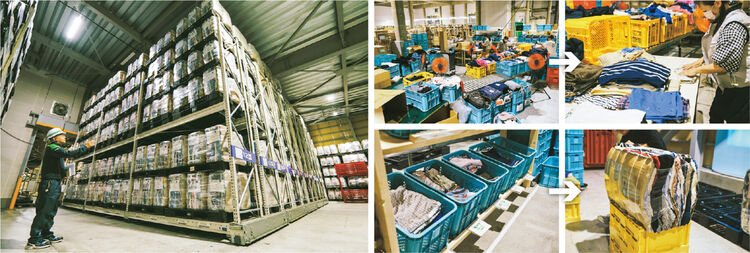 Each bale contains about one hundred garments, neatly folded and ready to be worn. The bales are labeled for easy sorting.
Boxes from all over Japan are opened up and clothes are sorted. ① Items are sorted into three lanes for men’s, women’s and children’s. ② Tags and sizes checked for every single item. ③ Clothes deemed sensitive for cultural or religious reasons are removed. ④ Items sorted into eighteen categories. ⑤ Sorted items are folded and compressed into bales. Effort is made to ensure folding is done neatly, so that clothes can be distributed upon arrival.
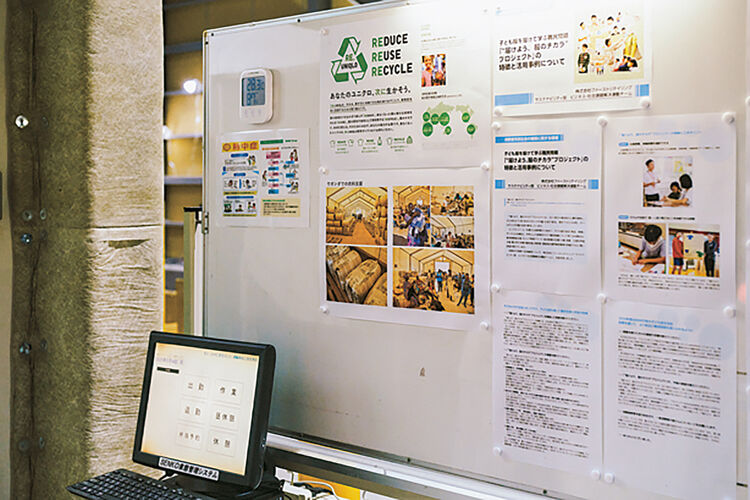
Photos of the places and people where items have been sent are posted at the facility entrance to give the staff a guiding purpose.
Q. What makes fashion more sustainable?
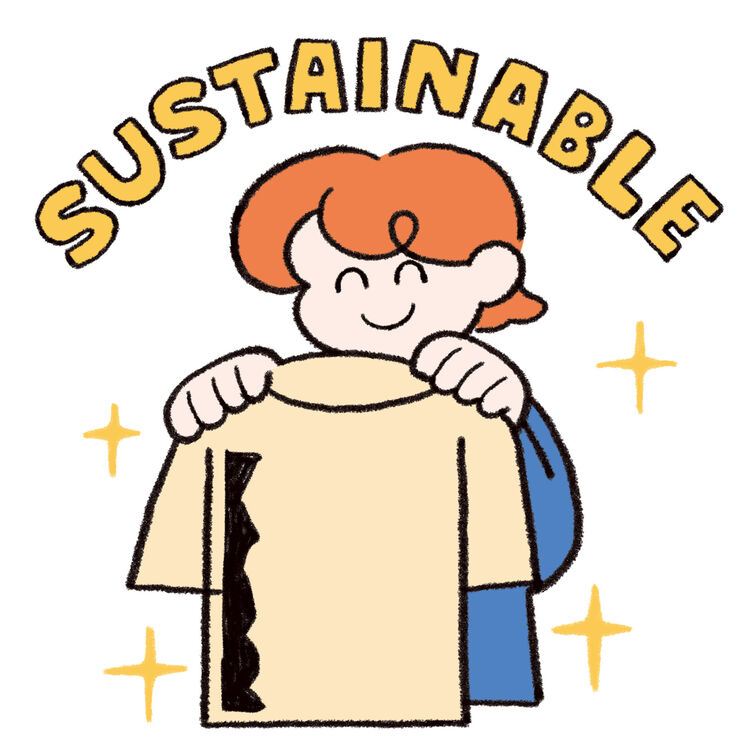
A. A long-term commitment to making clothes with the environment and human rights in mind.
It means thinking about not only the materials and production, but sustainable approaches to how the clothes are worn and thrown away.Q. What’s the difference between “eco-friendly” and “sustainable”?
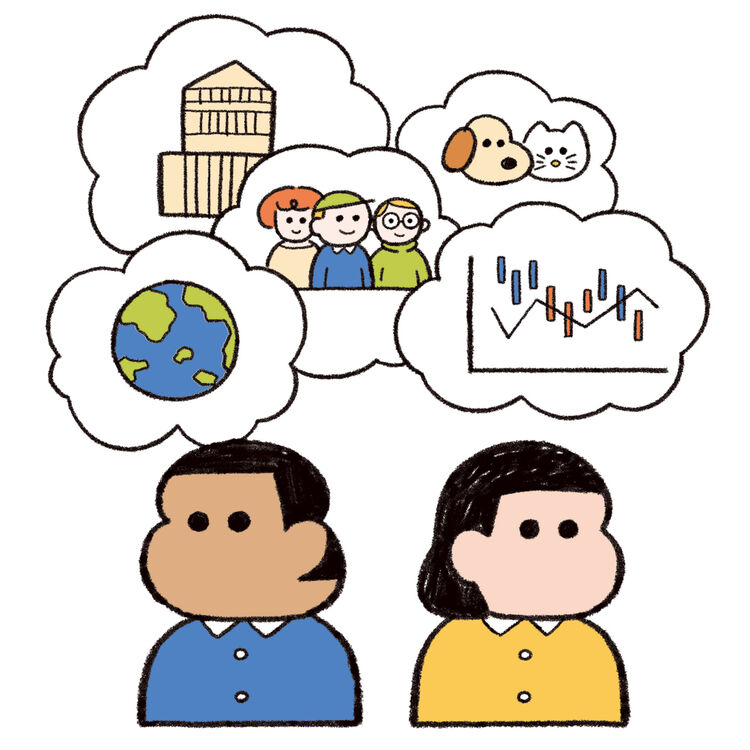
A. Eco-friendly” focuses on being kind to the environment, while “sustainability” considers human rights, economics, and social viability.
It takes a long-term, structural perspective.Q. Are reusing and recycling the same?
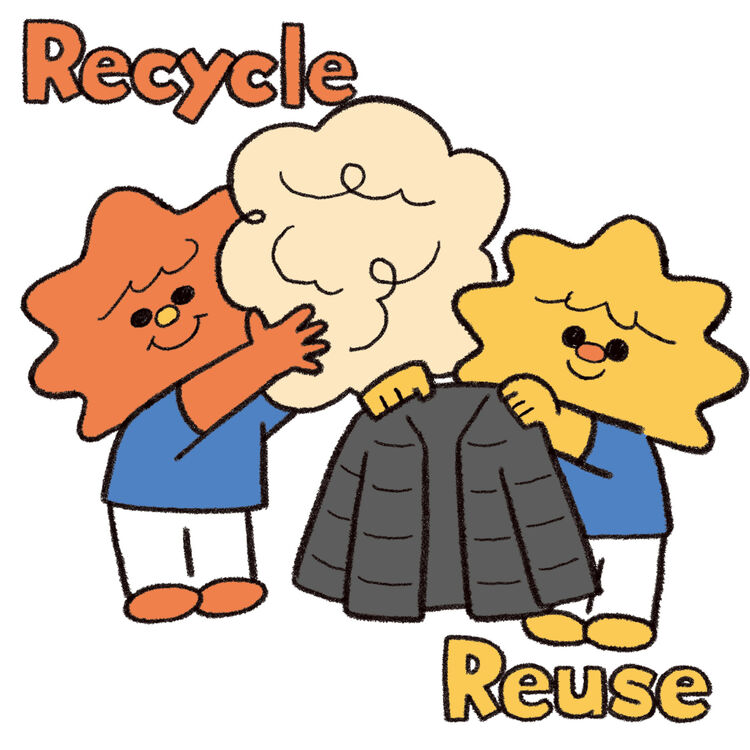
A. Recycling means converting goods into materials. Reusing means using things again.
Q. Why is sustainability in the spotlight?
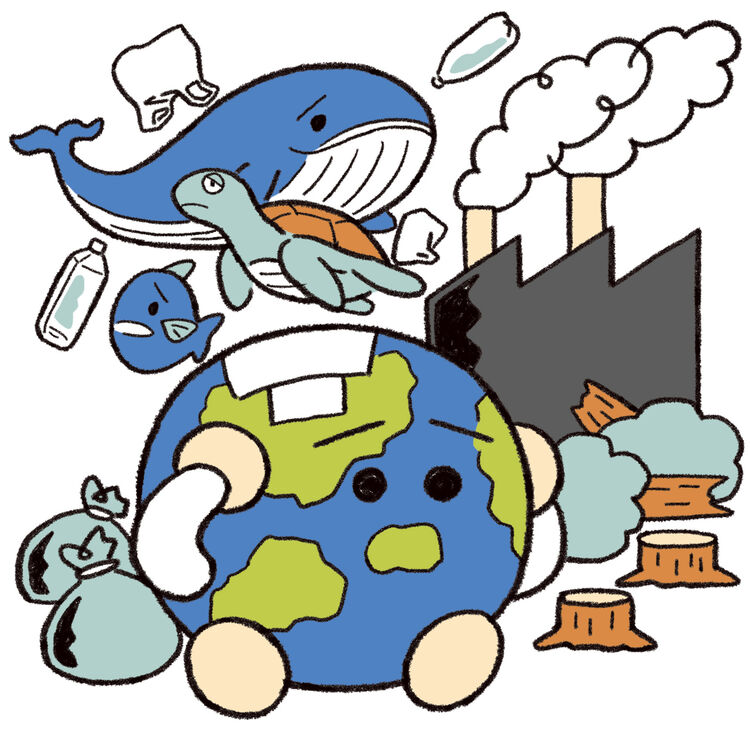
A. Society is being pushed to its limits by climate change, inequality, and resource shortages.
Now that people have begun to see the old ways as unworkable, the fashion industry is being held to task. Q. What should I pay attention to when buying clothes?

A. Start by checking the materials on the care tag. Opt for items made using recycled materials.
Choose designs that can be worn for years and match the clothes you own.Q. How can I make clothes last longer?
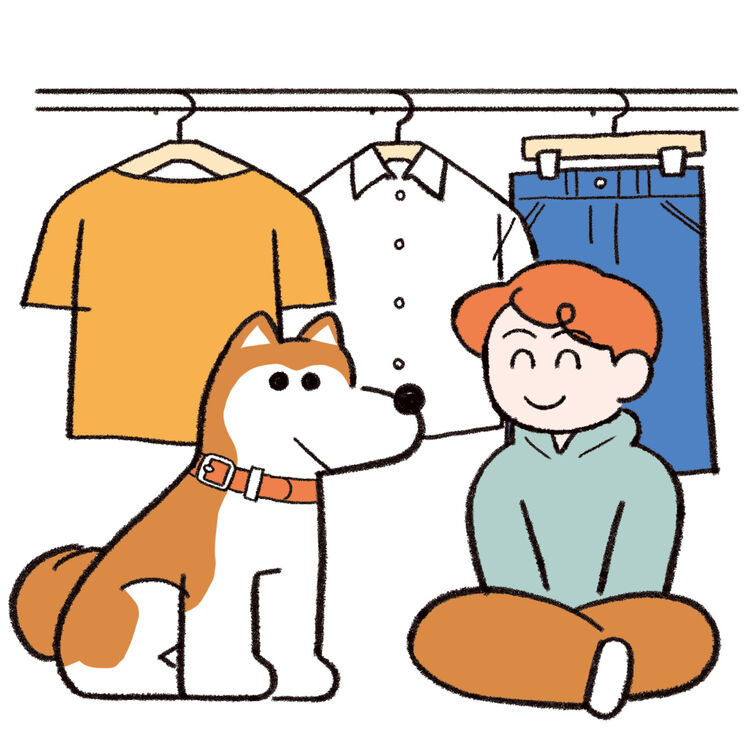
A. Follow the instructions on the care tag. Don’t over launder. Dry in a well-ventilated area.
Q. Why has UNIQLO started using paper shopping bags?
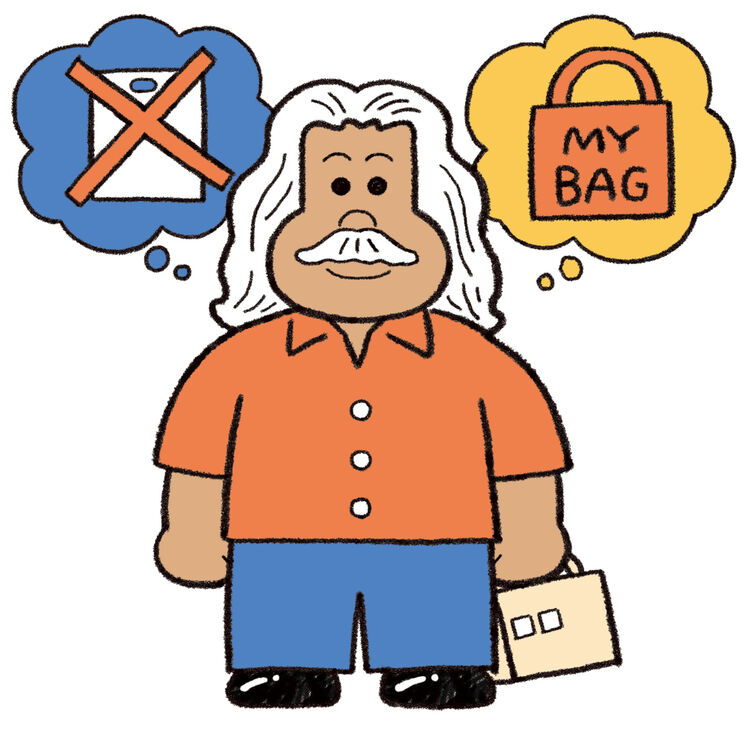
A. Plastic bags have their perks, but most are single use. They break down slowly, posing harm to sea life and releasing microplastics into nature.
With this in mind, UNIQLO made the transition to paper in 2019 and has charged for paper bags since 2020. These bags use recycled paper and responsibly forested materials. By bringing your own bag, you can eliminate the burden altogether. UNIQLO stores are currently distributing a booklet prepared by WWD editors, offering an overview and vision of UNIQLO’s sustainability initiatives.
Previously, we published an interview with UNIQLO Creative Director Clare Waight Keller, and now we introduce eight essential sustainability basics you might be hesitant to ask about — all presented in an easy Q&A format.
Q. Should I throw UNIQLO clothes away once they’re worn out?
A. No! Bring them to the RE.UNIQLO boxes at stores. Clothes with life left in them will be delivered by UNHCR to refugees and people in need all over the world. A portion will be repaired, washed, and sold as vintage items or recycled into raw materials. Items unfit for clothing can be recycled as materials such as insulation and soundproofing.
About RE.UNIQLO:
https://www.uniqlo.com/jp/en/contents/sustainability/planet/clothes_recycling/re-uniqlo/
What happens to the clothes that have been collected?
They are sent to a sorting center.
In 2006, UNIQLO began recycling programs for all products. Since then, UNIQLO has been working hard to ensure unneeded clothing isn’t simply tossed but finds a new use in society. Items collected at RE.UNIQLO boxes in stores are sorted for reuse, recycling, or reuse as materials. This work is carried out by sorting centers set up throughout Japan.
Today, sorting takes place at several locations nationwide, one of which is in Sendai. In one section of the giant and immaculately clean warehouse, boxes from stores across the country is piled into massive heaps. After opening each package, workers inspect the garments with their eyes and hands. The steady stream of clothing is rapidly sorted by season and size. To make it easier to read small text on the tags, workers use magnifying glasses and special lights, with each person sorting 20 to 30 boxes per day.
This seemingly simple work requires careful judgment. Sleeveless tops, for example, can’t be dispatched to regions that customarily avoid exposing skin. Camouflage patterns and prints depicting weapons may be associated with armed conflict, even if they feature anime characters. Such items are set aside, out of consideration. These workers do more than handle pre-owned clothes. They examine each piece, imagining it being worn by someone in a faraway country.
What’s special about collecting and sorting second-hand clothing at UNIQLO is our emphasis on the quality of the donations. Bales packaged here are not unpacked until they reach their destination, where they’ll be handed out to those in need. Along with cultural and religious considerations, UNIQLO also focuses on the way items are folded. Wrinkled items would disappoint anyone. UNIQLO tries to keep the recipient’s feelings in mind.
Sorted clothes are delivered to UNHCR and local NGOs. When recipients offer feedback like “I could wear this shirt to church” or “Now I’m ready to take my child to school on cold mornings” along with photos or videos, it gives the staff a boost of motivation. “It encourages me knowing that these clothes will help improve somebody’s life,” one member of the staff memorably shared. “Please bring your clothes with the thought that it will be useful to someone. We will carefully sort them with the intention that they reach those who need them.”
Thanks to partnerships with UNHCR and other organizations, a total of 58.97 million items have been donated to eighty-one countries and regions as of August 2024 *Update latest figures
Each bale contains about one hundred garments, neatly folded and ready to be worn. The bales are labeled for easy sorting.
Boxes from all over Japan are opened up and clothes are sorted. ① Items are sorted into three lanes for men’s, women’s and children’s. ② Tags and sizes checked for every single item. ③ Clothes deemed sensitive for cultural or religious reasons are removed. ④ Items sorted into eighteen categories. ⑤ Sorted items are folded and compressed into bales. Effort is made to ensure folding is done neatly, so that clothes can be distributed upon arrival.
Photos of the places and people where items have been sent are posted at the facility entrance to give the staff a guiding purpose.
Q. What makes fashion more sustainable?
A. A long-term commitment to making clothes with the environment and human rights in mind.
It means thinking about not only the materials and production, but sustainable approaches to how the clothes are worn and thrown away.
Q. What’s the difference between “eco-friendly” and “sustainable”?
A. Eco-friendly” focuses on being kind to the environment, while “sustainability” considers human rights, economics, and social viability.
It takes a long-term, structural perspective.
Q. Are reusing and recycling the same?
A. Recycling means converting goods into materials. Reusing means using things again.
Q. Why is sustainability in the spotlight?
A. Society is being pushed to its limits by climate change, inequality, and resource shortages.
Now that people have begun to see the old ways as unworkable, the fashion industry is being held to task.
Q. What should I pay attention to when buying clothes?
A. Start by checking the materials on the care tag. Opt for items made using recycled materials.
Choose designs that can be worn for years and match the clothes you own.
Q. How can I make clothes last longer?
A. Follow the instructions on the care tag. Don’t over launder. Dry in a well-ventilated area.
Q. Why has UNIQLO started using paper shopping bags?
A. Plastic bags have their perks, but most are single use. They break down slowly, posing harm to sea life and releasing microplastics into nature.
With this in mind, UNIQLO made the transition to paper in 2019 and has charged for paper bags since 2020. These bags use recycled paper and responsibly forested materials. By bringing your own bag, you can eliminate the burden altogether.
About campaign:
https://www.uniqlo.com/jp/en/contents/sustainability/planet/clothes_recycling/re-uniqlo/product/?srsltid=AfmBOorMraEH8jmVDJ5FO3auztItrRAbIeqdITnj7Xpdqan3NSwoeu5P