LifeWear
and
the Future
- Vol.
-
05
Washing Clothes
What can we do to lower the environmental impact caused by laundry, even slightly? It’s time to take a closer look at washing clothes.
Examining the environmental impacts of laundry
As the effects of the fashion industry on the environment have received more and more attention, people have become increasingly vocal about ending wasteful shopping practices and proactively reusing and recycling. It’s easy to overlook the role of washing clothes in all of this. “While most of the environmental impact of clothing happens on the production side, it turns out that the way we care for clothes at home has a big impact as well,” says Dr. Rainer Stamminger, professor emeritus at the University of Bonn, whose research has long been situated at the intersection of housework and the environment. When you look closely, laundry affects the environment in complex ways.
Foremost, it requires huge amounts of energy and water, which in turn produces greenhouse gases. Then there’s the detergents. Synthetic cleansers, including petroleum-derived surfactants, take a great deal of time to break down and cause water contamination. “At this point, it’s hard to imagine someone inventing a revolutionary laundering method that would drastically lower our environmental impact. The real task is to make lasting changes to our habits.” Depending on the way you wash your clothes, you could be using two to three times more energy and water than necessary. Changing daily laundry habits is another way to reduce energy consumption. These little changes, added up, make a big difference.
Proper laundering makes clothes last longer
Mass clothing disposal has become an international concern, but not all clothes are thrown away gladly. It’s all too common for a favorite item to be accidentally ruined in the wash. Professor Stamminger says that “laundry is a process for increasing the longevity of clothing by removing soiling caused by wear.” Poor laundering practices can ruin clothes, but with the proper care, they’ll last much longer, stemming the flow into the landfill.
The benefits of using clothes for longer go beyond simply reducing sheer physical waste. Research suggests* that wearing an item for an additional nine months cuts that piece of clothing’s environmental impact by about 20%. It’s easy to imagine how washing and tumble-drying your clothes every time you wear them results in a much shorter lifespan than just washing as necessary and drying on the line. Read on for tips on how to change your laundry habits to get the most out of your clothes.
*As reported by groups like the UK nonprofit WRAP.
So, what can you do today?
Step one is to reduce the number of laundry loads. T-shirts and innerwear require frequent washing for cleanliness, but items that don’t touch the skin, like sweats and knits, only need to be washed if they’re dirty. To freshen them up, you could hang them in the shade or use a steamer to deodorize and sanitize. And rather than packing the machine to the brim, aim for 80%. Temperature is also key. In many parts of Asia, it’s common to do laundry with cold water, but high mineral content can prevent detergents from dissolving, while in many parts of Europe and the US, hot settings are the norm. According to Professor Stamminger’s research, lowering the water temperature by just 3° C uses on average 12% less energy, while lowering by 5° C uses 19% less. Switching detergents is another way you can take action fast. Opt for highly biodegradable plant-based products and detergents whose labels mention a low use of surfactants.

Dr. Rainer Stamminger
Household Technology Researcher
Household Technology Researcher
Professor Emeritus at the University of Bonn in Germany. PhD in physics. Researching household technology since 2002. By analyzing chores like dishwashing and laundry in terms of energy and water, he finds ways to make these tasks more sustainable.
Laundry basics for making clothing last
Cleaning expert Yasuyuki Mogi answers your most pressing laundry questions. Grasping the basic facts helps you to maximize your clothing’s potential.
- Q1 Why do wool knits shrink? What’s the secret to washing them?
-
The cuticles surrounding animal fibers open up when wet. Disturbing them in this state causes them to tangle and bunch up. Friction can also cause the fibers to pill or deform, so to minimize damage, it’s best to wash them for a short time only. Mogi recommends washing as follows: 1. Add a neutral detergent to lukewarm water and stir well. 2. Immerse the knits, turned inside out, and handwash for 3 minutes. 3. Place inside a net bag and run on spin cycle for 1 minute. 4. Remove from net and rinse for 3 minutes. 5. Return to net bag and spin for 1 minute. Spread out the item and dry flat. “A light spin cycle helps knits shed dirty water and detergent,” says Mogi.
- Q2 Should knits be washed after each use?
-
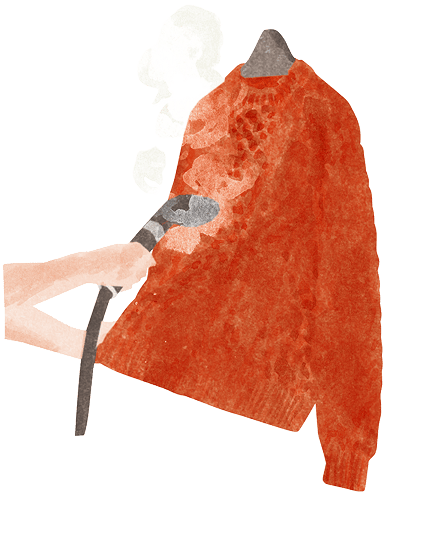
“As long as they’re worn over innerwear and don’t touch skin, you only need to wash them a few times a season. Brush after each use to knock off any surface dust. Using a steamer gets rid of smells and kills bacteria.” You can also just wash parts that are prone to absorbing sweat and oils, like the neck and cuffs.
- Q3 Do I really need a net bag?
-
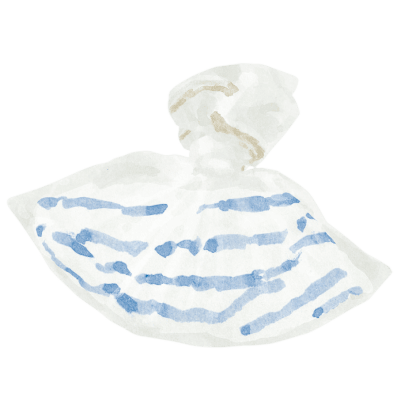
“Knits lose shape easily. It’s good to use a net bag for anything that’s prone to wrinkles. Bags protect the fibers from damage and entanglement, for handsome results. To keep folded items from jostling around, you can use a slightly smaller bag or tie back excess material.”
- Q4 Should I use fabric softener?
-
“There’s no need to use it every time. Totally optional. Just use it when you want a softer feel. Softeners are like hair treatments, in that they add a layer of film to the surface of the fibers, which can make them less absorbent. It’s not recommended to use softeners with innerwear or towels.”
- Q5 What’s a simple thing anyone can do to make their clothes last longer?
-
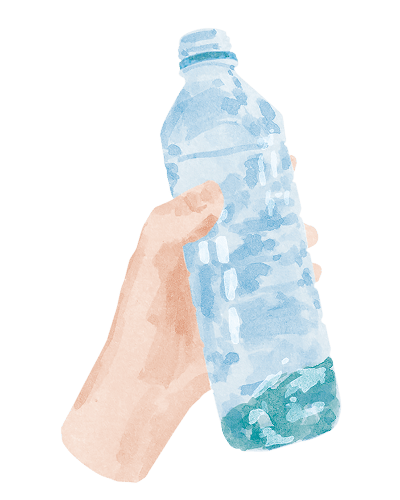
“Before tossing your clothes into the wash, dissolve powder detergent in water. Detergent actually protects clothes from the damaging effects of water. Mixing well and making sure the detergent is emulsified helps shield the fibers from distress. For top-loading machines, run on empty for a moment and then toss in the detergent, letting that go for 2 or 3 minutes. For drum-style machines, use a plastic bottle to mix the detergent and water in a 1:1 ratio before pouring into the detergent tray.”
- Q6 I’m hesitant to wash down items. Will they really be okay?
-
“Remember that down comes from waterfowl. The feathers will be fine! It’s important to wash down because you tend to sweat when wearing it. Perspiration and moisture causes down to flatten, so we recommend washing twice a season, midway through and at the end.”
- Q7 What’s the difference between washing and dry-cleaning?
-
“As the name implies, dry-cleaning doesn’t use water, relying instead on organic solvents. It’s good for preventing damage and shrinking. One big difference is that dry-cleaning can remove oily residues from skin oils, foundation, and ballpoint pens. Water-based stains from things like sweat and tea, though, won’t come out in dry-cleaning, so laundering is your best bet.”
- Q8 What’s the best way to wash rigid denim if you don’t want it to fade?
-
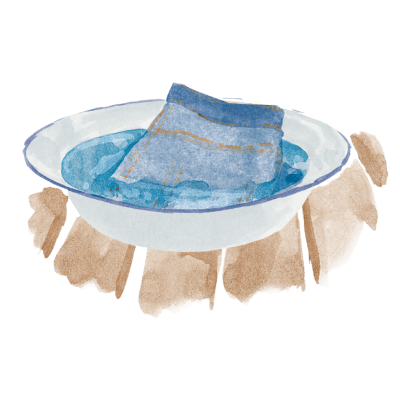
“If you want to keep that deep indigo color, handwashing is the way to go. Make sure to turn the item inside-out and use only room temp water. Special denim detergents can also help to prevent fading. UV radiation causes fading too, so try not to dry these items in direct sunlight.” To keep items in as close to new condition as possible, you can reduce the number of washes by using disinfectant spray.
Are your knits shrunken, stretched, or stained?
Essential for the fall and winter months, knits require special care.
A little bit of elbow grease can put these items back into rotation.
Stretching

It depends a bit on the design and thickness of the yarn, but Mogi says that “most stretching can be reversed by washing. Use the technique described above and wash gently by hand. Fibers contract during the spin cycle, returning items to their original shape. Over time, knits will conform to the body of the person wearing them. Using a steamer after each wear will also help to prevent stretching.”
Shrinking
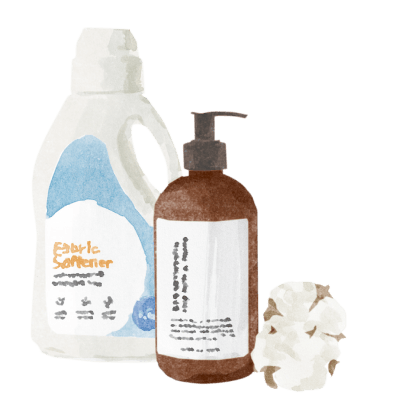
As a last course of action against shrunken knits, try soaking in fabric softener or hair rinse. “1. Fill a wash basin with lukewarm water and add about 4 squirts of rinse or 10 ml of fabric softener per 10 liters of water. Dissolve well. 2. Soak the knits for 4 hours. 3. Lightly rinse and slosh around by hand. Drain. 4. Spread out the item and dry flat.” If this doesn’t fix the shrinkage, consider recycling.
Stains
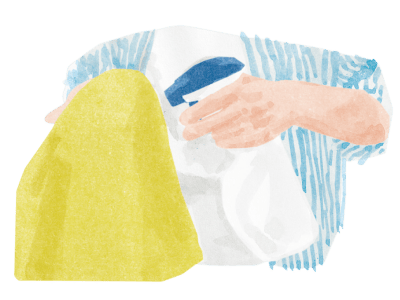
Different stains call for different measures, but for now let’s focus on mysterious stains that have been there for some time. “If you’re not sure what caused it, take an approach that works on water-based and oil-based stains alike. 1. Using a spray bottle, mix neutral detergent and water in a 1:1 ratio and spray onto the stain. 2. Scrub the stain using a toothbrush. 3. Repeat steps 1 and 2 for about 10 minutes before washing by hand. Use the remaining solution within a week.”
*No guarantees are made as to the results or efficacy of methods featured in this article. Different materials, dyes, degrees of soiling, and washing conditions may lead to fading, shrinking, loss of shape, and damage. Be sure to check the washing and care labels and proceed at your own risk.

Yasuyuki Mogi
Cleaning expert
Cleaning expert
Director of cleaning shop LIVRER. Cleans costumes for Shiki Theatre Company and Cirque du Soleil. Other projects include Laundry Brothers, a group that provides care guidance for getting the most out of your clothes.
Try shopping based on washability
If you choose your clothes based on ease of care—effortless laundering, resistance to wrinkling—they’re bound to last you longer.
-
![LifeWear and the Future]()
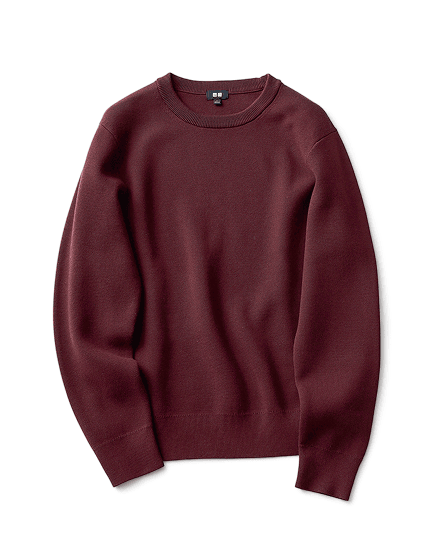
Washable Milano Ribbed
Crew Neck SweaterThis Milano ribbed knit combines a rib stitch with a flatfaced tubular stitch to create a fine weave. Ordinarily, this kind of knit tends to stiffen in the wash, but UNIQLO uses a stretchy yarn that holds its shape and feels soft right out of the laundry. This is a sweater you can wear and care for like a sweatshirt.
- Washable Milano Ribbed Crew Neck Sweater
- Washable Milano Ribbed Crew Neck Sweater
-
![LifeWear and the Future]()
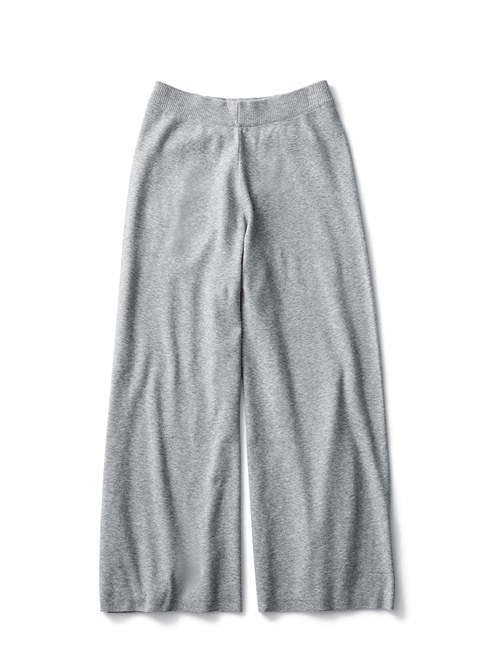
W’s Washable
Knit PantsA stress-free pair of pants that feel both soft and unrestrictive and yet hold their shape. What allows these knit pants to have such contradictory attributes is a full-needle knitting method that creates an extra-dense weave. Knit under tension, the fabric is less prone to pilling and won’t lose its shape so easily from washing.
- W’s Washable Knit Pants
- W’s Washable Knit Pants
-
![LifeWear and the Future]()
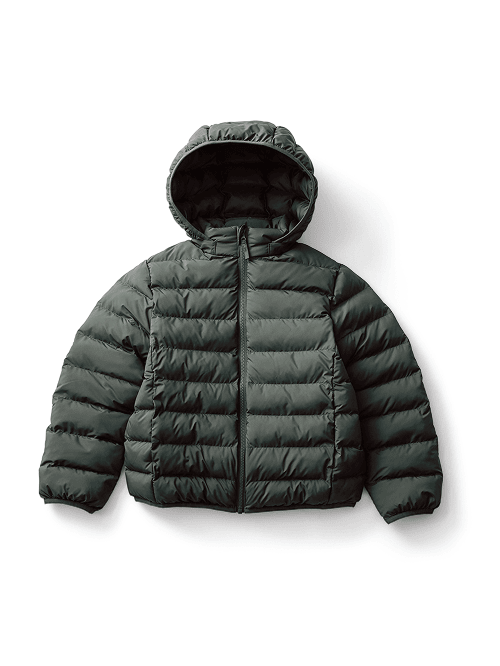
K’s PUFFTECH
Washable ParkaKids play outside, so it’s great if you can toss their jackets in the wash. This PUFFTECH parka uses a special fill developed with Toray Industries. Along with being light and warm, it has more loft than usual and keeps its volume even when wet. The durable water-repellent surface finish stands up to laundering, keeping the kids dry longer.
- K’s PUFFTECH Washable Parka
- K’s PUFFTECH Washable Parka
-
![LifeWear and the Future]()
Super Non Iron
Slim Fit ShirtThis shirt saves you from the wrinkles caused by laundering.* Taped seams help keep the fabric nice and crisp without ironing. A multi-stage process involving immersion in a special fabric treatment and heat pressing gives the garment a fixed shape that lasts. The supple silkiness of high thread count cotton is yet another plus.
- Super Non Iron Slim Fit Shirt
- Super Non Iron Slim Fit Shirt
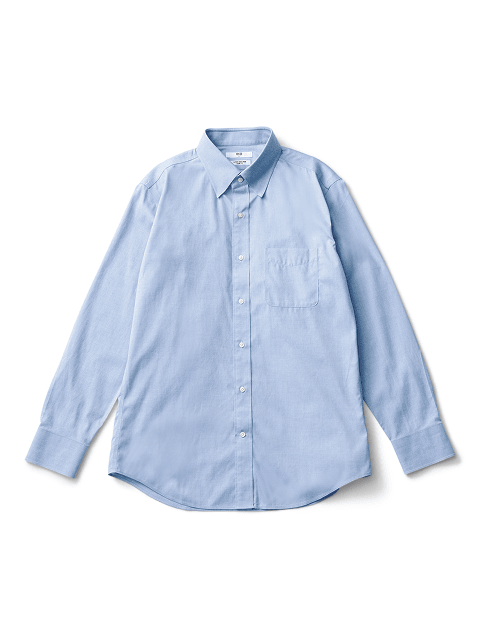
*Depending on washing conditions, light ironing may be required.
- Photography by Yoshio Kato
- Illustrations by Chihiro Yoshii
- Text by UNIQLO