

Five Stories Bound by Solidarity — The Displacement Film Fund Premieres in Rotterdam
May 20, 2026
UNIQLO Today
From a Port of Departure, a Fund for the Displaced Begins Its History
![An image of a person giving a speech on stage, with the international film festival logo projected on a large screen behind them.]()
On January 30th 2026, five short films supported by the Displacement Film Fund (DFF) had their world premieres at International Film Festival Rotterdam (IFFR), in a city that once served as a principal departure point for migrants bound for North America. The fund was established to champion filmmakers who have been displaced, or whose work engages directly with displacement, responding with urgency to a deepening global crisis and ensuring that these stories reach a wider public. This premiere marked the fund’s first public presentation. UNIQLO contributed €100,000 to the initiative as a founding partner.
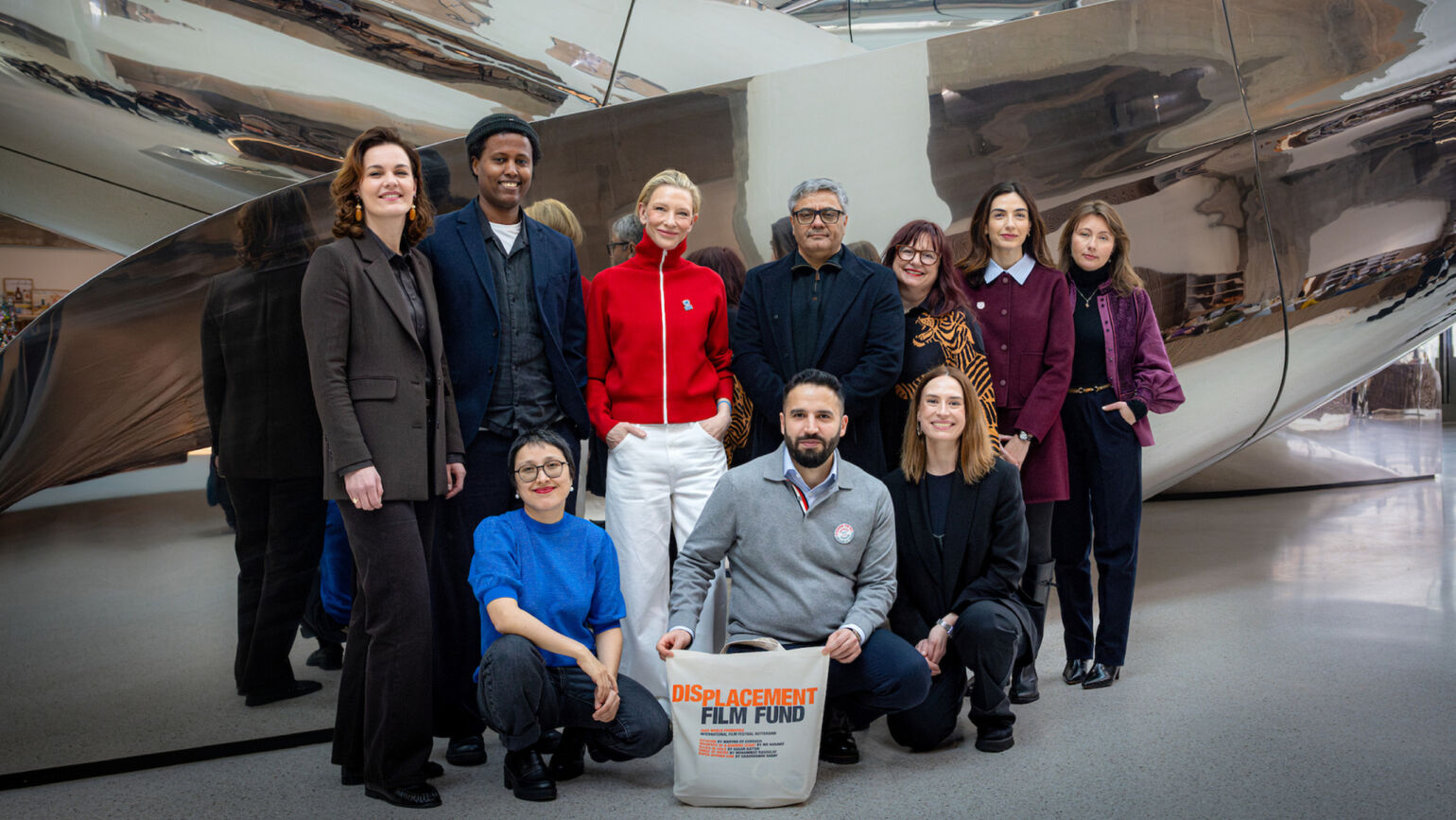
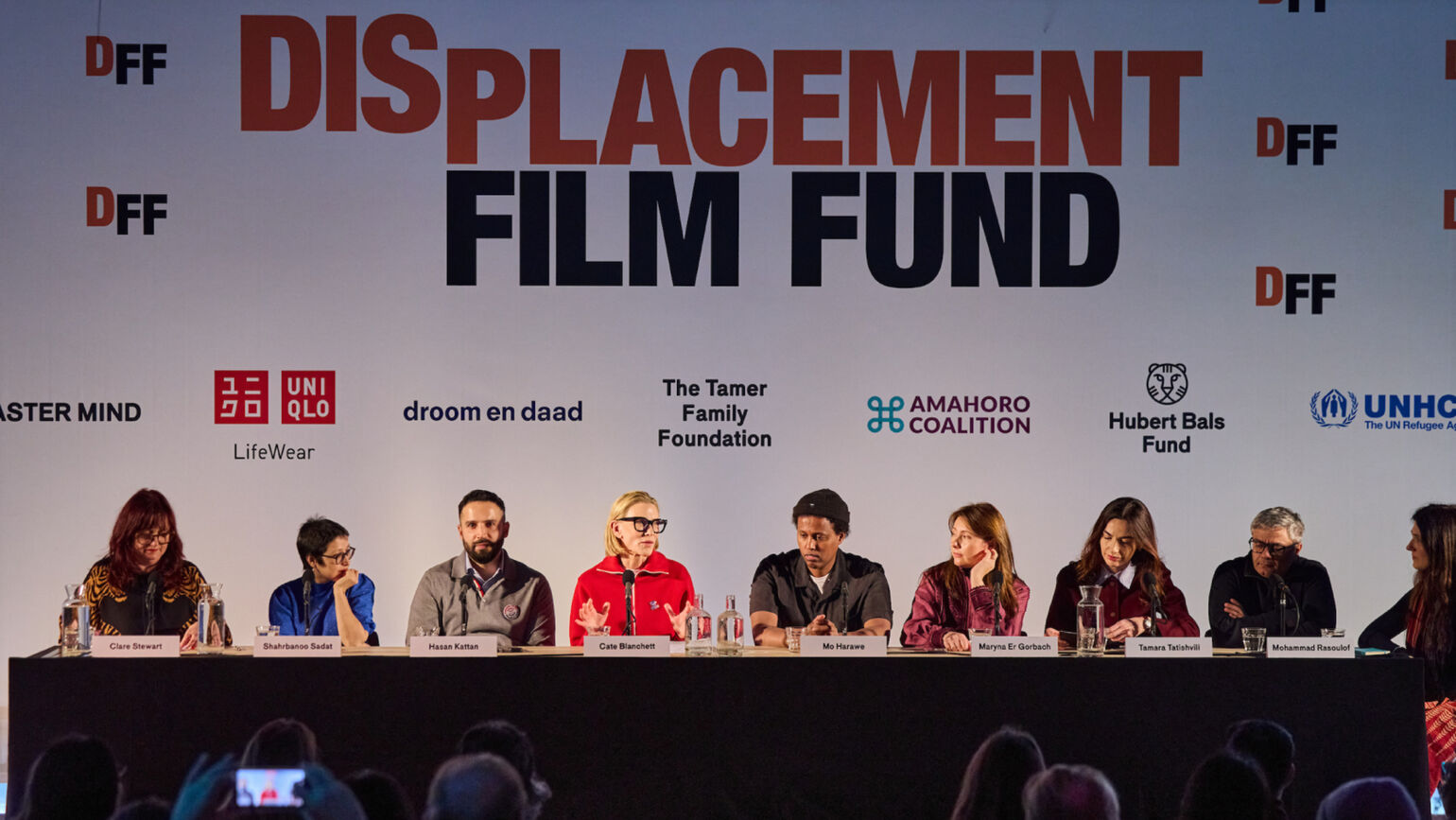
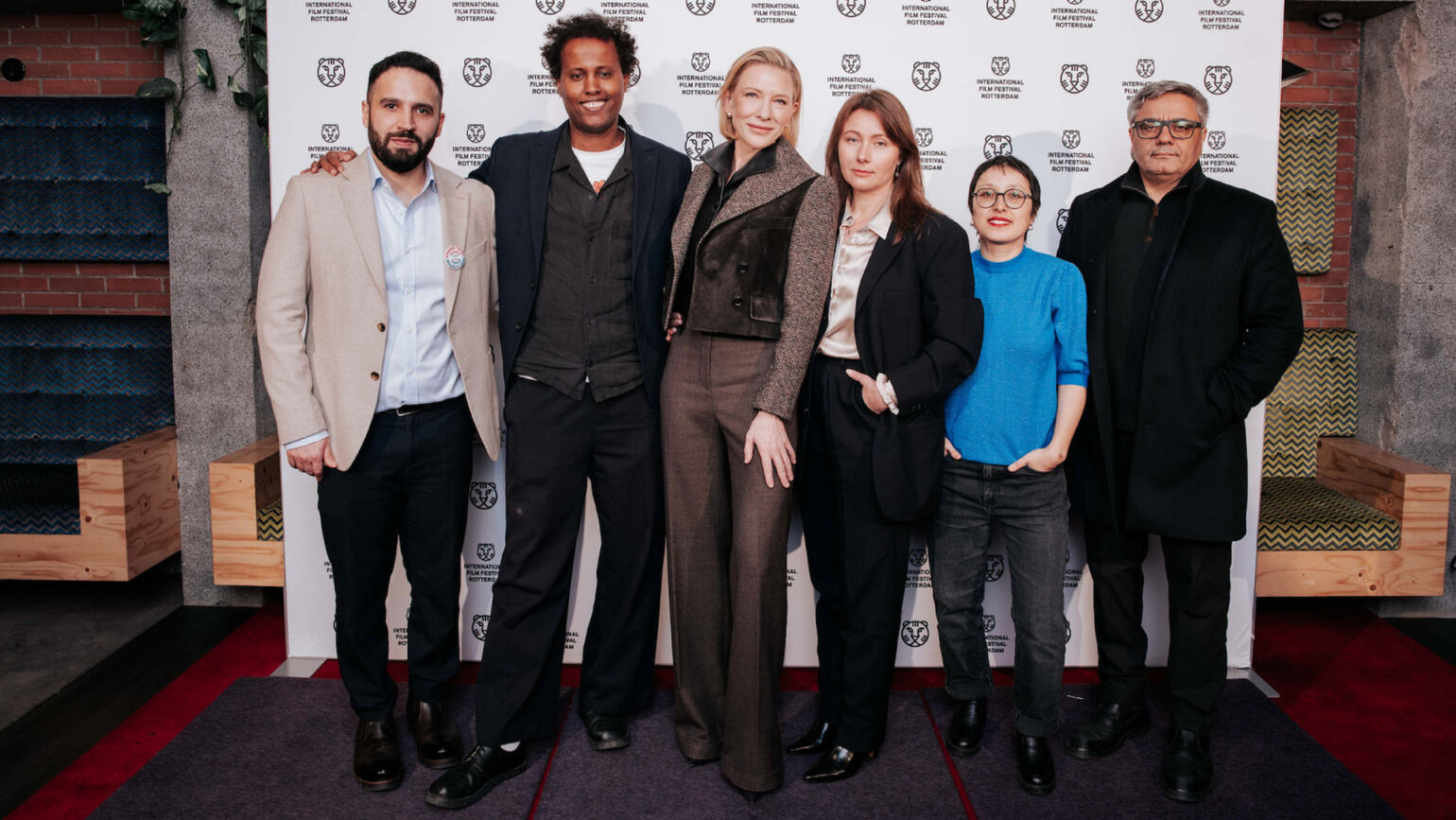
A few hours before the screening, a press conference was held at Fenix, a museum devoted to migration. On stage were Cate Blanchett, UNHCR Goodwill Ambassador; Clare Stewart, Managing Director of IFFR; Tamara Tatishvili, Director of the Hubert Bals Fund (HBF); and the five supported filmmakers: Mohammad Rasoulof, Maryna Er Gorbach, Mo Harawe, Hasan Kattan and Shahrbanoo Sadat.
![A group photo of Cate Blanchett and associates holding bags labelled]()
From the late 19th to the early 20th century, Rotterdam was one of Europe’s main gateways to North America. In the decades after the Second World War, it also became a city of arrival; today, more than half its population is said to have migrant roots. Blanchett noted the resonance of presenting a fund devoted to "displacement” in a city shaped by migration. 'It couldn’t be a better place to be premiering these films', she said. 'There’s such a synergistic coming together here in Rotterdam. To say it’s been a passion project is a massive understatement'. She recalled that the fund was first announced at the end of 2023, during UNHCR’s Global Refugee Forum. A year later, five films had already reached the stage of a world premiere. The initiative, she noted, has now entered its second cycle.
'And when you think about it, it’s like being a woman ― the experience of being female is not monolithic. The experience of being displaced is not monolithic either. There are commonalities and themes that emerge, but they’re wildly different. Each film is so distinct and comes from the inner being of these filmmakers. But when you see them together, as a cohort, I was so alive to the different points of view. Because I think we’re quite unmoored from truth at the moment in the world. And of course truth is made up of many different perspectives. The actual form that this evening has taken is very much alive to those different perspectives'.
Stewart emphasised the fund’s responsiveness, noting that its rapid structure allowed filmmakers to concentrate on production within a short timeframe. Tatishvili described the core of the initiative in a single word: solidarity.
![An image of Cate Blanchett and other representatives sitting in a row at a press conference, speaking through microphones.]()
Five Filmmakers, Five Forms of Displacement
![An image of Cate Blanchett and other representatives standing shoulder to shoulder in front of a backdrop lined with logos.]()
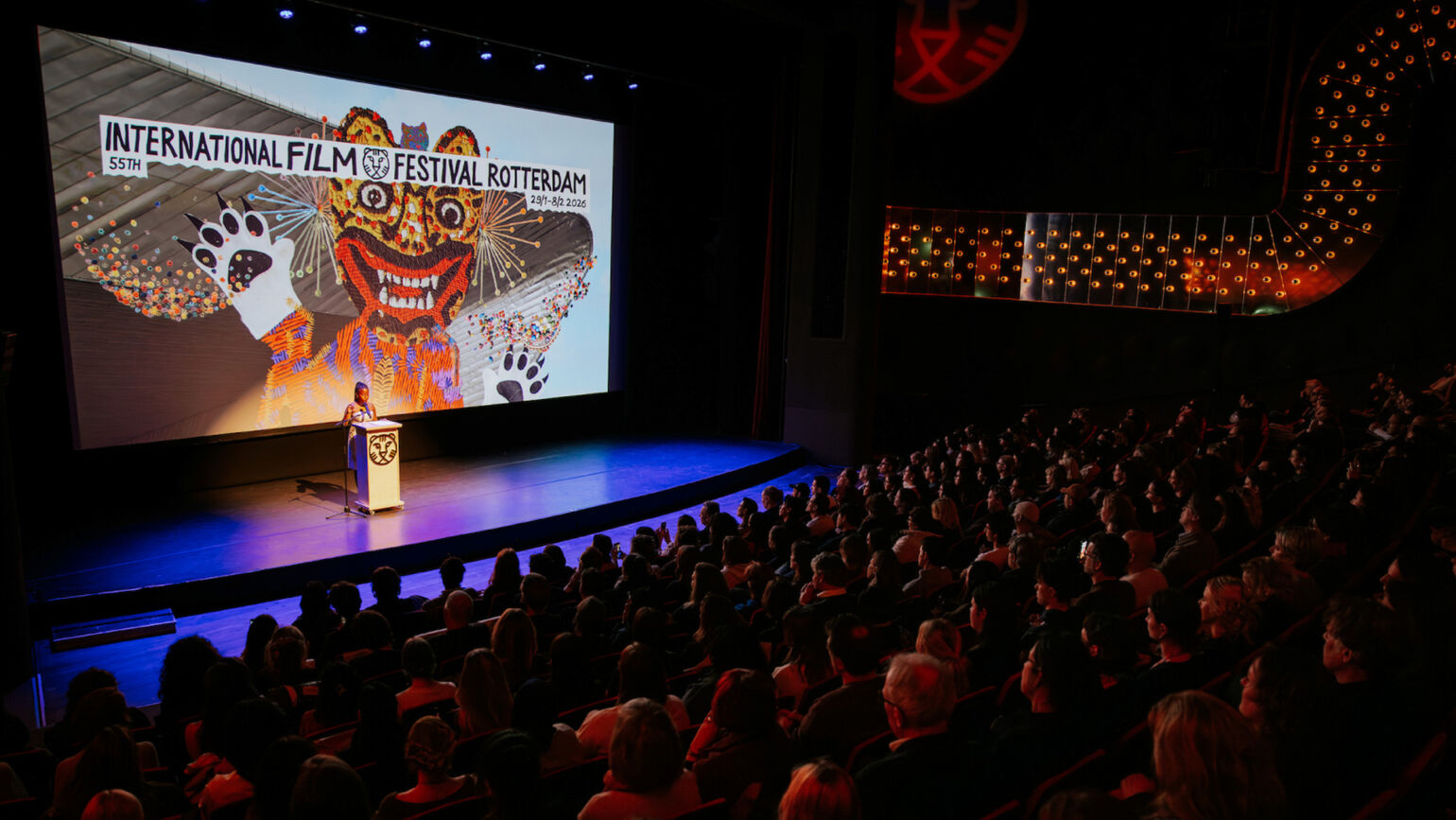
Before the screenings, the opening ceremony featured Amanda Gorman reading her poem What We Carry. 'We walk into tomorrow, carrying nothing but the world', she concluded.
The first film was Rotation by the Ukrainian director Maryna Er Gorbach, a portrait of a young woman conscripted into military service during wartime. At the press conference, Er Gorbach reflected on returning to Ukraine for the shoot and confronting the reality that war reshapes not only daily life, but the very conditions of filmmaking itself.
'I wanted to talk about the displacement of normality that we are experiencing in Ukraine, how ordinary life is gradually being displaced. It is not something extraordinary. I’m sure it could happen in any country', she said. When she returned to Ukraine, she realised that even production conditions had been transformed by war. 'We could not guarantee safety in the usual way. We had to find whatever conditions were possible and adapt', she noted. She explained that she found herself drawn to those who had not chosen this path, who were forced to leave civilian life for military service.
Rotation
Shahrbanoo Sadat’s Super Afghan Gym, a social comedy set in a shuttered Kabul gym open to women only briefly each day, draws on her own experiences. The film illuminates women who strive, lightly yet defiantly, to live as themselves within harsh social constraints.
'I felt that I didn’t belong anywhere, not in Iran, not in Afghanistan, not even after moving to Germany. Making films, teaching myself how to do it, was really a kind of therapy for me. It helped me to find my voice and myself. I eventually realised that all these identities ― Iranian, African, foreigner, "the other", displaced person ― are labels imposed on me from the outside. From the inside, I am the same person'.
Super Afghan Gym
Allies in Exile, directed by Syrian filmmaker Hasan Kattan, is a documentary that follows Kattan and his longtime friend Fadi Al-Halabi as they navigate the bureaucratic labyrinth of the asylum process, after 14 years of documenting Syria’s conflict together.
'Every second, every frame is a memory, something inherited from home', Kattan said. On his journey from Syria to Turkey and eventually to London, when reality became unbearable, he found himself returning to those archives. 'When you lose your home, you try to recreate it in another form', he continued. 'Making this film was, for me, a process of healing'.
Allies in Exile
Mo Harawe’s Whispers of a Burning Scent, from Somalia, approaches displacement obliquely. The film follows a keyboard player at a wedding in Mogadishu who is brought to court, accused of marrying a 75-year-old woman with dementia in order to sell her property.
'It doesn’t necessarily have to be directly about displacement. What matters is how you tell the experiences and the feelings you carry as someone who has lived through it. Displacement has different states, different phases. For me, what really meant the most was not only making the film, but having the chance to work with a team in Somalia, where the filmmaking infrastructure is still very limited'.
Whispers of a Burning Scent
To Hold On to Our Humanity
![An image of a touching moment at a film festival where two men are embracing powerfully.]()
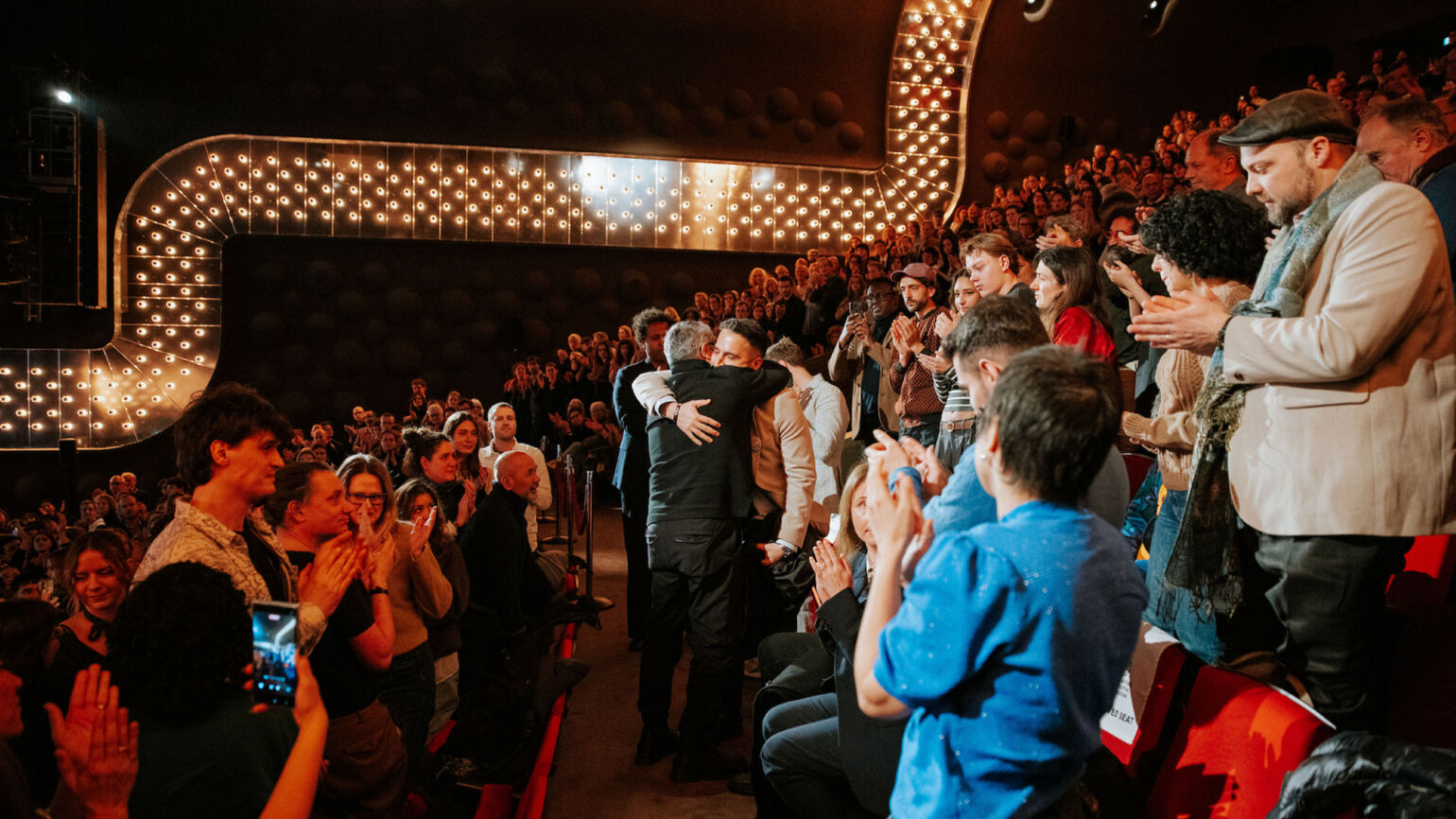
When the screening concluded, the sold-out Oude Luxor Theatre rose in a warm standing ovation. The atmosphere was charged with a sense of connection between the films and the realities unfolding beyond the screen. During the Q&A, with Blanchett and Stewart joining the filmmakers onstage, the directors―many encountering one another’s work for the first time―spoke with a visible sense of solidarity.
'I’ve always been a very hopeful person', Mohammad Rasoulof said. 'I’ve always advised others to find a creative outlet for their pain, to transmute their pain into art. But now I have a profound feeling of absurdity and meaninglessness'.
Delivered in a calm, measured tone, the remark brought a sudden hush over the room. Rasoulof, who was born in Iran, expressed regret over the Iranian government’s violent repression of protest. The evening’s finale was his short film Sense of Water, a work that probes the distance between language and sensation.
![An image of several representatives greeting the audience in front of a screen displaying]()
After secretly completing The Seed of the Sacred Fig, Rasoulof fled Iran a year and a half ago―crossing mountains over land and leaving the country illegally―before eventually settling in Germany. Leaving Iran for Europe had felt like stepping into uncharted territory. 'It was an open question for me―how it would be to work, to make a film as a filmmaker in exile in a new culture that I did not know very well'. He wondered whether it was even possible to connect his past and his culture to what he called 'the split seconds I was living in'―the present―and still tell a story that could resonate with audiences anywhere in the world. He also addressed what he described as the myth that when an artist leaves their homeland, they can no longer create meaningful work. 'I wanted to break that', he said, telling the audience that making Sense of Water freed him from the fear of creating outside Iran.
Whispers of a Burning Scent
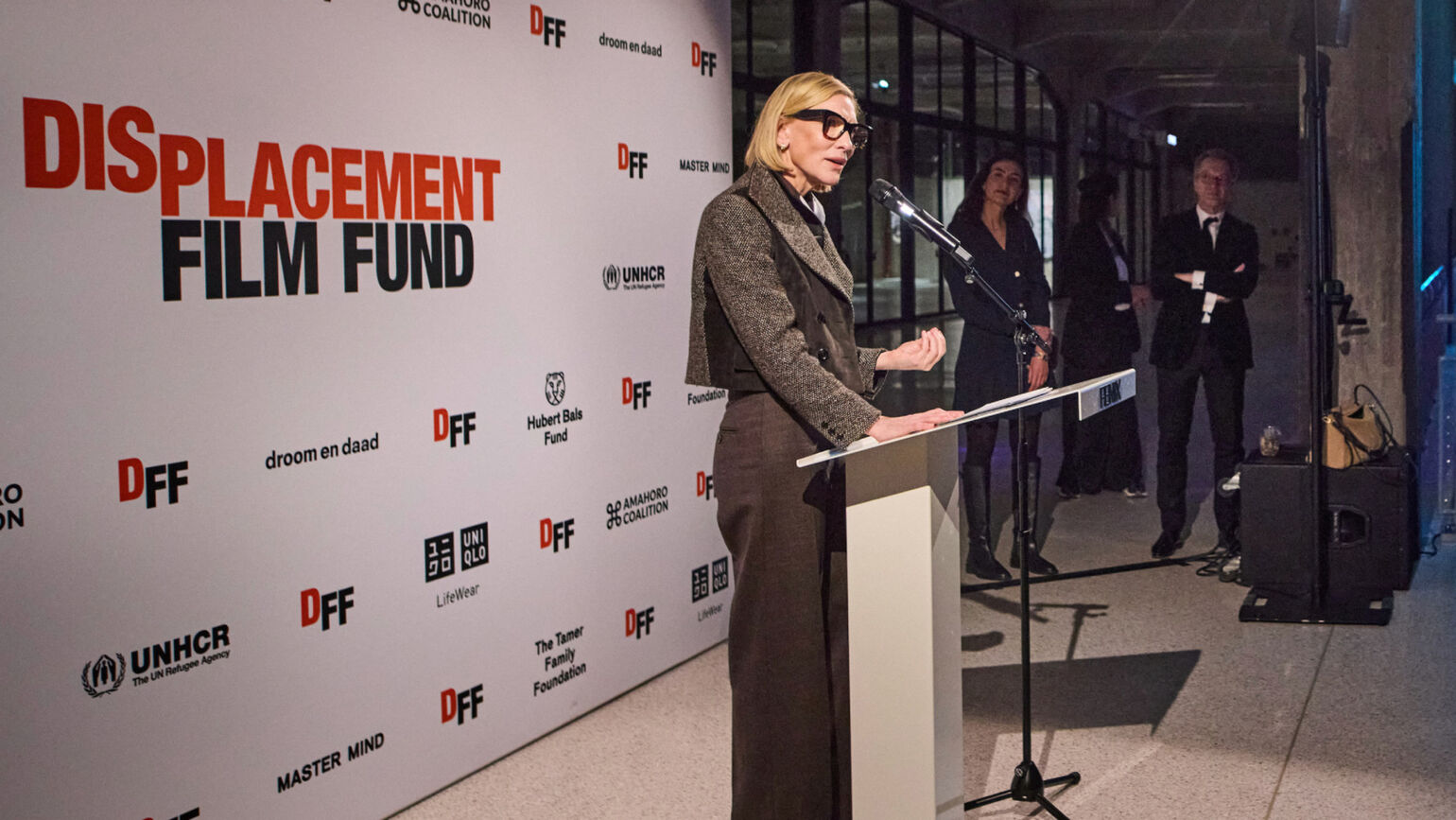
In closing, Blanchett, who helped bring the Displacement Film Fund to life, warned of danger of 'being displaced from our own humanity'. Cinema, she said 'allows us to reconnect'.
An evening marked by laughter and tears, by taut tension and moments of warmth, drew to a close amid sustained applause. That sound was not only a tribute to the films themselves, but to those who continue to make them under difficult circumstances, carrying with it the sense that these works will travel farther, reaching the world beyond.
![An image of Cate Blanchett standing at a podium and giving a speech on a stage with activity logos lined up in the background.]()
UNIQLO has decided to contribute an additional €100,000 this year toward the second cycle of the Displacement Film Fund. The company will continue supporting the initiative in order to help amplify the voices of refugees around the world through the power of cinema.
About the Displacement Film Fund
The Displacement Film Fund (DFF) is established to champion and fund the work of displaced filmmakers, or filmmakers with a proven track record in creating authentic storytelling on the experiences of displaced people. The pilot short film funding scheme was launched at IFFR 2025 by UNHCR Goodwill Ambassador Cate Blanchett with support from Master Mind, UNIQLO, Droom en Daad, the Tamer Family Foundation and Amahoro Coalition as Founding Partners, the Hubert Bals Fund as Management Partner and UNHCR, the UN Refugee Agency, as Strategic Partner. At the 55th International Film Festival Rotterdam, DFF announced a new Major Partner in Aarti Lohia and the SP Lohia Foundation, who pledged their support for DFF following the success of the pilot year.
Please read more about the DFF
On January 30th 2026, five short films supported by the Displacement Film Fund (DFF) had their world premieres at International Film Festival Rotterdam (IFFR), in a city that once served as a principal departure point for migrants bound for North America. The fund was established to champion filmmakers who have been displaced, or whose work engages directly with displacement, responding with urgency to a deepening global crisis and ensuring that these stories reach a wider public. This premiere marked the fund’s first public presentation. UNIQLO contributed €100,000 to the initiative as a founding partner.
A few hours before the screening, a press conference was held at Fenix, a museum devoted to migration. On stage were Cate Blanchett, UNHCR Goodwill Ambassador; Clare Stewart, Managing Director of IFFR; Tamara Tatishvili, Director of the Hubert Bals Fund (HBF); and the five supported filmmakers: Mohammad Rasoulof, Maryna Er Gorbach, Mo Harawe, Hasan Kattan and Shahrbanoo Sadat.
From the late 19th to the early 20th century, Rotterdam was one of Europe’s main gateways to North America. In the decades after the Second World War, it also became a city of arrival; today, more than half its population is said to have migrant roots. Blanchett noted the resonance of presenting a fund devoted to "displacement” in a city shaped by migration. 'It couldn’t be a better place to be premiering these films', she said. 'There’s such a synergistic coming together here in Rotterdam. To say it’s been a passion project is a massive understatement'. She recalled that the fund was first announced at the end of 2023, during UNHCR’s Global Refugee Forum. A year later, five films had already reached the stage of a world premiere. The initiative, she noted, has now entered its second cycle.
'And when you think about it, it’s like being a woman ― the experience of being female is not monolithic. The experience of being displaced is not monolithic either. There are commonalities and themes that emerge, but they’re wildly different. Each film is so distinct and comes from the inner being of these filmmakers. But when you see them together, as a cohort, I was so alive to the different points of view. Because I think we’re quite unmoored from truth at the moment in the world. And of course truth is made up of many different perspectives. The actual form that this evening has taken is very much alive to those different perspectives'.
Stewart emphasised the fund’s responsiveness, noting that its rapid structure allowed filmmakers to concentrate on production within a short timeframe. Tatishvili described the core of the initiative in a single word: solidarity.
Five Filmmakers, Five Forms of Displacement
Before the screenings, the opening ceremony featured Amanda Gorman reading her poem What We Carry. 'We walk into tomorrow, carrying nothing but the world', she concluded.
The first film was Rotation by the Ukrainian director Maryna Er Gorbach, a portrait of a young woman conscripted into military service during wartime. At the press conference, Er Gorbach reflected on returning to Ukraine for the shoot and confronting the reality that war reshapes not only daily life, but the very conditions of filmmaking itself.
'I wanted to talk about the displacement of normality that we are experiencing in Ukraine, how ordinary life is gradually being displaced. It is not something extraordinary. I’m sure it could happen in any country', she said. When she returned to Ukraine, she realised that even production conditions had been transformed by war. 'We could not guarantee safety in the usual way. We had to find whatever conditions were possible and adapt', she noted. She explained that she found herself drawn to those who had not chosen this path, who were forced to leave civilian life for military service.
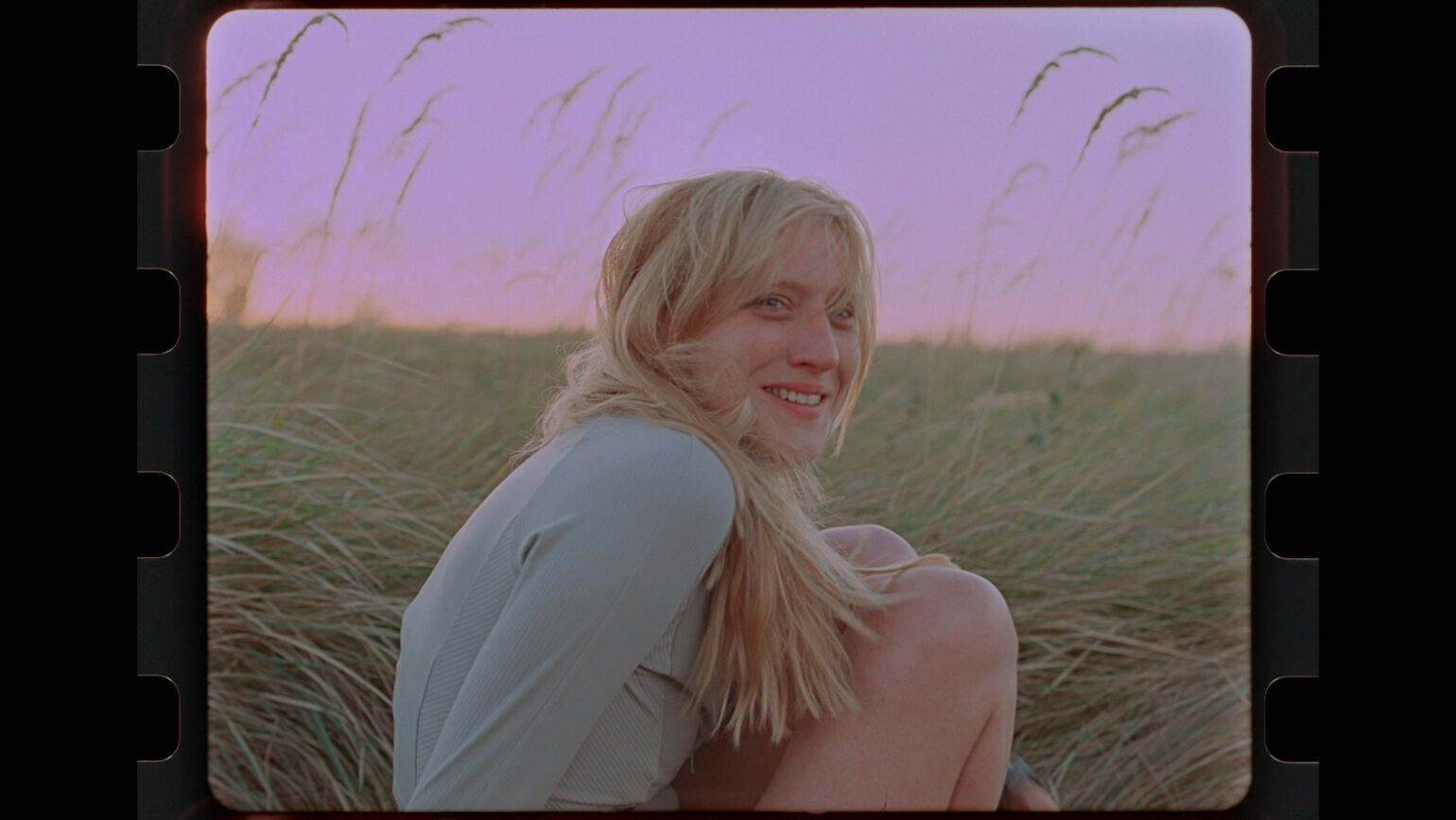
Rotation
Shahrbanoo Sadat’s Super Afghan Gym, a social comedy set in a shuttered Kabul gym open to women only briefly each day, draws on her own experiences. The film illuminates women who strive, lightly yet defiantly, to live as themselves within harsh social constraints.
'I felt that I didn’t belong anywhere, not in Iran, not in Afghanistan, not even after moving to Germany. Making films, teaching myself how to do it, was really a kind of therapy for me. It helped me to find my voice and myself. I eventually realised that all these identities ― Iranian, African, foreigner, "the other", displaced person ― are labels imposed on me from the outside. From the inside, I am the same person'.
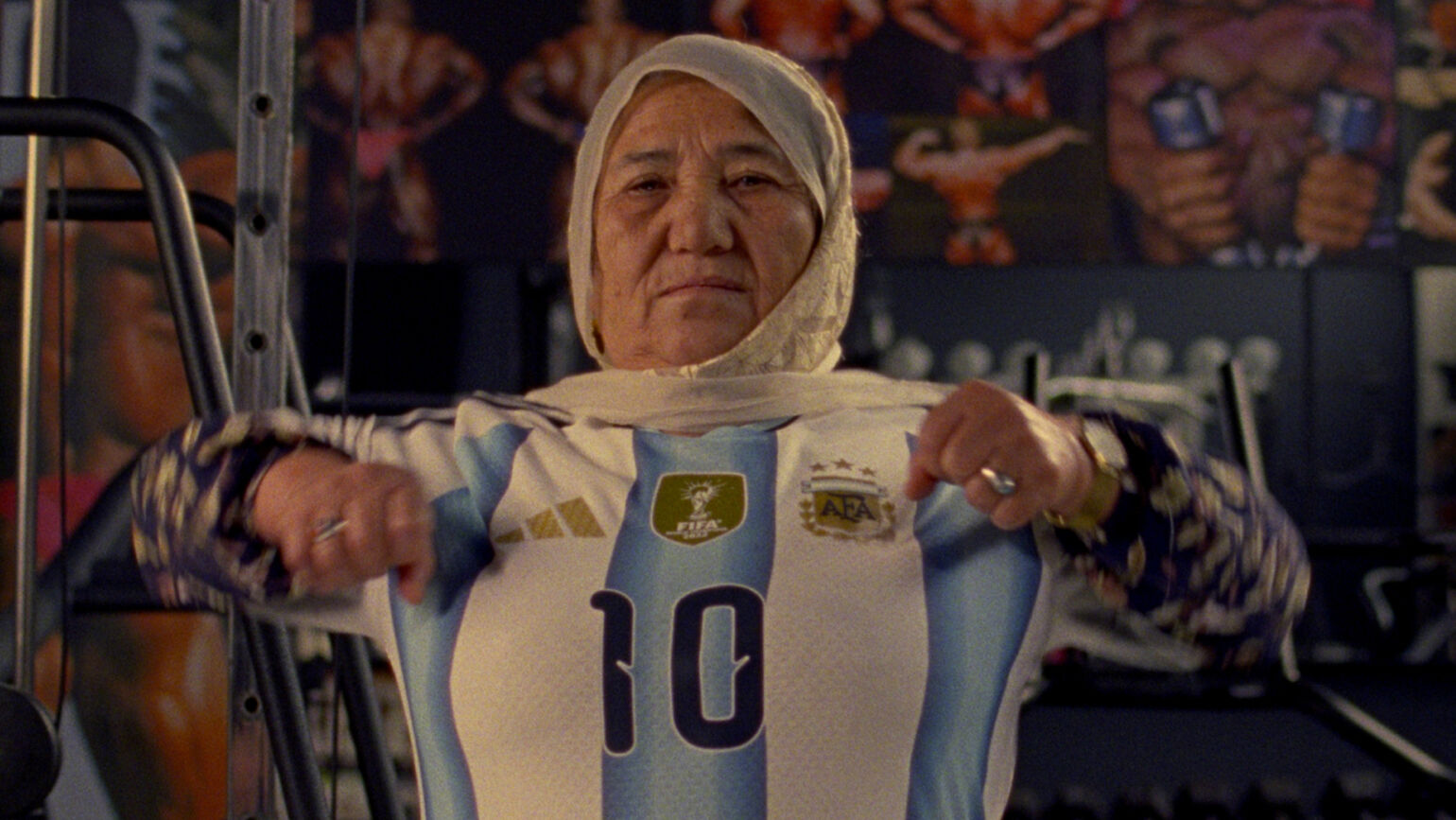
Super Afghan Gym
Allies in Exile, directed by Syrian filmmaker Hasan Kattan, is a documentary that follows Kattan and his longtime friend Fadi Al-Halabi as they navigate the bureaucratic labyrinth of the asylum process, after 14 years of documenting Syria’s conflict together.
'Every second, every frame is a memory, something inherited from home', Kattan said. On his journey from Syria to Turkey and eventually to London, when reality became unbearable, he found himself returning to those archives. 'When you lose your home, you try to recreate it in another form', he continued. 'Making this film was, for me, a process of healing'.
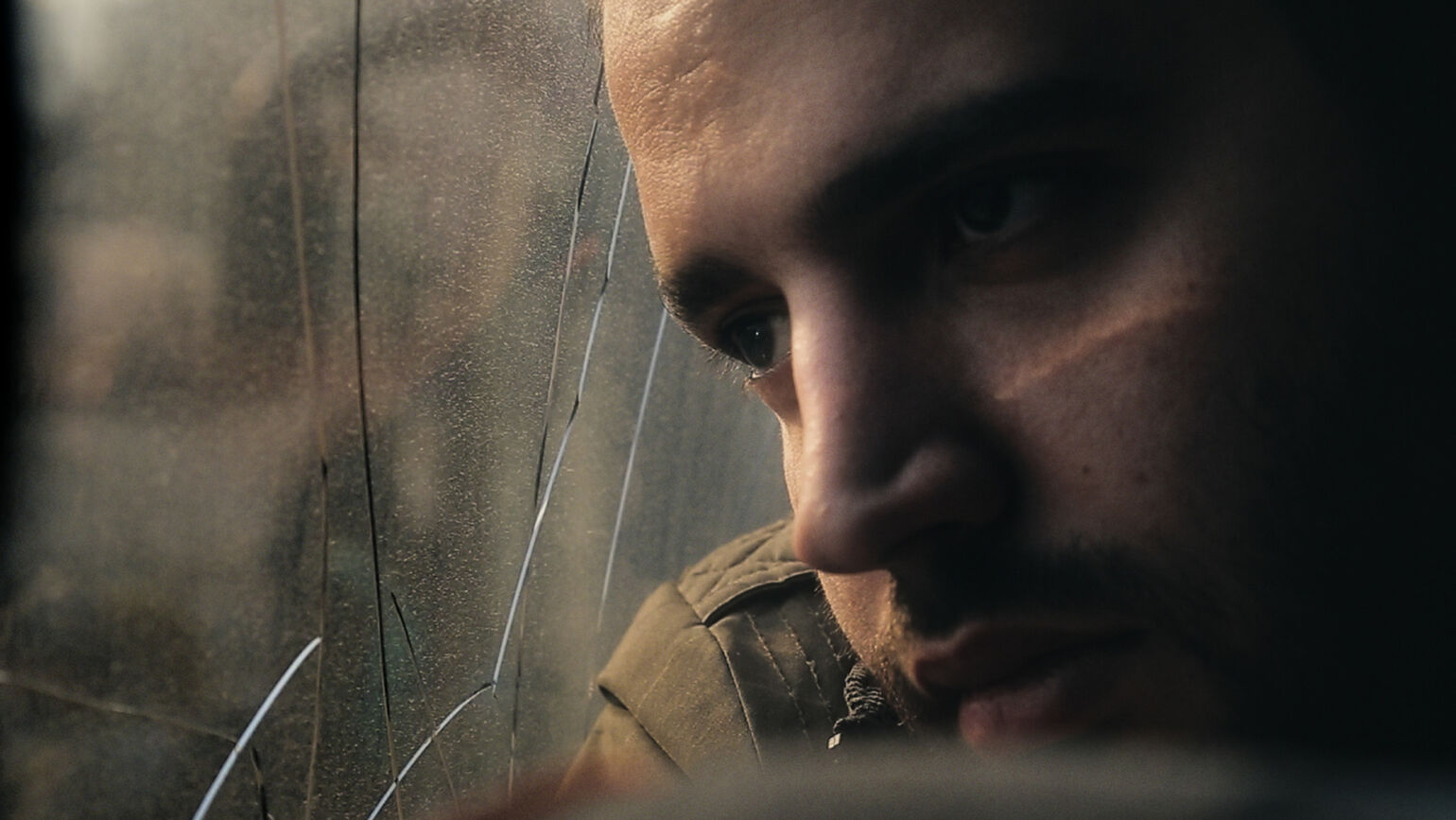
Allies in Exile
Mo Harawe’s Whispers of a Burning Scent, from Somalia, approaches displacement obliquely. The film follows a keyboard player at a wedding in Mogadishu who is brought to court, accused of marrying a 75-year-old woman with dementia in order to sell her property.
'It doesn’t necessarily have to be directly about displacement. What matters is how you tell the experiences and the feelings you carry as someone who has lived through it. Displacement has different states, different phases. For me, what really meant the most was not only making the film, but having the chance to work with a team in Somalia, where the filmmaking infrastructure is still very limited'.
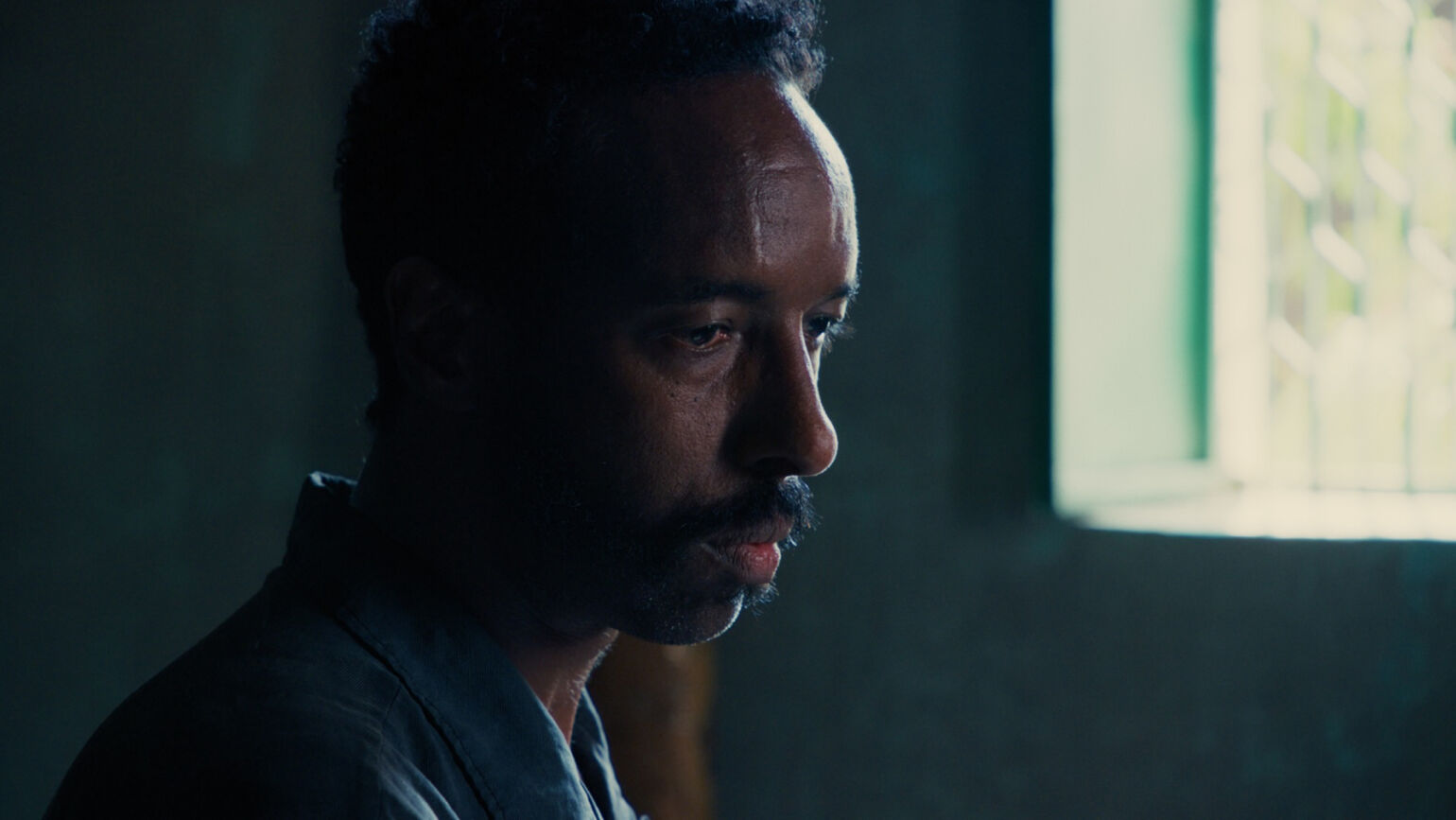
Whispers of a Burning Scent
To Hold On to Our Humanity
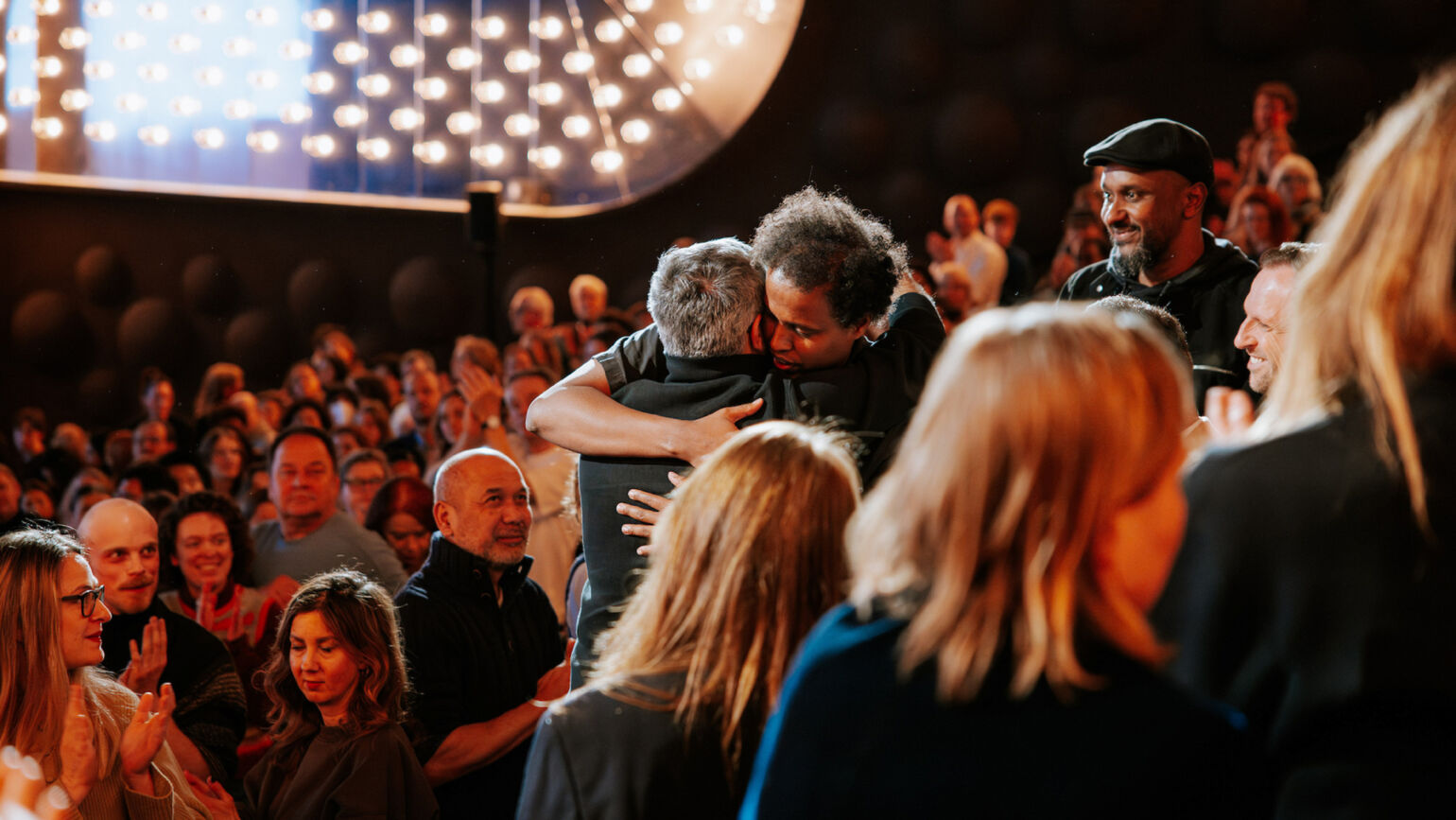
When the screening concluded, the sold-out Oude Luxor Theatre rose in a warm standing ovation. The atmosphere was charged with a sense of connection between the films and the realities unfolding beyond the screen. During the Q&A, with Blanchett and Stewart joining the filmmakers onstage, the directors―many encountering one another’s work for the first time―spoke with a visible sense of solidarity.
'I’ve always been a very hopeful person', Mohammad Rasoulof said. 'I’ve always advised others to find a creative outlet for their pain, to transmute their pain into art. But now I have a profound feeling of absurdity and meaninglessness'.
Delivered in a calm, measured tone, the remark brought a sudden hush over the room. Rasoulof, who was born in Iran, expressed regret over the Iranian government’s violent repression of protest. The evening’s finale was his short film Sense of Water, a work that probes the distance between language and sensation.
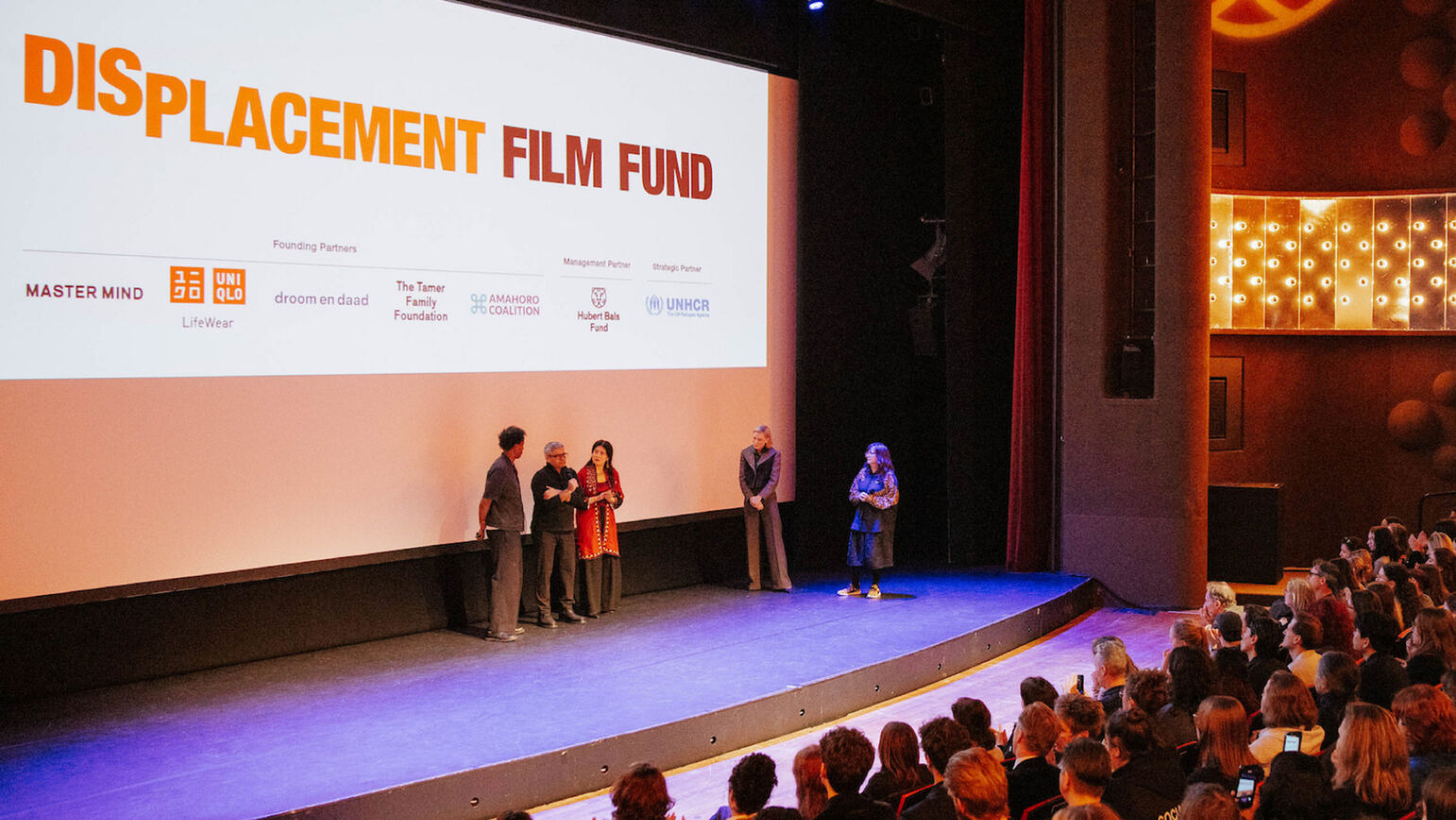
After secretly completing The Seed of the Sacred Fig, Rasoulof fled Iran a year and a half ago―crossing mountains over land and leaving the country illegally―before eventually settling in Germany. Leaving Iran for Europe had felt like stepping into uncharted territory. 'It was an open question for me―how it would be to work, to make a film as a filmmaker in exile in a new culture that I did not know very well'. He wondered whether it was even possible to connect his past and his culture to what he called 'the split seconds I was living in'―the present―and still tell a story that could resonate with audiences anywhere in the world. He also addressed what he described as the myth that when an artist leaves their homeland, they can no longer create meaningful work. 'I wanted to break that', he said, telling the audience that making Sense of Water freed him from the fear of creating outside Iran.
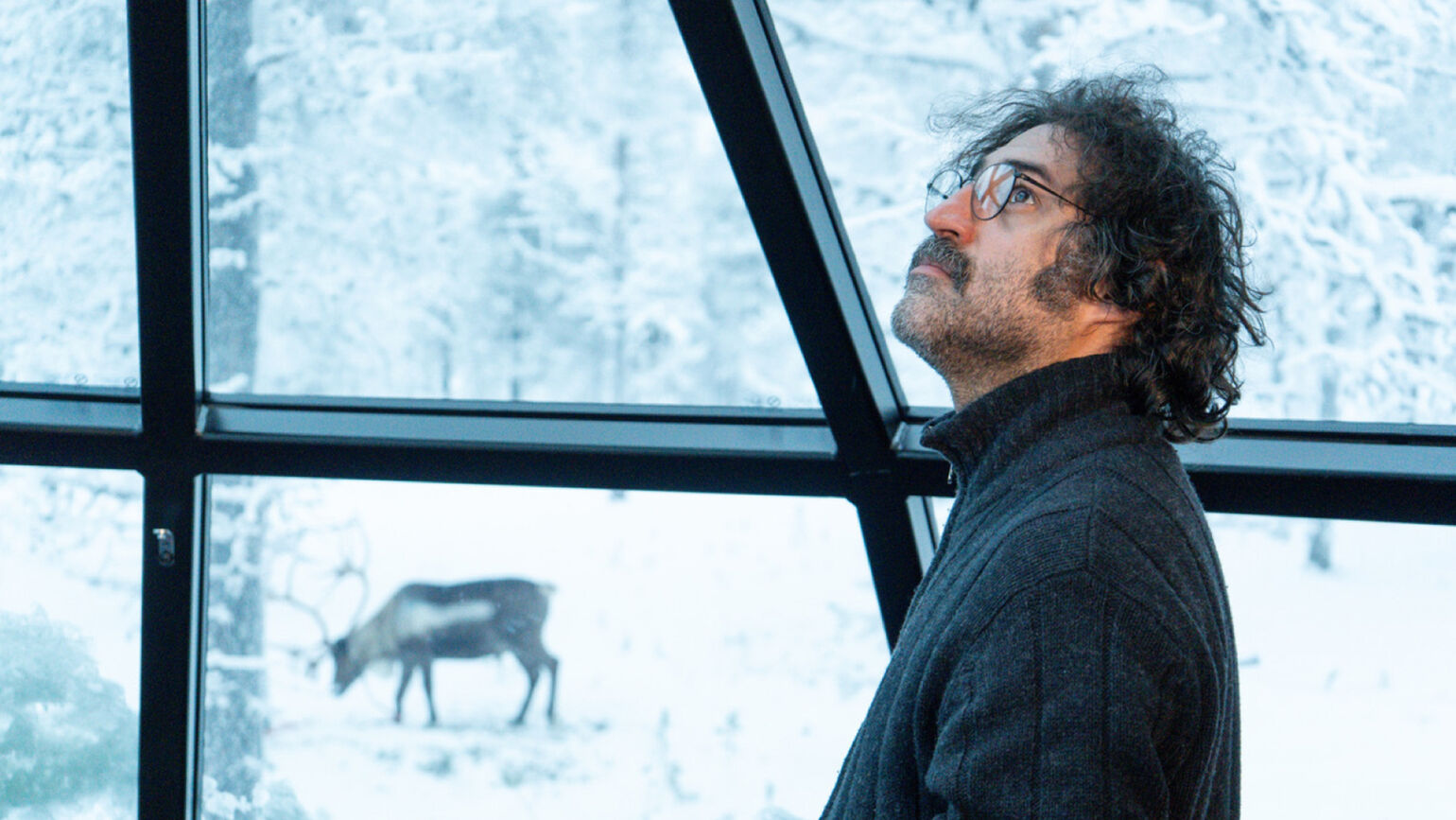
Whispers of a Burning Scent
In closing, Blanchett, who helped bring the Displacement Film Fund to life, warned of danger of 'being displaced from our own humanity'. Cinema, she said 'allows us to reconnect'.
An evening marked by laughter and tears, by taut tension and moments of warmth, drew to a close amid sustained applause. That sound was not only a tribute to the films themselves, but to those who continue to make them under difficult circumstances, carrying with it the sense that these works will travel farther, reaching the world beyond.
UNIQLO has decided to contribute an additional €100,000 this year toward the second cycle of the Displacement Film Fund. The company will continue supporting the initiative in order to help amplify the voices of refugees around the world through the power of cinema.
About the Displacement Film Fund
The Displacement Film Fund (DFF) is established to champion and fund the work of displaced filmmakers, or filmmakers with a proven track record in creating authentic storytelling on the experiences of displaced people. The pilot short film funding scheme was launched at IFFR 2025 by UNHCR Goodwill Ambassador Cate Blanchett with support from Master Mind, UNIQLO, Droom en Daad, the Tamer Family Foundation and Amahoro Coalition as Founding Partners, the Hubert Bals Fund as Management Partner and UNHCR, the UN Refugee Agency, as Strategic Partner. At the 55th International Film Festival Rotterdam, DFF announced a new Major Partner in Aarti Lohia and the SP Lohia Foundation, who pledged their support for DFF following the success of the pilot year.
Please read more about the DFF
TOP