

Slip Back in Time to the Edo Period with Sumo Wrestling
Wrestling as a Cultural Tradition: Slip Back in Time to the Edo Period with Sumo Wrestling
“Grand Sumo is a Japanese cultural tradition that has continued since the Edo period(1603–1868). If amateur Sumo is considered a sport that incorporates elements of traditional culture, then Grand Sumo is a cultural tradition that incorporates elements of sport. At the Kokugikan, you’ll encounter fan services tailored to the Reiwa era (2019–present): you can try Chanko stew, meet the Oyakata (head coaches) who man the shops, and win Grand Sumo goods at the crane games. But once you step inside the arena, you’re transported back to the Edo period.” Unlike baseball or soccer stadiums where there are large screens, the Sumo arena is an analog space filled with only the sounds of Rikishi (Sumo wrestlers) colliding, the voices of the Yobidashi (ring announcers), the Gyōji (referees), and the cheers of the spectators. Its impressiveness remains unchanged since the Edo period. Grand Sumo is an accessible way to experience Edo-era traditional culture that can be seen live.Do you know the purpose of Shikiri?
Before a match begins, there are various rituals that the Rikishi must perform. One such ritual is Shikiri, which is repeatedly performed before the Tachiai (the initial charge at the beginning of a match). It is a kind of routine that allows the wrestler's breathing to sync up. It is also rooted in tradition dating back to the Edo period.“The action performed during the Shikiri, where the Rikishi place their fists on the ground, then rub their hands together, and spread both arms out, is called Chirichōzu. It is a remnant of the days when Sumo took place outdoors, when wrestlers would pull grass from the ground, purify their hands with the dew, and spread both arms to show that they have no weapons– a sign that they plan to fight fair and square.”
Other rituals also have underlying purposes. The Shiko, which involves raising each leg high in the air and stomping the ground, is meant to stomp out evil spirits from the earth. The salt that is thrown around the ring during the Shikiri, and the Chikara-mizu (water with which wrestlers rinse their mouths before the tachiai), are used for purification. These rituals resemble the customs observed when visiting a shrine because Sumo has its origins as a Shinto ritual performed to pray for a bountiful harvest. A wrestler’s every move is meant as an offering to the gods.”
Handwritten to this day! Secrets of the Banzuke-hyō
The Banzuke-hyō, which appears among UT’s WAGARA motifs, is a chart listing the rankings of the Sumo wrestlers that is announced for each tournamentーa document said to be so sacred that wrestlers dare not step over it. “It is the job of the Gyōji to write the Banzuke-hyō. It is written in a unique style of lettering called Sumō-ji, which consists of thick, crowded characters. Characters are written this way with the hope that the audience will crowd the arena.” Banzuke-hyō lists not only the names of the Rikishi but also those of the Gyōji, Yobidashi, Toshiyori (executives of the Sumo Association and Oyakata), and Tokoyama (the Rikishi’s hairdresser). In general, the bigger the name, the more important the person.“The names of the Tategyōji (the two highest-ranked gyōji), Kimura Shonosuke and Shikimori Inosuke, are written in very large characters. In fact, we call them Oyakata because they are that important. The largest characters on the Banzuke-hyō are the ones that read Gomen-kōmuru. The phrase, which is a way of asking permission, is a remnant from the Edo period, when the Tokugawa Shogunate only allowed the predecessor to the Japan Sumo Association to hold Sumo events. In fact, during tournaments, a sign with this phrase written on it by the Gyōji is displayed near the main gate of the Kokugikan. Please take a look when you visit.”
Event Highlights
The highlight of Grand Sumo is, of course, the serious matches between the wrestlers. It is overwhelming to see the power and speed of top-ranking makuuchi wrestlers, averaging over 180 centimeters tall and 160 kilograms, fighting in a 4.55-meter-diameter ring. What should you pay attention to when watching a match? “The interesting thing about Grand Sumo is that the larger wrestlers don’t always win. Unlike the weight classes of judo or boxing, Sumo is openweight, allowing smaller Rikishi to wield their techniques against the power of bigger, muscular Rikishi. A fun way for intermediate-level fans to engage in Sumo is to learn about the special techniques of each Rikishi. For example, the former Yokozuna Terunofuji’s winning move is Migi-yotsu (to have one’s right hand under the opponent’s left arm), Hidari Uwate (to use one’s left hand to grasp the opponent’s belt over their arm). The arena will often fill with excitement when spectators recognize the moment he gets into this position.”While the audience will cheer loudly during the match, they will be silent during the initial tachiai. It is one of the great pleasures of watching Sumo when the arena becomes completely quiet.
How to choose your favorite Rikishi
While the most important aspect of Sumo is the wrestling itself, you can also choose a favorite wrestler to cheer on at the Kokugikan. There are some Sumo fans who take this approach.“How about finding a Rikishi from your hometown? In Grand Sumo, a wrestler’s stable and hometown are announced along with their Shikona (Rikishi name). For example, Mitakeumi is from Agematsu-cho in Nagano, and fans from the town come to cheer him on. It seems that nostalgia for one’s hometown is alive in Grand Sumo. You could also cheer on a Rikishi whose face you like, or a strong Rikishi, or a small Rikishi.”
Among the current wrestlers as of February 28 2025, Yamato, a Sandanme (fourth-highest-division) wrestler, is often described as “handsome” in the media, and Midorifuji, who is known for his Katasukashi move, is small for a Rikishi at 174 centimeters tall, but has performed well in the Makuuchi (the top division in which the top ranks of Rikishi compete). Perhaps mixing Reiwa-era fan culture with traditional Sumo culture, which has continued since the Edo period, will create even more excitement in the arena.
The Kokugikan: a Grand Sumo wonderland
In Grand Sumo, six 15-day tournaments, called Honbasho, are held each year. Among these, the January, May, and September events take place at the Kokugikan in Tokyo, where Edo-era traditions still remain.“On the day before the opening of the tournament, a ceremony called the dohyō matsuri is held to welcome the gods to the ring. This event is free and open to the public. The ring itself is made by the Yobidashi over the course of three days before the tournament. It is completely handmade, without the use of machines. They rely only on their sight to make the ring level. A kind of drumming called Yosedaiko can be heard in the morning during tournaments at the Kokugikan, which is also a seasonal tradition.”
Yakitori is a must-have snack when watching Sumo. The chicken skewers sold at the Kokugikan aren’t provided by outside vendors, they’re actually made in a special kitchen in the basement of the arena. Kokugikan is truly a Grand Sumo wonderland.
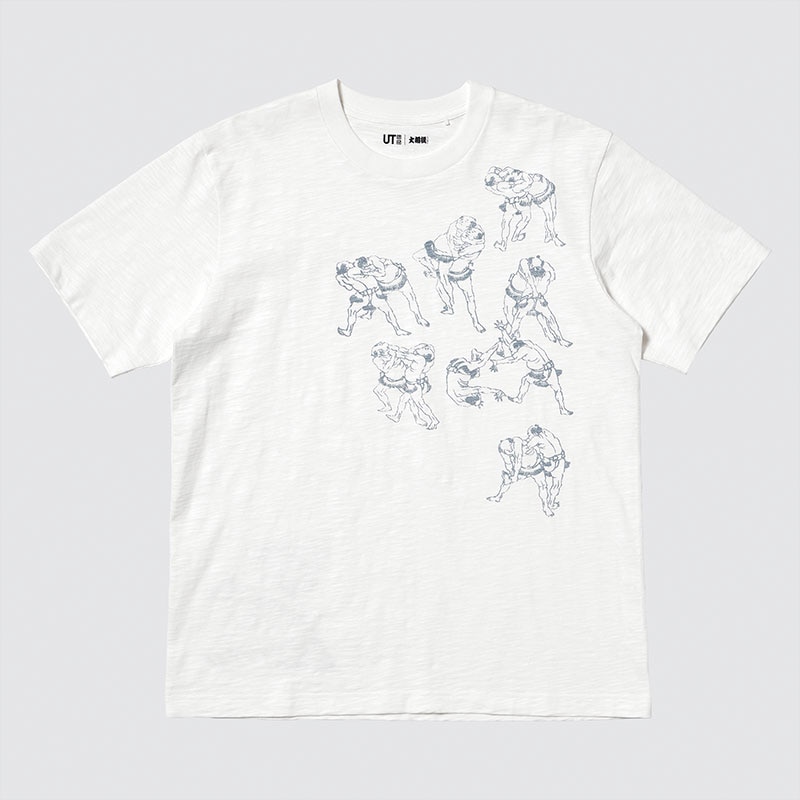
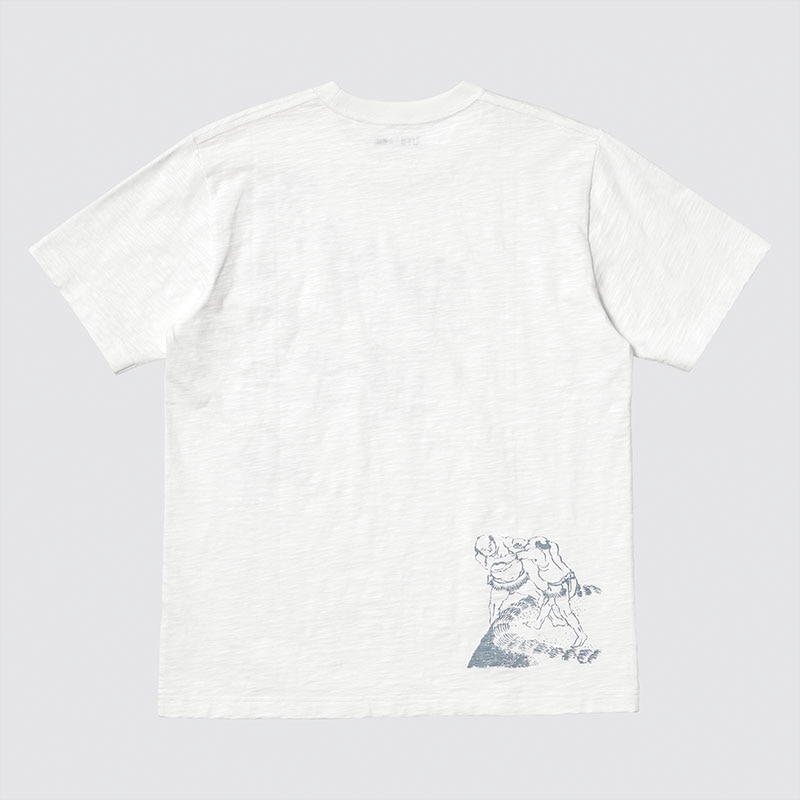
Illustrations of kimarite (winning move) and waza (techniques) from the Edo period“. Although they differ from techniques used today, they are similar to some modern kimarite and waza such as okuritsuridashi, nodowa, and ottsuke.”
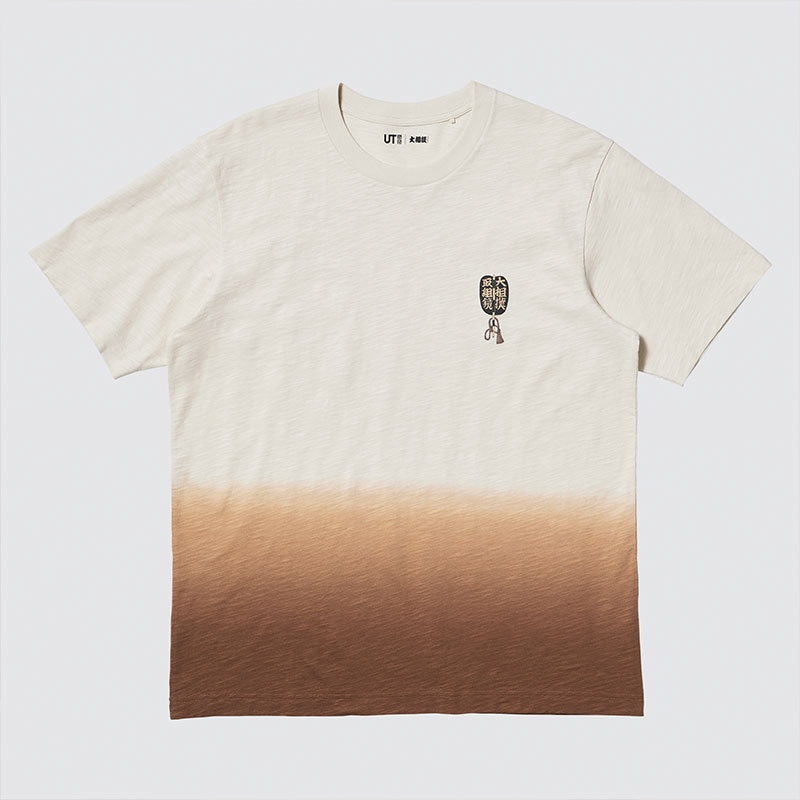
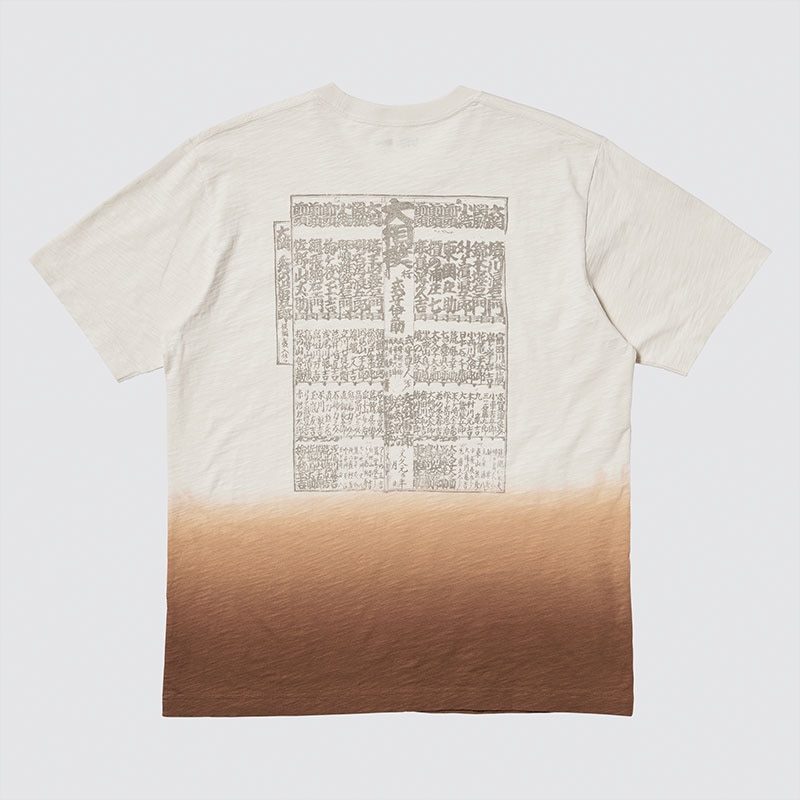
The banzuke-hyō, an important document for sumo wrestlers“. Now there are more wrestlers and detailed ranks, but just as in the Edo period, the ranking chart is still handwritten by the gyōji (referees).”
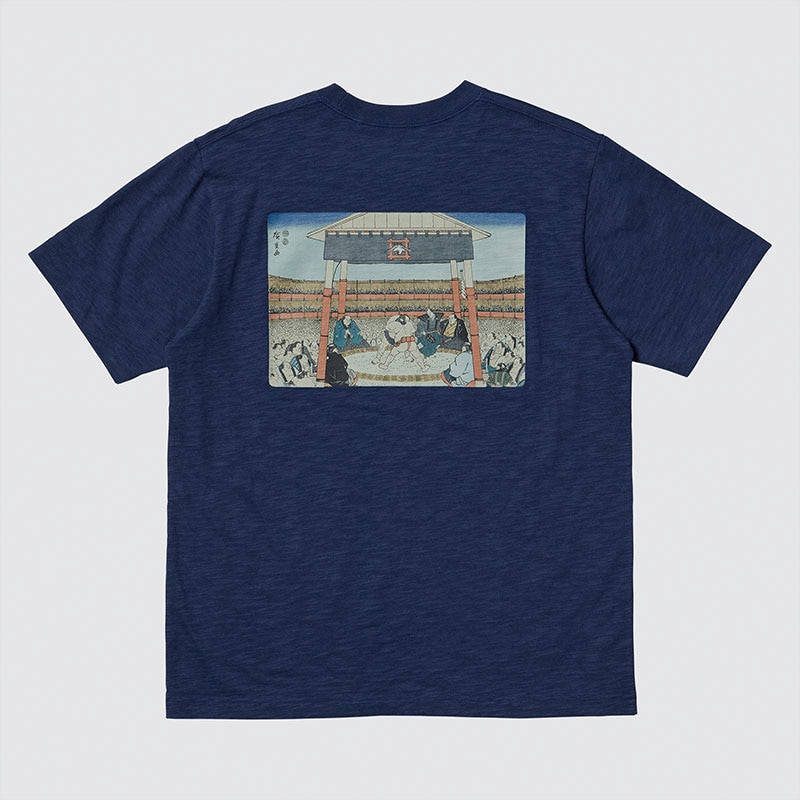
Sumo in the Precincts of the Ekoin, Ryogoku, in the Eastern Capital, an ukiyo-e print by Hiroshige Utagawa.
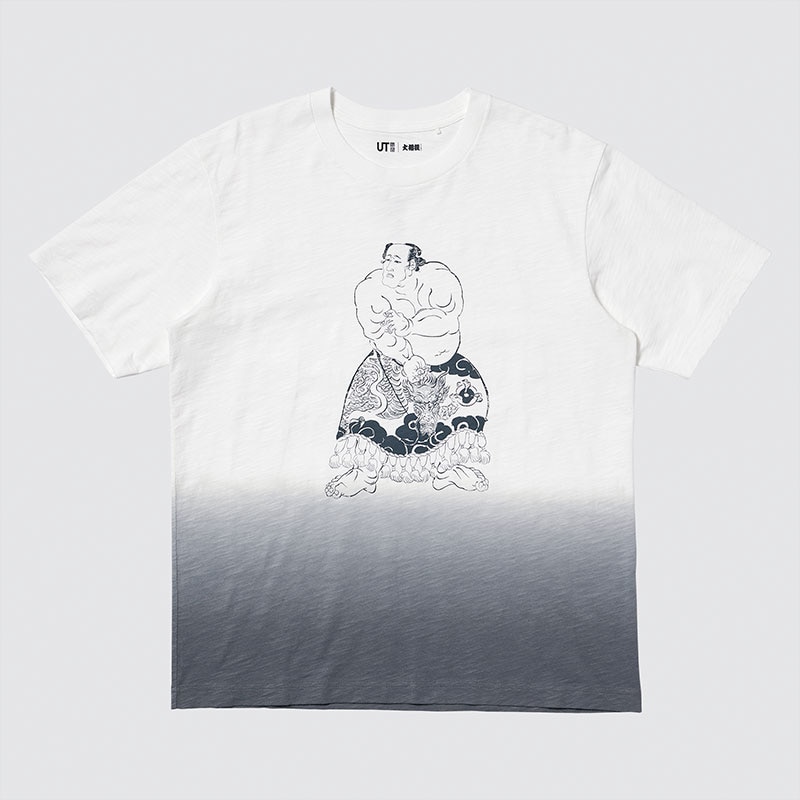
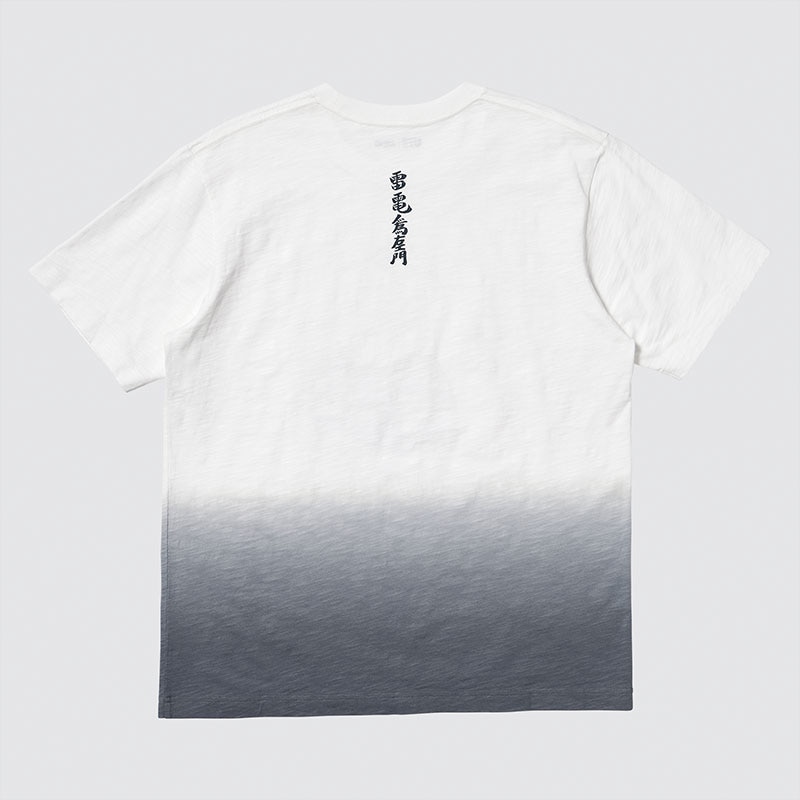
The legendary Raiden Tameemon was known as a peerless sumo wrestler during the Edo period“. I was once allowed to wear Raiden Tameemon’s haori(jacket), which is in the collection of the Sumo Museum. I remember it was very big and heavy.”
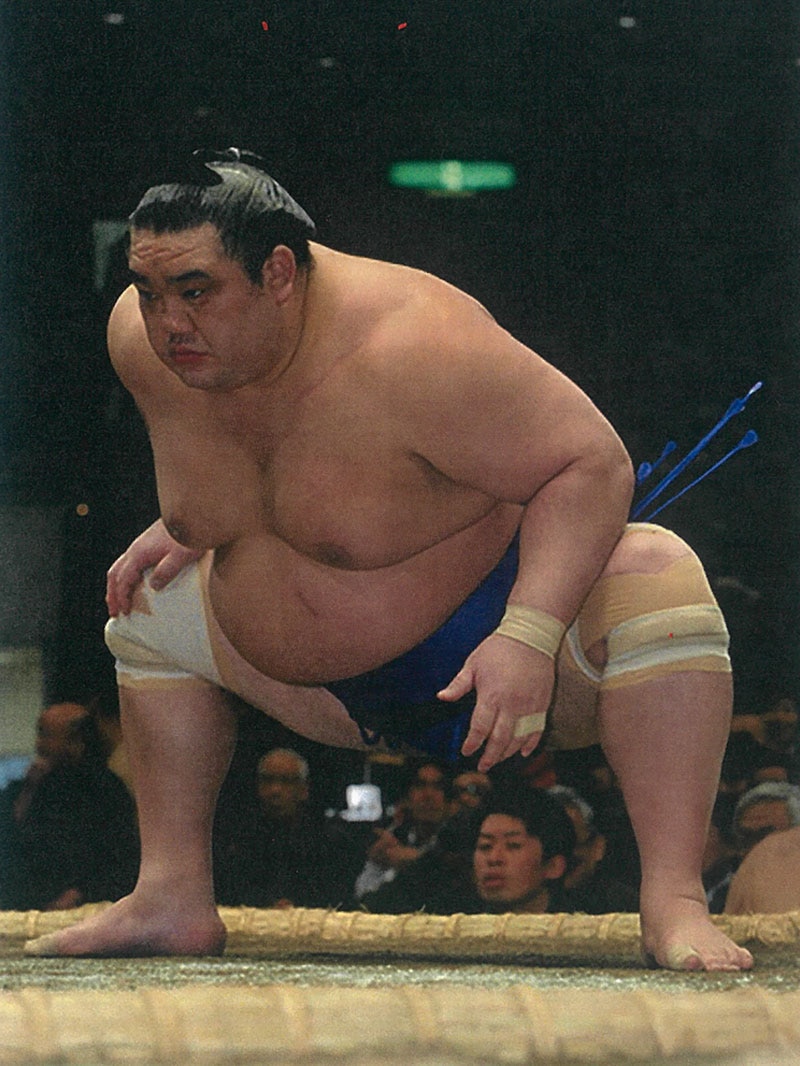
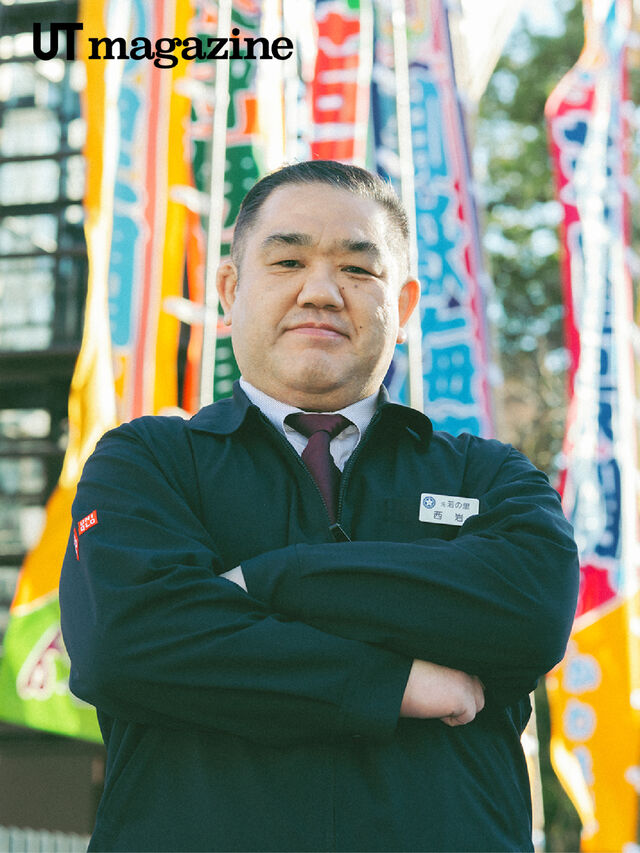
Former sekiwake Wakanosato. He was known during his career as the“strongest sekiwake in history,”and despite an unfortunate series of injuries, he is a legendary rikishi (sumo wrestler), placing 7th in the all-time rankings (as of February 28, 2025) with 914 wins in total. While serving in the public relations department of the Japan Sumo Association, he is currently also hard at work training future yokozuna (the highest rank of sumo wrestlers) as the oyakata (head coach) of the Nishiiwa stable. He was born in 1976 in Hirosaki City, Aomori Prefecture. His favorite technique is hidari-yotsu yori.
All items