


Masterpieces from Weekly Shonen Jump and Weekly Young Jump
Mar 11, 2026
UT
View items
EDITORS TALK:
BEHIND THE MANGA
How Weekly Shonen Jump and Weekly Young Jump Create Hit MANGA
Discovering New Talent and Reader-First Philosophy: The Keys to Innovation
Q. What are the differences and unique characteristics of Weekly Shonen Jump (hereafter "Jump") and Weekly Young Jump (hereafter "Young Jump")?
Yu Saito (hereafter "Saito"): Of course there's a dif ference in readership between shonen and seinen magazines, but fundamentally, we share the s ame goal of showing readers something new. For example, when GANTZ was serialized in Young Jump, I was a reader at the time, and I remember being shocked—thinking 'an incredible MANGA has begun!' Even looking at it now, I still feel it's innovative. Ultimately, I think MANGA exists in a world where newness is constantly demanded, so the pursuit of innovation is common to both magazines.
Yoshikazu Masuzawa (hereafter "Masuzawa"): To add to that—and this is a well-known story—Jump launched about 10 years after Weekly Shonen Magazine (published by Kodansha) and Weekly Shonen Sunday (published by Shogakukan), making it a latecomer among weekly shonen magazines. Because of this, ar tists who were already serializing elsewhere were reluctant to work with Jump, so we had no choice but to discover new talent. So, it's not that we deliberately adopted a "new talent first" philosophy from the start—it was born out of necessity, and that became our path to success. In contrast, Young Jump launched before Young Magazine (Weekly Young Magazine / Kodansha) and Young Sunday (Weekly Young Sunday / Shogakukan). I think we were also inspired by the emergence of other young adult MANGA magazines, but the reality was that readers who had been boys were grow ing up and becoming adults, and shonen MANGA alone wasn't satisfying them anymore. They wanted to stretch a bit further, seeking more stimulating content involving love, sexuality, and violence. I believe the magazine was born from pursuing innovation to meet the expectations of this maturing readership.
Q. How have Jump and Young Jump evolved over time?
Saito: While times have cer tainly changed since our founding, the core purpose—whether working with established or new artists—remains the same: gaining popularity and meeting reader expectations. Of course, artists have various motivations for creating, but what seems common among successful creators is their dedication to being read by audiences. Therefore, our emphasis on creating new works with new artists hasn't really changed since our founding, and we have no intention of changing it going forward.
Q. What's the secret to continuously publishing fresh work?
Masuzawa: The other principle that always goes hand-in hand with“discovering new talent” is what we call “survey supremacy.” When I was doing informational interviews before joining the company, a senior editor told me that it didn't matter if you had a hit-making superstar—if the reader survey numbers were bad, the series would be axed immediately. But honestly, since I hadn't joined specifically to work in MANGA, I didn't really internalize what that meant. It wasn't until I was actually assigned to the MANGA editorial department that his words really sank in. For example, even af ter year s of prepar ation, when a series finally launches and personally I'm thinking 'this is where it really begins,' if the reader survey results or first-volume sales are poor, it immediately becomes a candidate for cancellation. In other words, whether readers are enjoying it is everything. That's precisely why we're able to constantly cycle in new work—the moment something ends, something fresh immediately takes its place."
Forged by Two: How Artist and Editor Create Magic
Q. What's the secret to finding new talent?
Saito: For example, some editors prioritize dialogue while others focus on artwork, so we leave it to the individual editor's judgment. When an editor who's actually working with an artist on the ground believes they've found real talent, we trust that instinct. There's no formal selection criteria—our editorial philosophy is simple: trust the people on the front lines.
Masuzawa: In our serialization meetings, we review three chapters of story boards before making a decision. The editor-in-chief makes the final call on whether to greenlight a series, but once it passes that gate, only the assigned editor knows what's happening week to week. As Saito mentioned, there's trust in the frontlines, but there's also a practical reality—if the editor-inchief tried to review every storyboard before publication, we'd never hit our deadlines. It's physically impossible. We do check for language issues and typos after the manuscript comes in, but when it comes to story and art, everything moves forward with a single “OK” from the assigned editor. And conversely, if that editor says “No,”it goes back for revisions. In extreme cases, you have a teenage debut artist and a newly graduated editor, just the two of them, batting ideas back and for th — and that 's what ends up in Jump or Young Jump. Whether a series succeeds or fails, whether it continues or gets dancelled — it all comes down to those two people in that room. The responsibility is enormous, but there's also a freedom and excitement in having no outside interference. Their passion goes straight onto the page and into the magazine. There's really no other entertainment medium quite like it.
Saito: The editor working directly with the artist knows the work best, so we trust their judgment. Think about films or animes—depending on the project, you might have hundreds or even thousands of people involved. But with MANGA, it's just the artist and their editor, and what those two create together can go straight to the public. That means the rough edges stay int act—the sharp, unfiltered individuality reaches readers exactly as intended. That's MANGA's real power. The more hands touch a creative work, the more it tends to get smoothed out, homogenized. With us, if the artist and an editor believe in some thing — no matter how unconventional or polarizing—we can publish it. That's our greatest advantage. Even as the industry evolves, keeping that individual creative vision front and center is essential to producing original work. If we want MANGA to compete with other forms of entertainment, we have to protect that system.
Tapestry of Styles: The Diverse Artists of One Magazine
Q. The first UT collaboration features works from various genres spanning from the 1970s to the present. What are your thoughts looking back at these works?
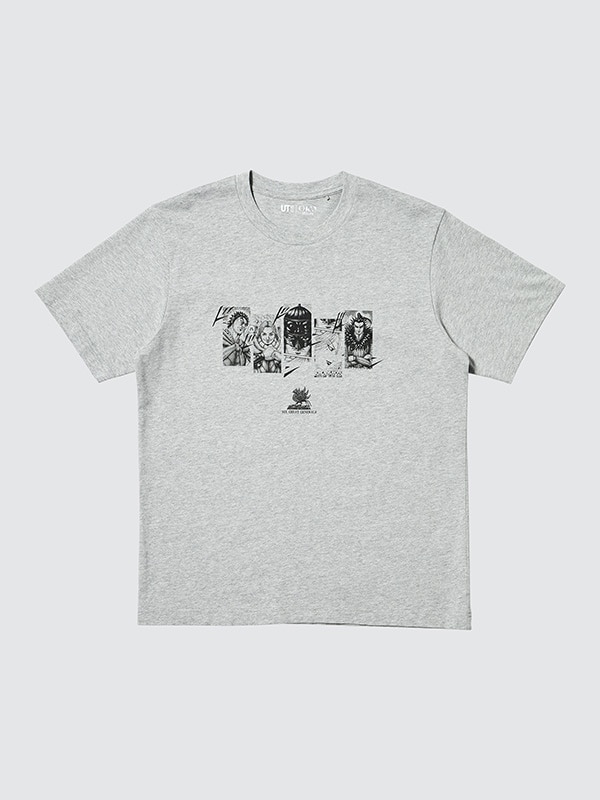
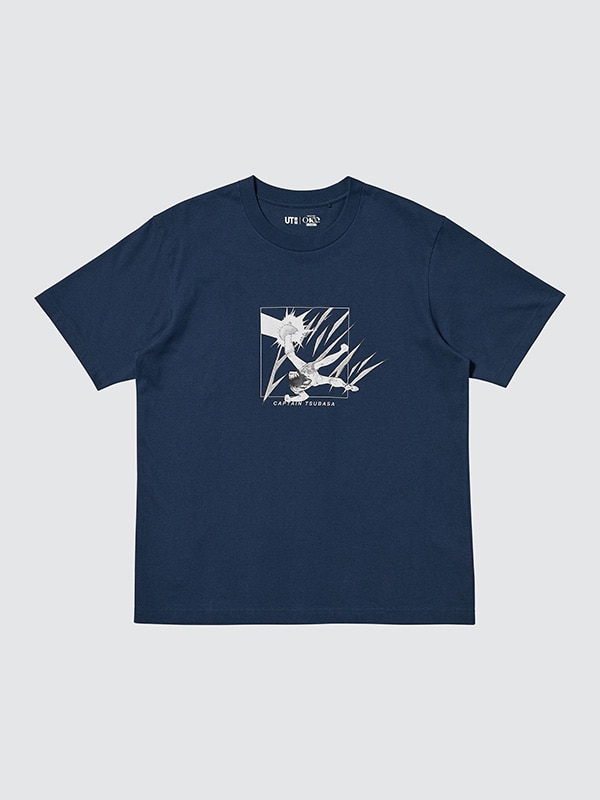
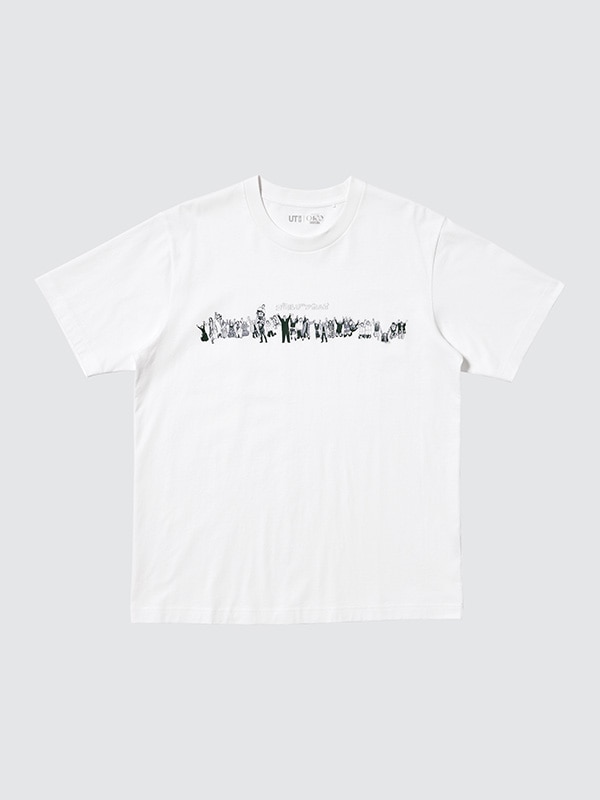
Masuzawa: For example, Kochikame, Kinnikuman, Captain Tsubasa, and Saint Seiya all ran simultaneously in Jump, literally competing in the weekly reader surveys. In Young Jump too, GANTZ and Kingdom, and then Golden Kamuy began right as it replaced GANTZ—these works competed for popularity while creating the magazine's history. Looking at these T-shir ts lined up together from that perspective really gets me fired up.
Saito: The variety in art styles is so diverse, you'd really wonder if these all came from the same magazine. Jump will celebrate its 60th anniversary in 2028, and as an editor, when I reread something like Kochikame, I'm blown away by Osamu Akimoto's artistic skill and the power of his lines. As a reader, I wasn't very conscious of it, but the perspective of 'the appeal of line work' is something I discovered after becoming an editor. In Jump, where flashy battle manga tends to dominate, Kochikame never lost out in terms of artistic power either.
The Unique Power of MANGA: Born from Time and Ink
Q. What makes original MANGA compelling compared to anime?
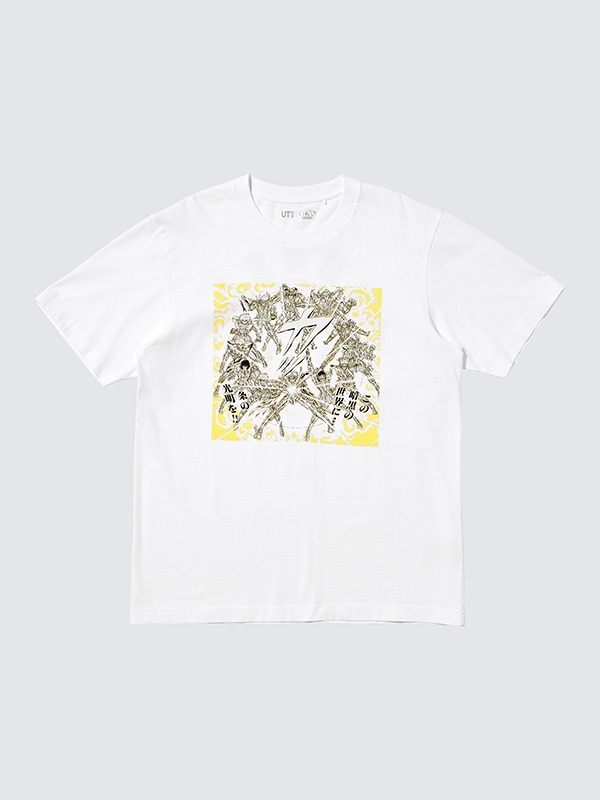
Saito: Most anime is in color, but MANGA creates through the contrast of black and white—it's a medium that must compete with color while working in monochrome. A while back, people said Japanese MANGA wouldn't spread globally because it was black and white, but I don't think that's true at all. For example, looking at the graphics in Saint Seiya, Masami Kurumada's screentone work is incredible. He's expressing golden armor with tone, and back then, everything was analog handwork applying tone, scraping it, adding white—all by hand. With digital, you can undo mistakes with a button, but analog was one-shot, so you can feel the artist's tension. I think all MANGA from the '70s and '80s was like that, so you can sense that era's atmosphere from the T-shirts.
Masuzawa: Of course, MANGA is a commercial product, but unlike anime created by many hands, each single page drawn by a MANGA artist is truly a work of art by that individual artist.
Q. What should we look for in original MANGA artwork?
Saito: When you print on paper, even with the mos t advanced printing technology, the lines and tonest inevitably blur a bit. So the original artwork is actually far crisper and more stunning than what people see in magazines or collected volumes— it's genuinely eye-opening. And with weekly magazines, producing 20 pages every week is incredibly demanding, but I think there's something uniquely appealing that emerges precisely because of those time constraints. You can feel the door die momentum, the speed, the raw energy of work created under that pressure. That's what gives weekly MANGA its distinctive power. If these T-shirts can introduce people to the brilliance of the original artwork, that would make me really happy.
*Screentone work: The process of applying, cutting, or scraping film-type screentone printed with fine patterns to express shadows, texture, depth, and perspective.
Yu Saito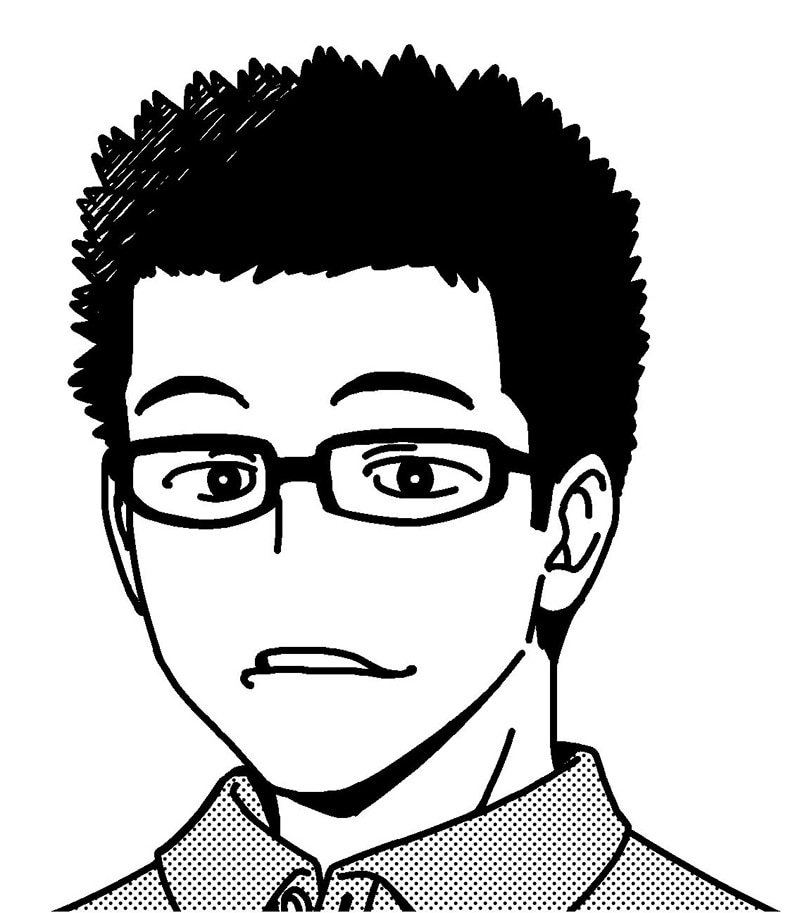 llustration by Daisuke Ashihara
Born in 1982, joined Shueisha in 2005. After working in the Weekly Shonen Jump editorial department and Character Business division, he became editorin-chief of Weekly Shonen Jump in June 2024. His career highlights include Eyeshield 21, Gintama, Kuroko's Basketball,HUNTER×HUNTER, Nisekoi, and World Trigger.
llustration by Daisuke Ashihara
Born in 1982, joined Shueisha in 2005. After working in the Weekly Shonen Jump editorial department and Character Business division, he became editorin-chief of Weekly Shonen Jump in June 2024. His career highlights include Eyeshield 21, Gintama, Kuroko's Basketball,HUNTER×HUNTER, Nisekoi, and World Trigger.
Yoshikazu Masuzawa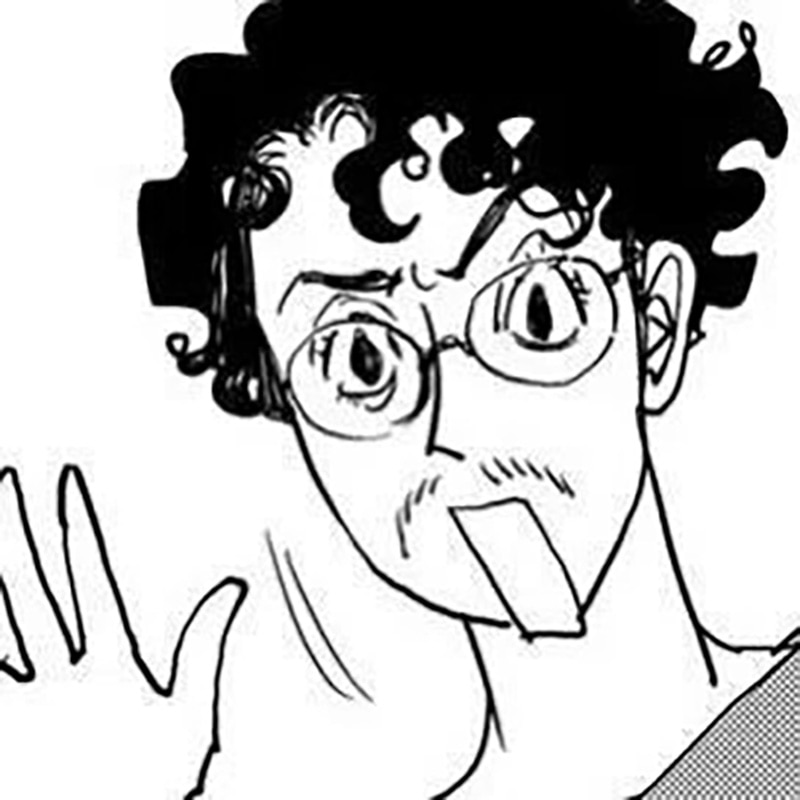 llustration by Kazumi Yamashito
Joined Shueisha in 1997 and has been dedicated to the young adult MANGA editorial department ever since. After serving as deputy editor-in-chief of Weekly Young Jump and Grand Jump, he became editor-in-chief of Grand Jump in 2017. Since 2021, he has served as editor-in-chief of Weekly Young Jump and concurrently holds the position of deputy head of the 4th Editorial Department (Young Adult Manga Group). His editorial credits include works by Hiroshi Motomiya, Norifusa Mita, Tomoko Ninomiya, Akiko Higashimura, Kazumi Yamashita, Koji Kojikura, Noboru Takahashi, and Tetsuya Tsutsui, among others.
llustration by Kazumi Yamashito
Joined Shueisha in 1997 and has been dedicated to the young adult MANGA editorial department ever since. After serving as deputy editor-in-chief of Weekly Young Jump and Grand Jump, he became editor-in-chief of Grand Jump in 2017. Since 2021, he has served as editor-in-chief of Weekly Young Jump and concurrently holds the position of deputy head of the 4th Editorial Department (Young Adult Manga Group). His editorial credits include works by Hiroshi Motomiya, Norifusa Mita, Tomoko Ninomiya, Akiko Higashimura, Kazumi Yamashita, Koji Kojikura, Noboru Takahashi, and Tetsuya Tsutsui, among others.
NOW AND THENMANGA T-SHIRTS CHRONICLE
Curated Selection by Era
2000s-2010s-
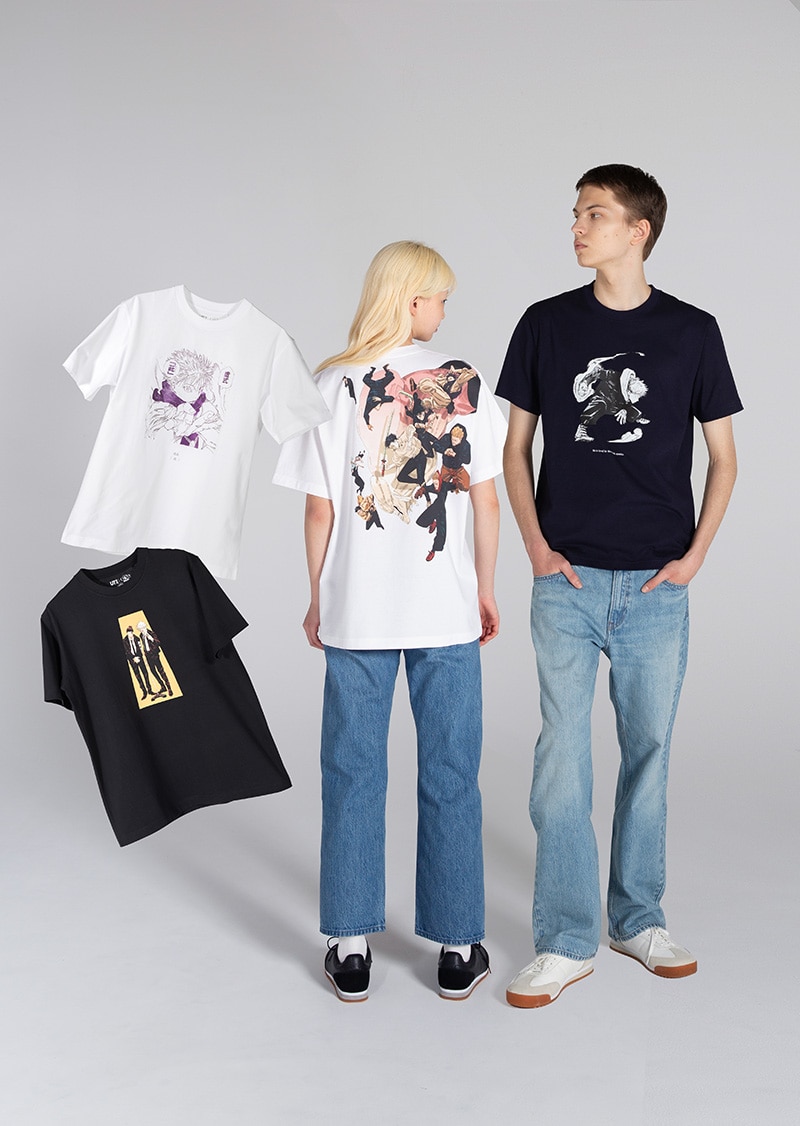
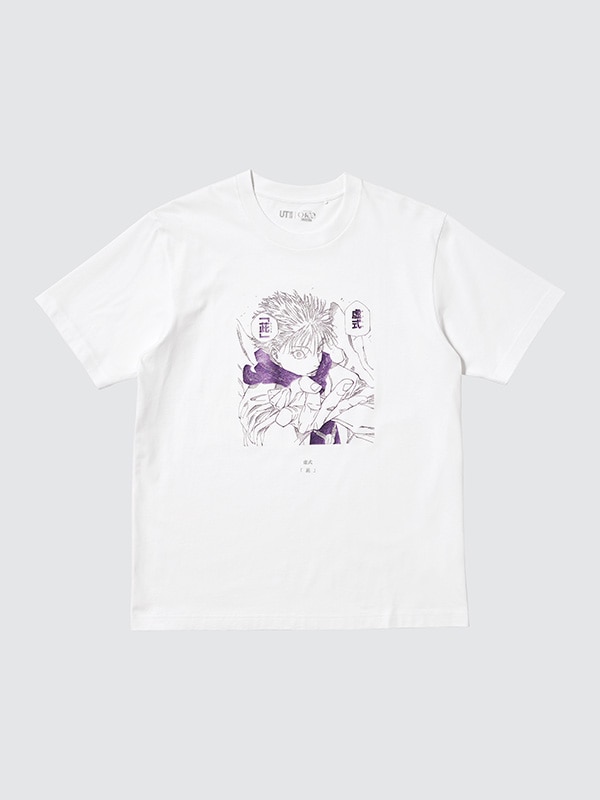
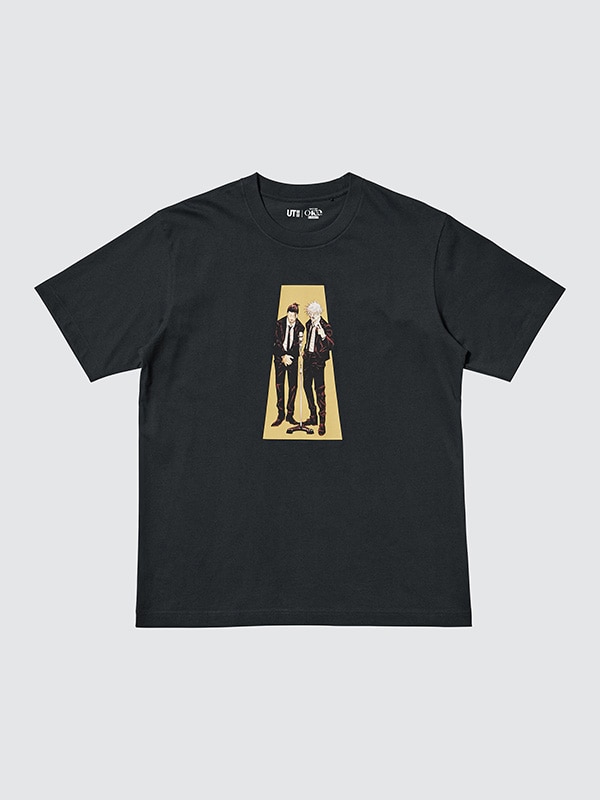
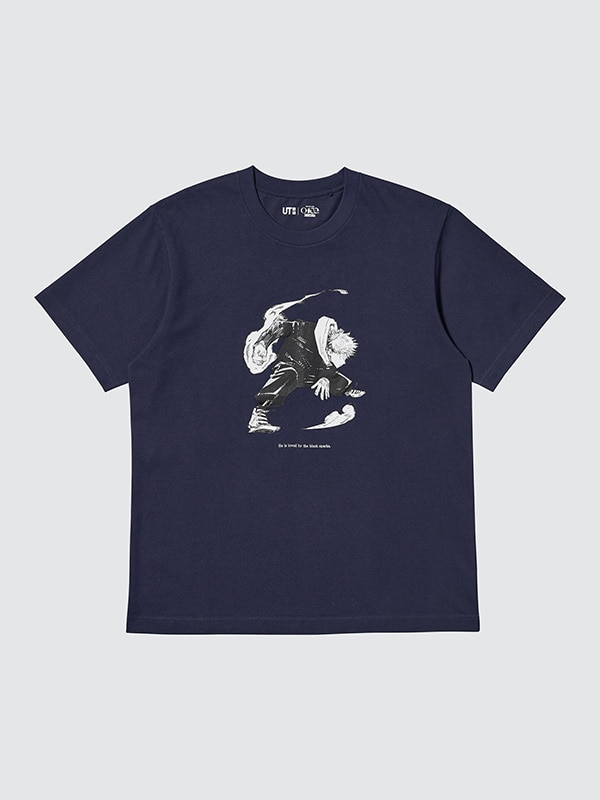
Jujutsu Kaisen
(Weekly Shonen Jump 2018–2024)
Gege Akutami
Curses. Bitterness, regret, humiliation... These ominous powers born from humanity's negative emotions lead people to death. When the seal on a powerful "cursed object" is broken, high school student Yuji Itadori enrolls at Tokyo Jujutsu High School, which trains jujutsu sorcerers who exorcise cursed spirits, and plunges into battle against curses alongside his classmates. A new frontier in dark fantasy battle from the singular talent Gege Akutami. With its breathless pacing and skillful story structure oscillating between despair and hope, it captured widespread attention. Adapted into a TV anime in 2020, followed by a blockbuster theatrical release in 2021, sparking a massive cultural phenomenon. The third season of the TV anime Jujutsu Kaisen: The Culling Game Arc Part 1 begins airing in January 2026.
©Gege Akutami/SHUEISHA
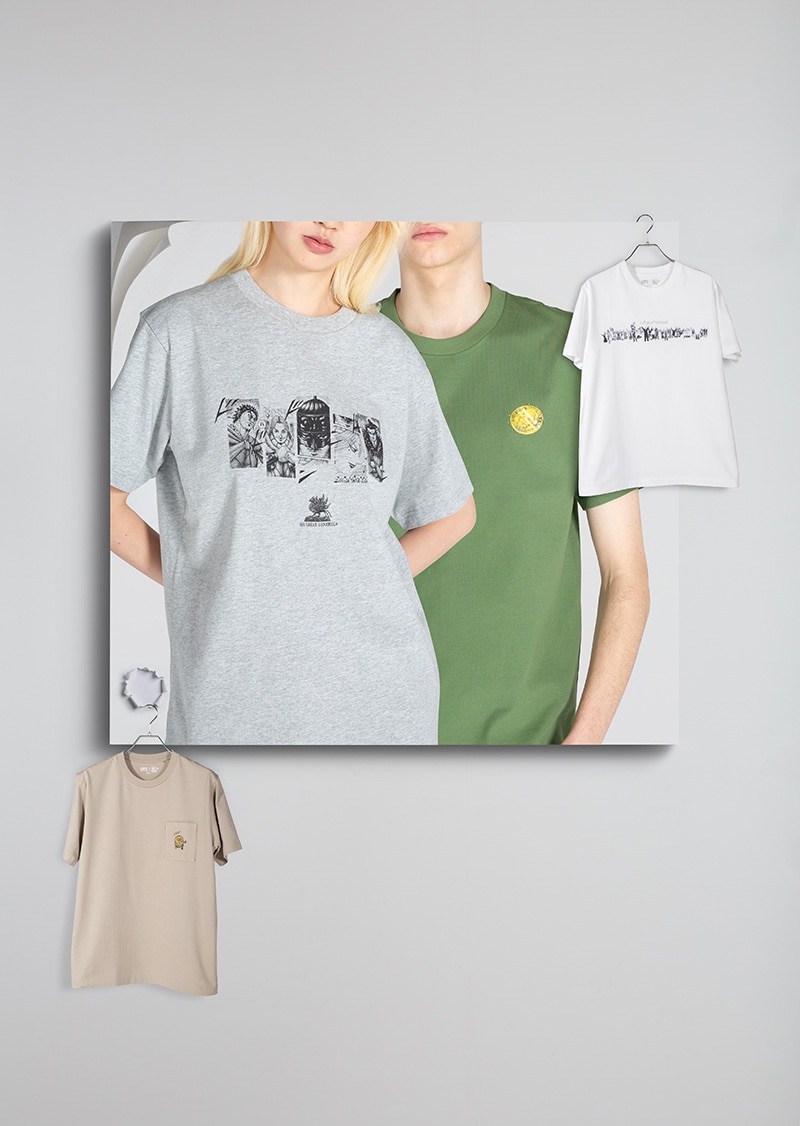
Golden Kamuy
(Weekly Young Jump 2014–2022)
Satoru Noda
Saichi Sugimoto, a former soldier famed as "Immortal Sugimoto" for his demon-like exploits in the Russo-Japanese War, seeks a fortune for a certain purpose and ventures into Hokkaido, once swept up in a gold rush. There, he discovers clues to a massive Ainu treasure!? Standing in his way are the overwhelming forces of nature, vicious death-row inmates, and the mightiest military units. Along the way, he encounters an Ainu girl named Asirpa. This survival battle for gold, set in late Meiji-era Hokkaido and Sakhalin, features adventure, history, culture, and hunting cuisine. Following its TV anime adaptation, live-action drama series, and theatrical anime preview, the final chapter of the TV anime begins in January 2026, with the second live-action film scheduled for this March.
©Satoru Noda/SHUEISHA
Kingdom
(Weekly Young Jump 2006–)
Yasuhisa Hara
Set in China's Spring and Autumn and Warring States period around 250 BCE. In this era of warfare spanning over 500 years, there was a young king aiming to unify China and a slave aspiring to become a great general. The dreams these two boys envisioned sweep up the fates of seven kingdoms and the lives of over 300 characters, extending toward a magnificent future no one yet knows. This blockbuster historical epic depicts the most ambitious war in history: the unification of China. Serialization began in Young Jump in January 2006, celebrating its 20th anniversary in January 2026. Winner of the 17th Tezuka Osamu Cultural Prize Manga Grand Prize in 2013. The TV anime has aired through its sixth series, with the fifth liveaction film scheduled for summer 2026.
©Yasuhisa Hara/SHUEISHA
1990s-2000s
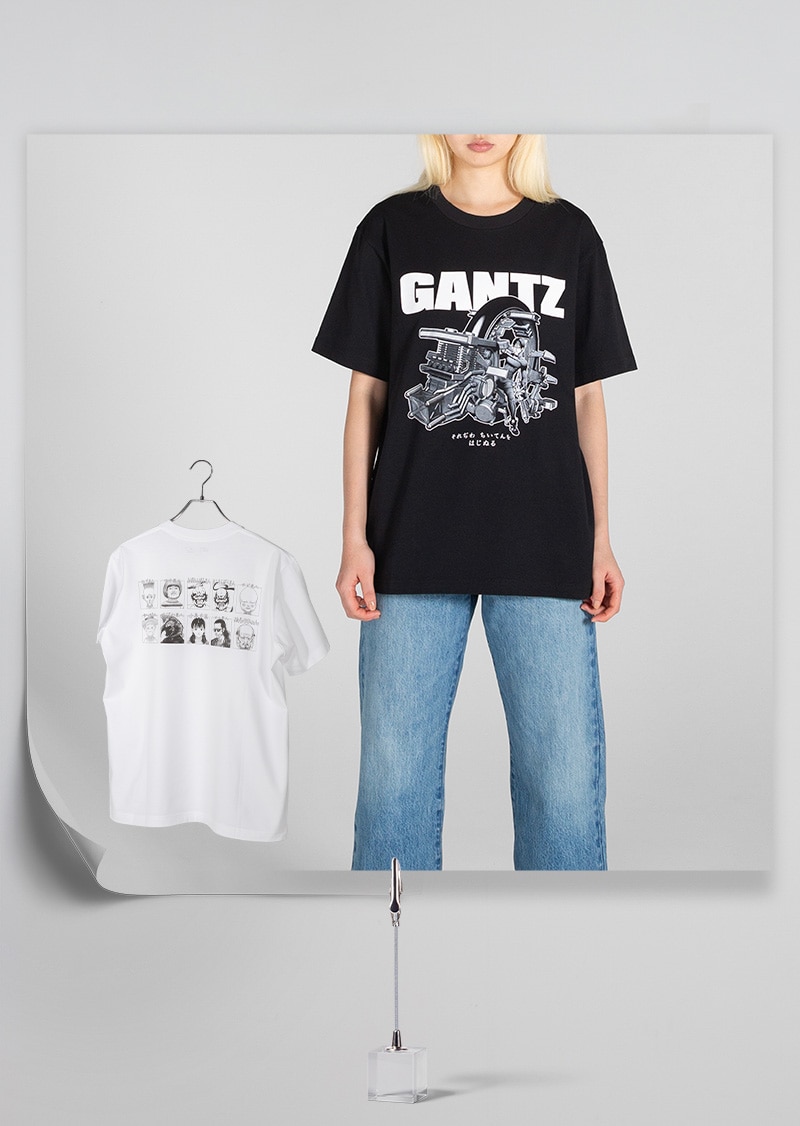
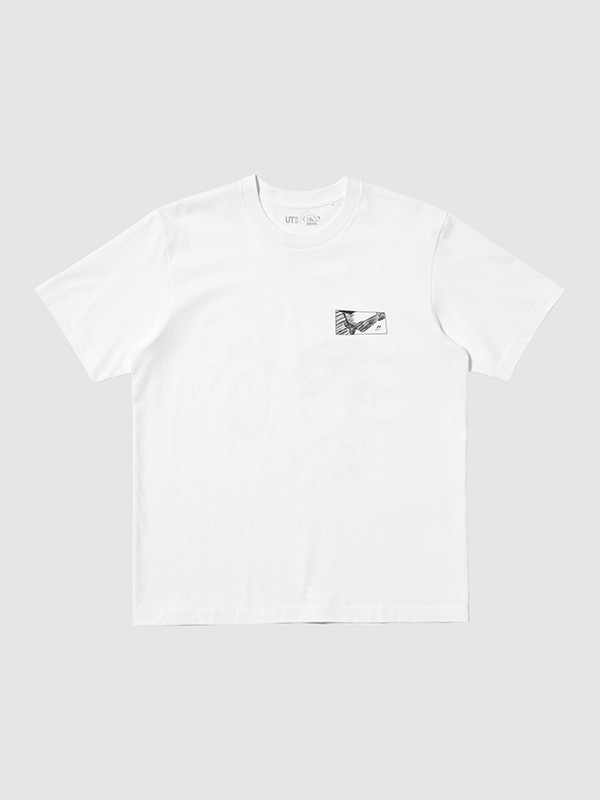
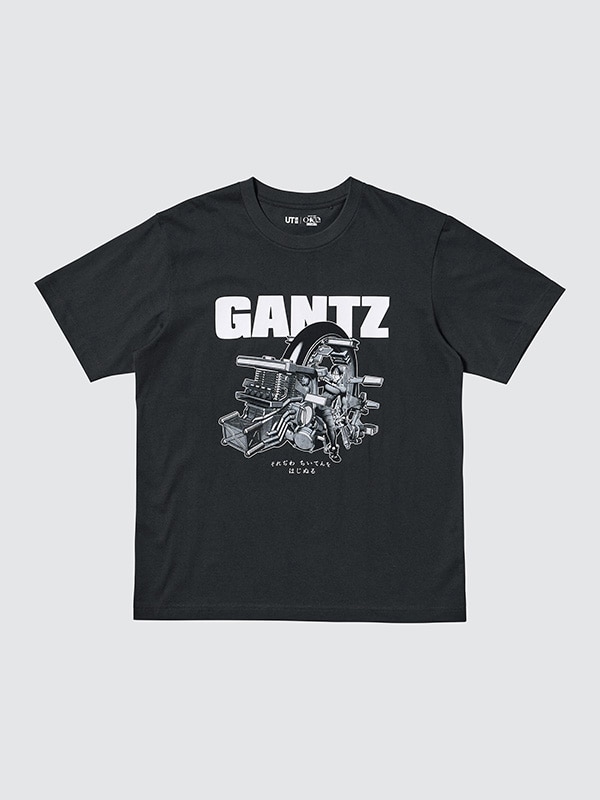
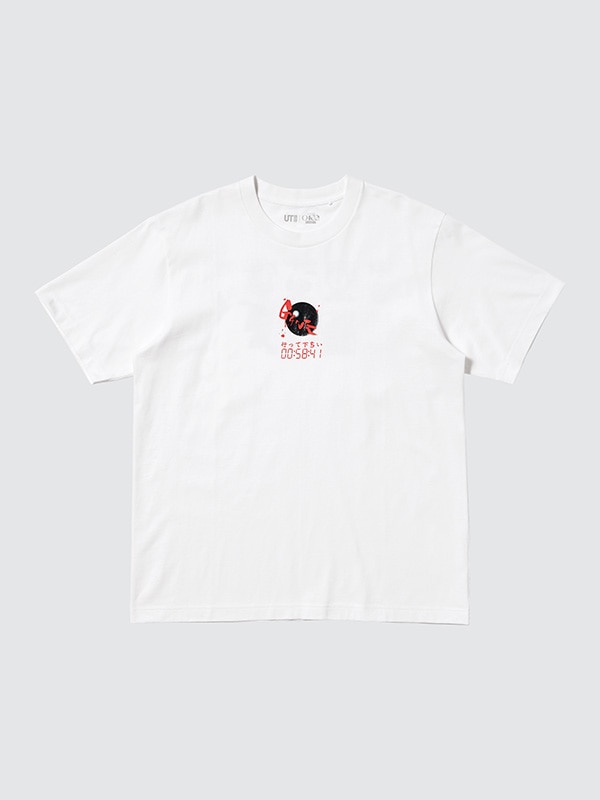
GANTZ
(Weekly Young Jump 2000–2013)
Hiroya Oku
This SF action series gained cult popularity through its original premise—people who should be dead are summoned by GANTZ and forced to fight "aliens"—and meticulous ar twork incorporating 3DCG. Childhood friends Kei Kurono and Masaru Kato, hit by a subway train while on the platform, find themselves the next moment in a mysterious apartment room. Following orders from a black sphere in the room, they begin a mysterious battle without understanding the situation... Adapted into TV anime in 2004, a two-part live-action film in 2011, and the full-3DCG anime film GANTZ:O in 2016. Since 2020, a GANTZ series spin-off set in the Edo period, GANTZ: E has been serializing on the Young Jump+ app with Oku as original creator (art by Jin Kagetsu).
©Hiroya Oku/SHUEISHA
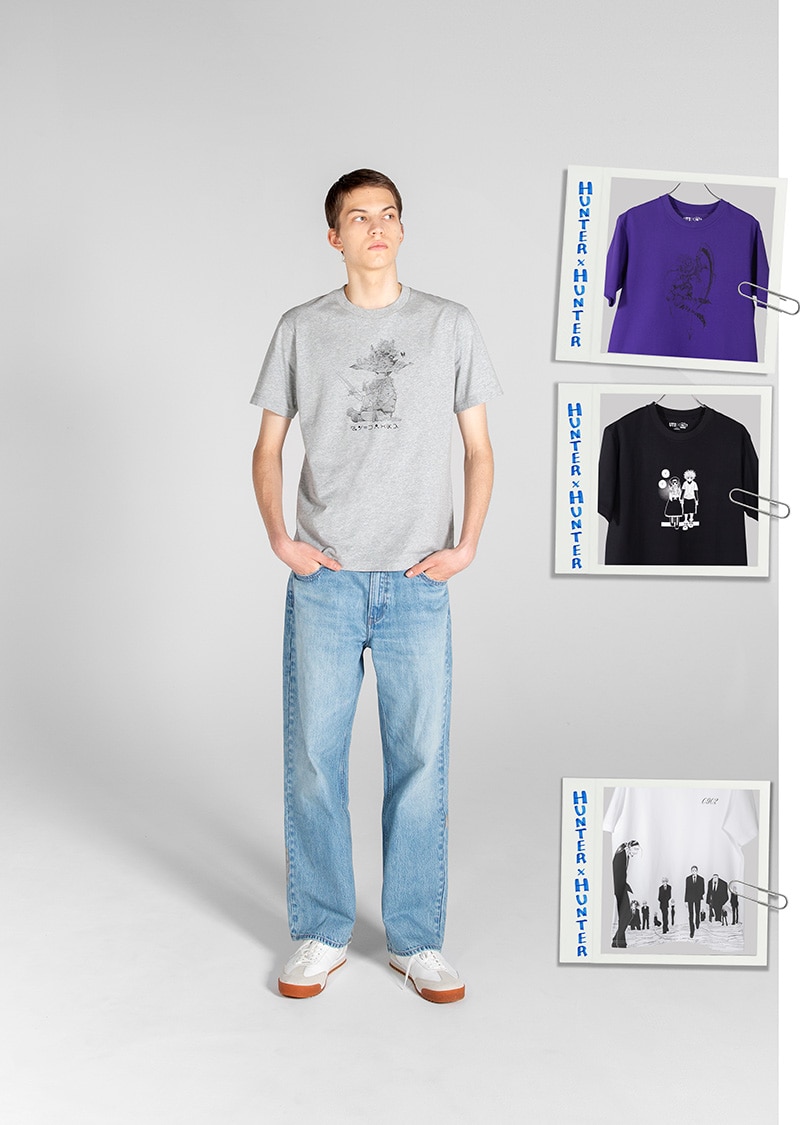
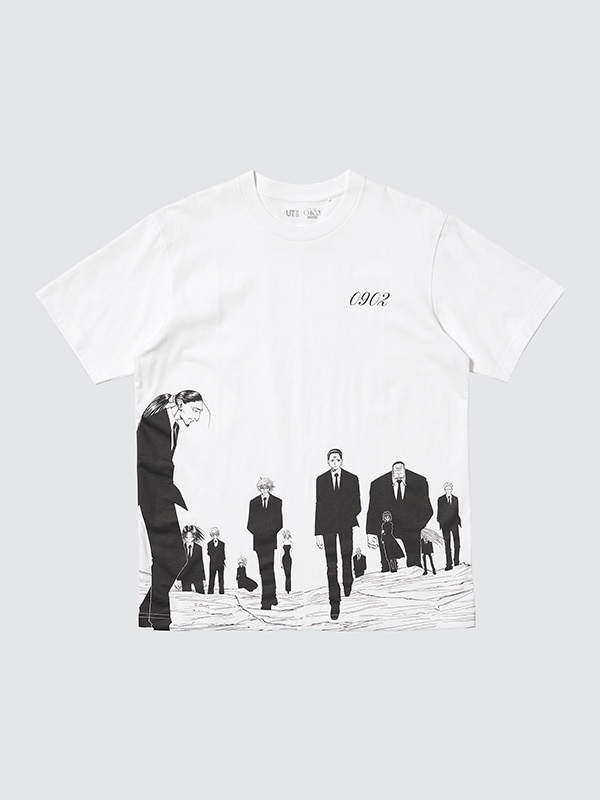
HUNTER×HUNTER
(Weekly Shonen Jump 1998–)
Yoshihiro Togashi
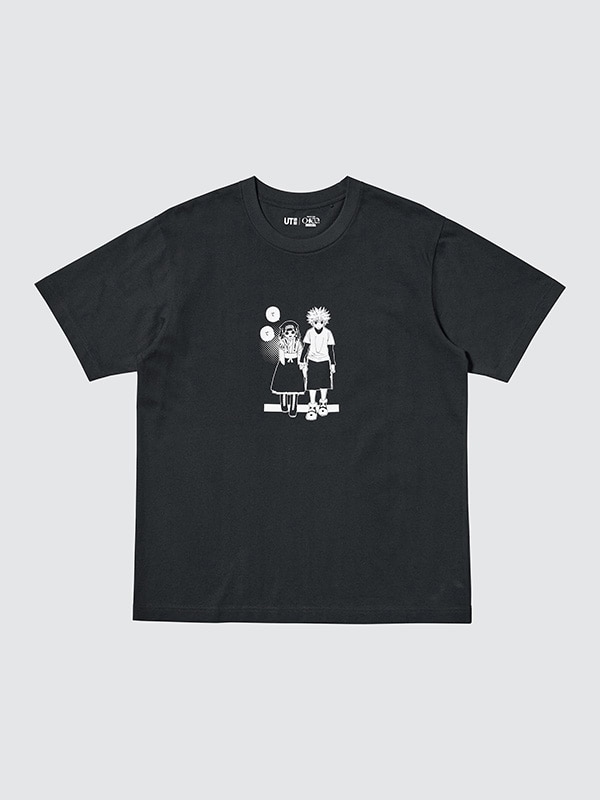
Gon, a boy living on Whale Island, learns that his father, thought to be dead, is alive and working as an excellent Hunter. To become a Hunter like his father and to meet him, Gon's journey begins. Together with Leorio, Kurapika, and Killua, whom he met at the Hunter Exam, he breaks through one grueling challenge after another...!? This epic adventure story, weaving human drama of friendship, betrayal, and revenge with love-hate sagas transcending species, depicts the deepening bonds among companions and their growth together, resonating with many young people. Adapted into TV anime in 1999 and 2011, it has passionate fans worldwide. Stage adaptations began in 2023.
©P1998-2026
1970s-1980s-1990s

Saint Seiya
(Weekly Shonen Jump 1985–1990)
Masami Kurumada
Seiya, a boy raised in an orphanage, is taken in by the Kido Foundation, which runs a massive conglomerate, and sent to Greece. After receiving intense training in Greece, the grown Seiya obtains the Bronze Cloth and becomes a Saint. What awaited Seiya upon his return to Japan was the greatest battle royal among Saints. The series gained popularity for its constellation-themed Cloths (armor) and stories based on Greek mythology, becoming an iconic work of the 1980s. Adapted into TV anime in 1986, it was broadcast in over 80 countries including various European nations, garnering tremendous global response.
©Masami Kurumada/SHUEISHA
Yu Yu Hakusho
(Weekly Shonen Jump 1990–1994)
Yoshihiro Togashi
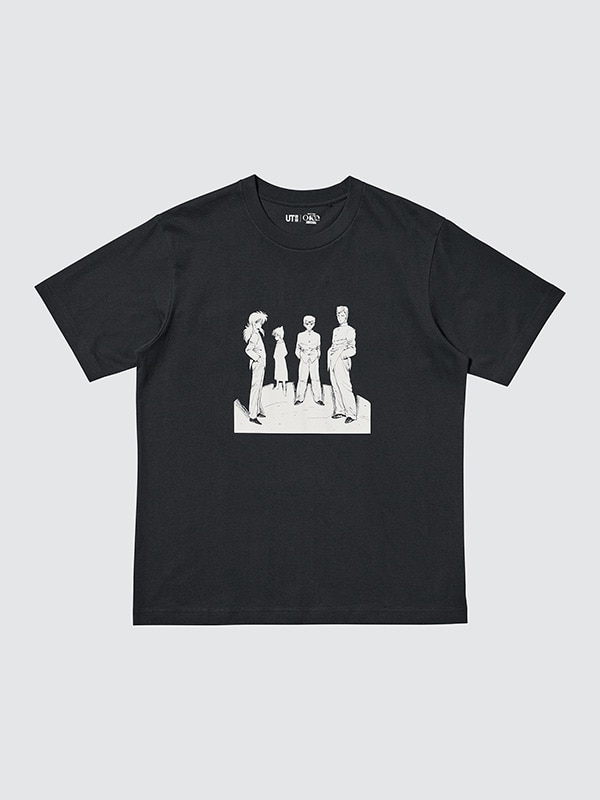
Yusuke Urameshi, a delinquent even teachers can't handle, dies in a traffic accident saving a child and becomes a ghost. Troubled by this unexpected death, Koenma, son of the Great King Enma, offers him trials to return to life, and he revives as a spirit detective. Together with his fighting friend Kuwabara and comrades Kurama and Hiei, whom he met through his missions, he confronts numerous powerful demons and solves case after case. Winner of the 39th Shogakukan Manga Award for the Shonen category in 1993. Adapted into TV anime, theatrical release, and stage productions, with a Netflix live-actiondrama series in 2023.
©YoshihiroTogashi1990-1994
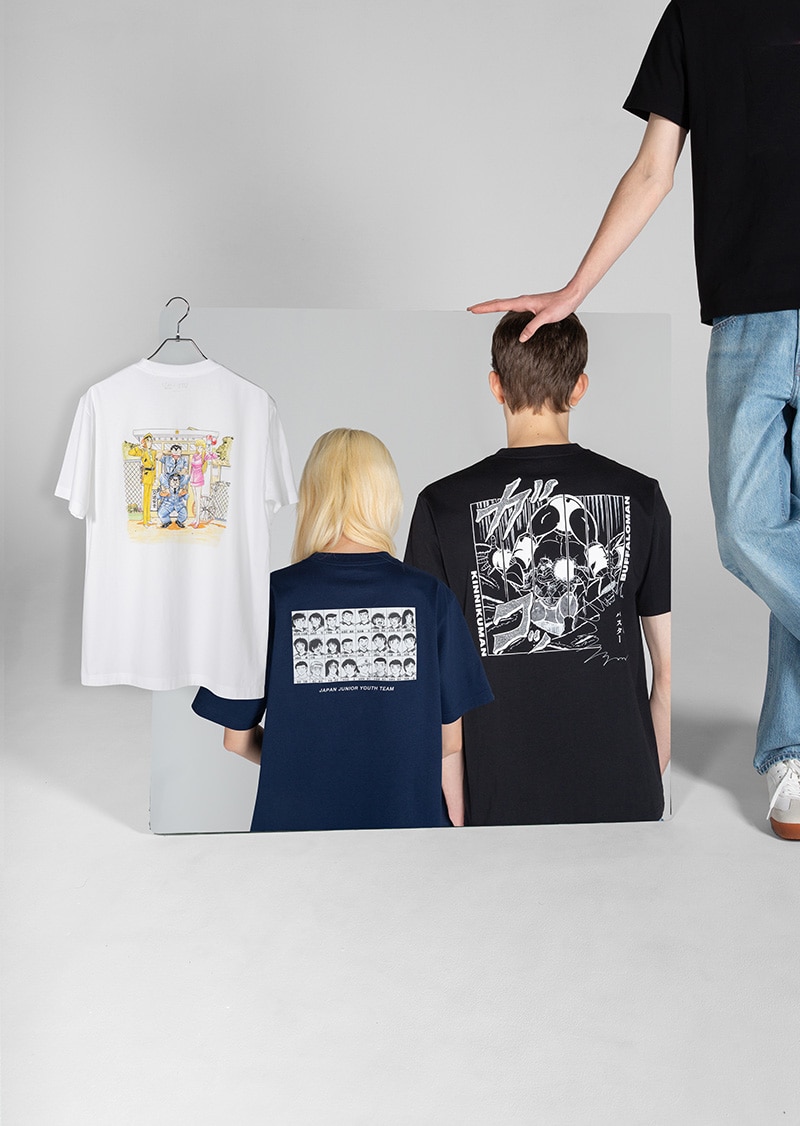
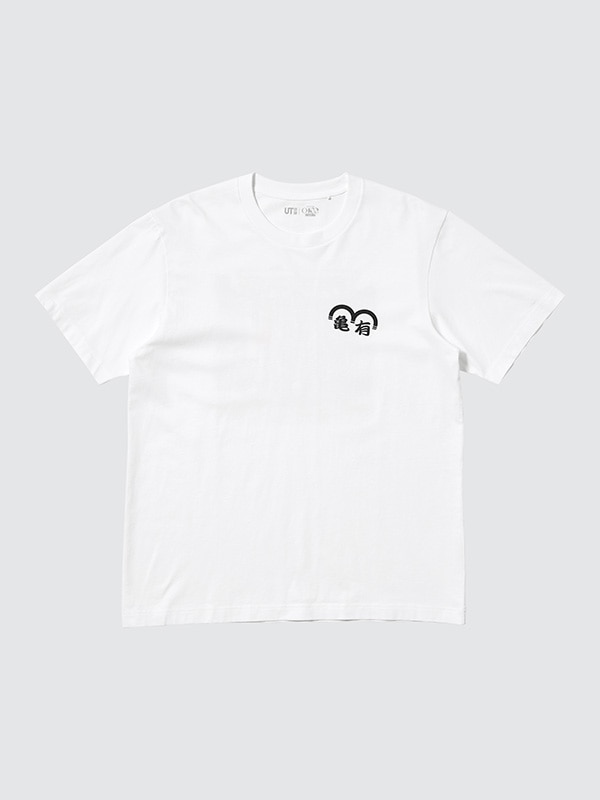
Kochira Katsushika-ku Kameari Kōen-mae Hashutsujo
(Weekly Shonen Jump 1976–2016)
Osamu Akimoto
Beloved as "Kochikame", this is MANGA artist Osamu Akimoto's signature work. Set at the Kameari Park Police Box, it follows Kankichi Ryotsu (Ryo-san), an unconventional officer who loves making money, in slapstick comedy gag MANGA featuring heartwarming episodes with colorful characters. Serialized in Weekly Shonen Jump for 40 years without a single break, with volumes 1–201 published. Adapted into anime and film, it has been beloved across generations. Currently available for free daily streaming on Shueisha Online, one episode per day.
©OSAMU AKIMOTO, ATELIER BEEDAMA/SHUEISHA
Captain Tsubasa
(Weekly Shonen Jump 1981–)
Yoichi Takahashi
A coming-of-age story following protagonist Tsubasa Ozora as he devotes himself wholeheartedly to soccer, advancing through elementary and middle school, battling numerous rivals, and eventually spreading his wings to the world. Subsequently, through derivative series in Weekly Young Jump, Grand Jump, and Captain Tsubasa Magazine, the current latest work Captain Tsubasa: Rising Sun FINALS is now serializing in name (storyboard) format on the website Captain Tsubasa WORLD. It sparked a soccer boom in Japan and influenced many soccer players worldwide.
©Yoichi Takahashi
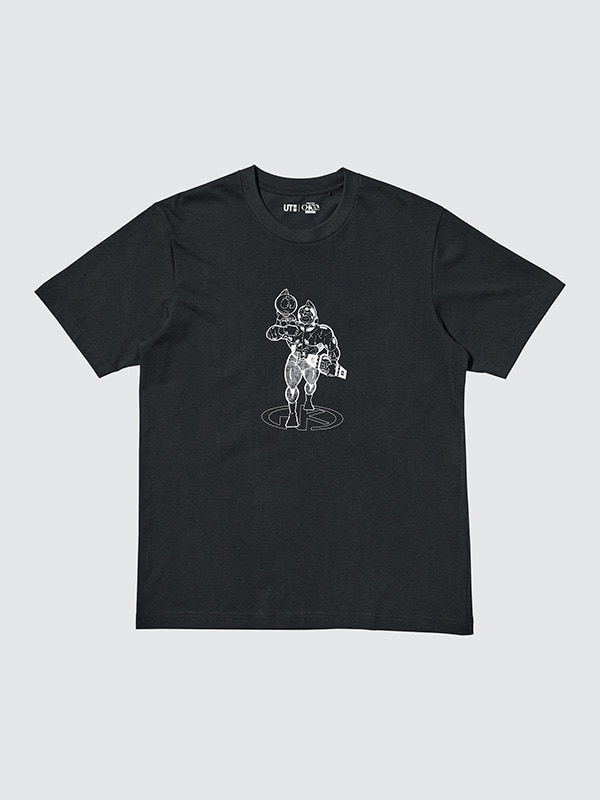
Kinnikuman
(Weekly Shonen Jump 1979–1987,Weekly Playboy NEWS 2011–)
Yudetamago
The debut and signature work of Yudetamago. Though a Chojin (superhuman) from the planet Kinniku at the edge of the universe with abilities far superior to humans, Kinnikuman (real name: Suguru Kinniku) is a "useless Chojin." Through battles against numerous powerful enemies and friendships with comrades, the story depicts his growth into a true justice superhero. The sequel Kinnikuman Nisei (Kinnikuman II) ran from 1998 to 2011. In 2011, serialization of the original Kinnikuman resumed, currently continuing in Weekly Playboy and Weekly Playboy NEWS.
©Yudetamago/Shueisha
Lineup
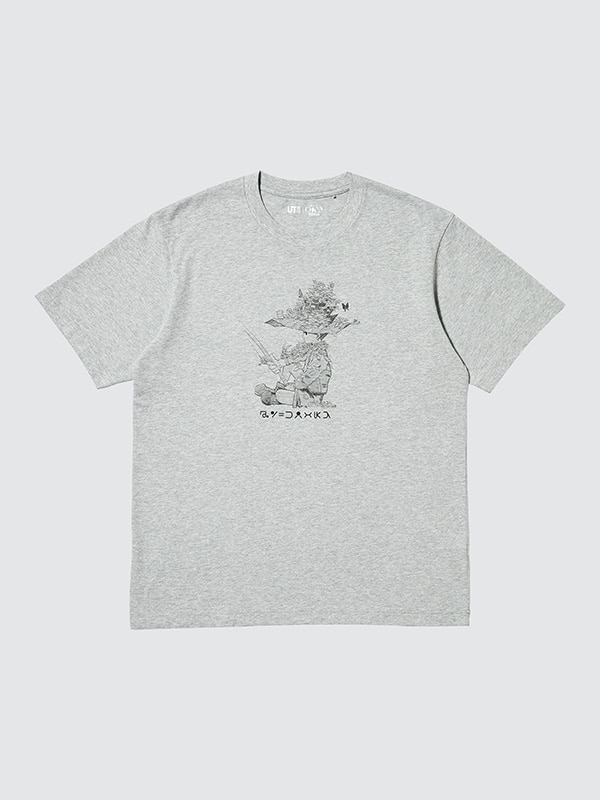
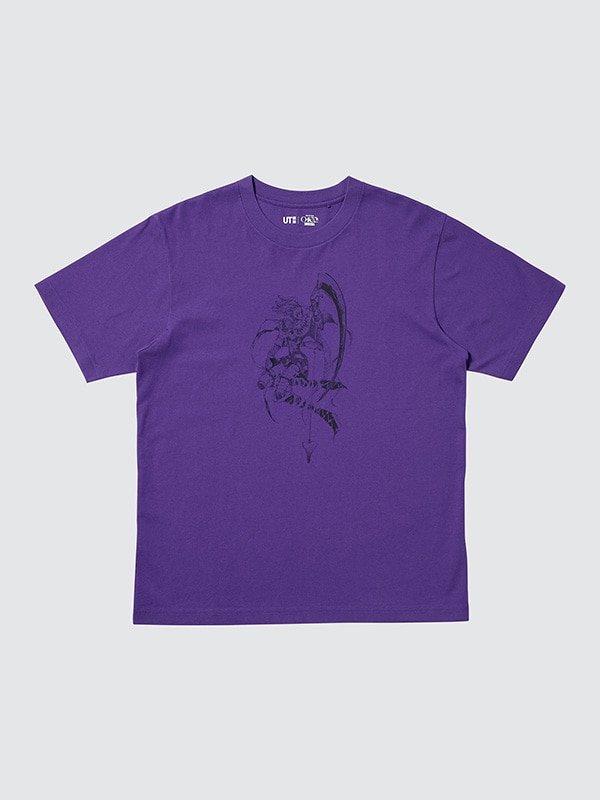
All items
TOP