


Contributing to the legacy of Pokémon
Aug 11, 2025
UNIQLO Today
Shop the collection
Slowpoke
Miki Tanaka
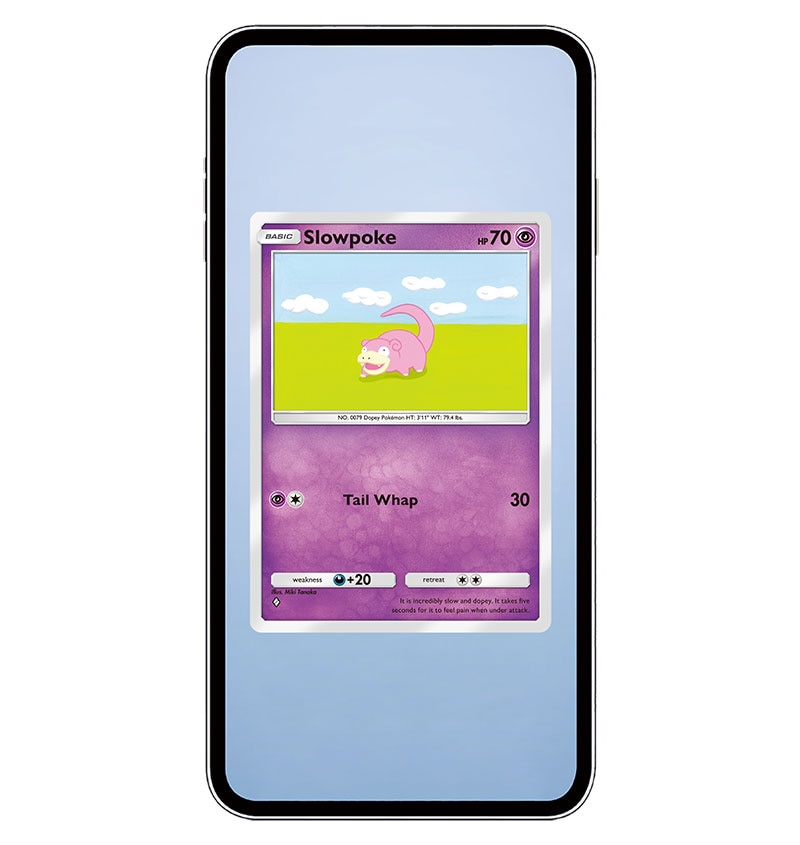
Q. We heard that the illustration of Slowpoke, now featured on this T-shirt, was originally created in 1997.
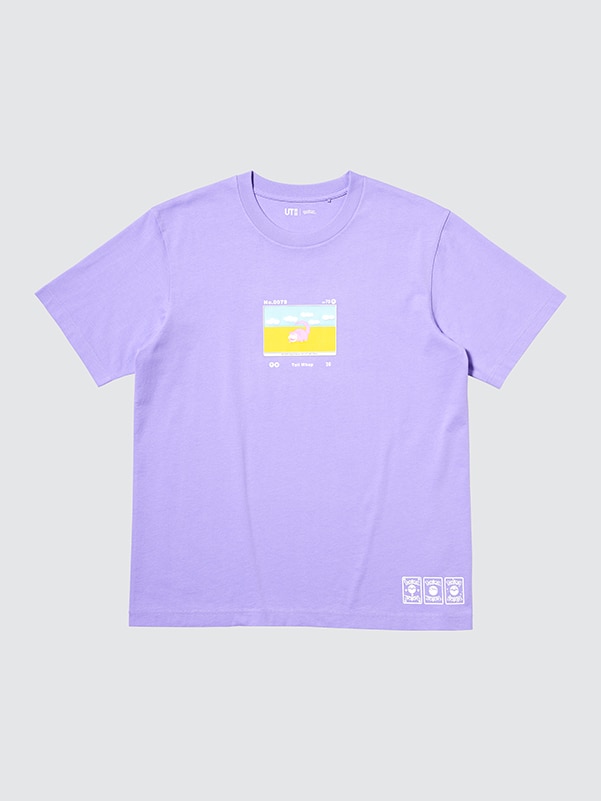
At the time I was first asked to illustrate Slowpoke, I didn’t have much knowledge of the Pokémon Trading Card Game yet, so I was genuinely navigating uncharted territory. However, I found Slowpoke’s palette and form remarkably endearing, so I focused on capturing the impression I got from its appearance as a starting point. I also wanted Slowpoke to stand out clearly, so I made a conscious effort to keep the background as simple as possible. While choosing colours that would create a contrast with the Pokémon, I sought to craft a scene that would evoke a narrative moment. Even now, I tend to draw relatively simple backgrounds—but I don’t think I’ll ever create one as minimal as the one I did for Slowpoke again.
Q. Do you play the Pokémon Trading Card Game yourself?
I have two sons, aged 15 and 18, and these days, they're even more into the Pokémon Trading Card Game than I am. Ever since I started working on the Pokémon Trading Card Game, I remember thinking, 'One day, I want to draw well enough to make my future kids proud'. Now, being able to continue working on something that’s been loved around the world for so many years truly makes me feel happy and grateful. By the way, I changed my last name when I got married, but some of my sons’ friends, who know me through my work on the Pokémon Trading Card Game, still call me Miki Tanaka (laughs).
Q. What approach do you take when creating your illustrations?
Before I began working on the Pokémon Trading Card Game, I had already been illustrating for magazines, books, and advertisements. Since then, I've consistently used gouache—a type of opaque watercolour—on A4-sized watercolour paper. I work exclusively with traditional media rather than digital tools, so each piece requires a single, decisive execution that requires intense focus every time. Because of this process, I believe I’m able to bring out the matte colour tones and unique textures that only hand painting on watercolour paper can achieve.
Q. How do you feel about your illustration being worn by people around the world as a UT T-shirt?
I’m truly happy and honoured that my illustration has been brought to life as a T-shirt in UNIQLO’s UT collection, which is available worldwide. I’ve always felt that Slowpoke is loved by people of all ages, from children to adults, and knowing that so many people will embrace it as part of their daily lives fills me with genuine excitement. I might even find myself saying, 'Hey, I drew that!' to someone wearing it (laughs)!
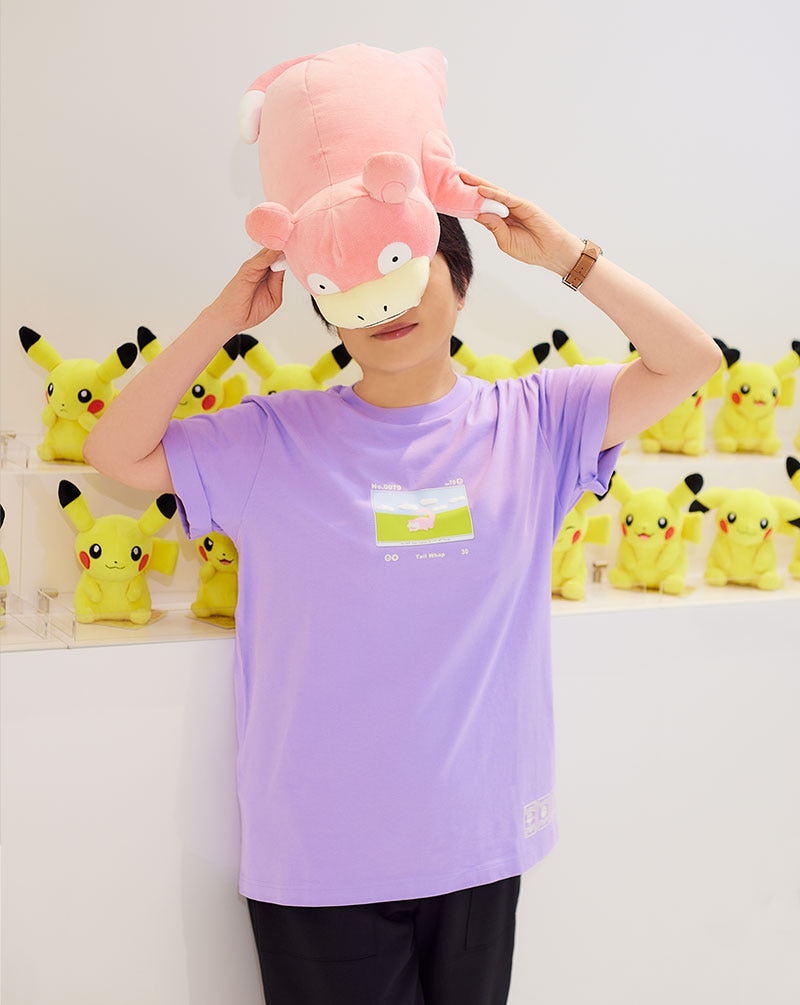
Miki Tanaka
Miki Tanaka is an illustrator, born in Tokyo. Tanaka majored in English at university but began her path as an illustrator while working part-time at a traditional Japanese dance prop shop in Asakusa, where she started painting custom designs on fans and bamboo hats. She has been involved with the Pokémon Trading Card Game since its third expansion set, Fossil (released in 1997). Her consistent, flat yet expressive style has won the hearts of fans worldwide.
Miki Tanaka is an illustrator, born in Tokyo. Tanaka majored in English at university but began her path as an illustrator while working part-time at a traditional Japanese dance prop shop in Asakusa, where she started painting custom designs on fans and bamboo hats. She has been involved with the Pokémon Trading Card Game since its third expansion set, Fossil (released in 1997). Her consistent, flat yet expressive style has won the hearts of fans worldwide.
Omanyte
Keiji Yano
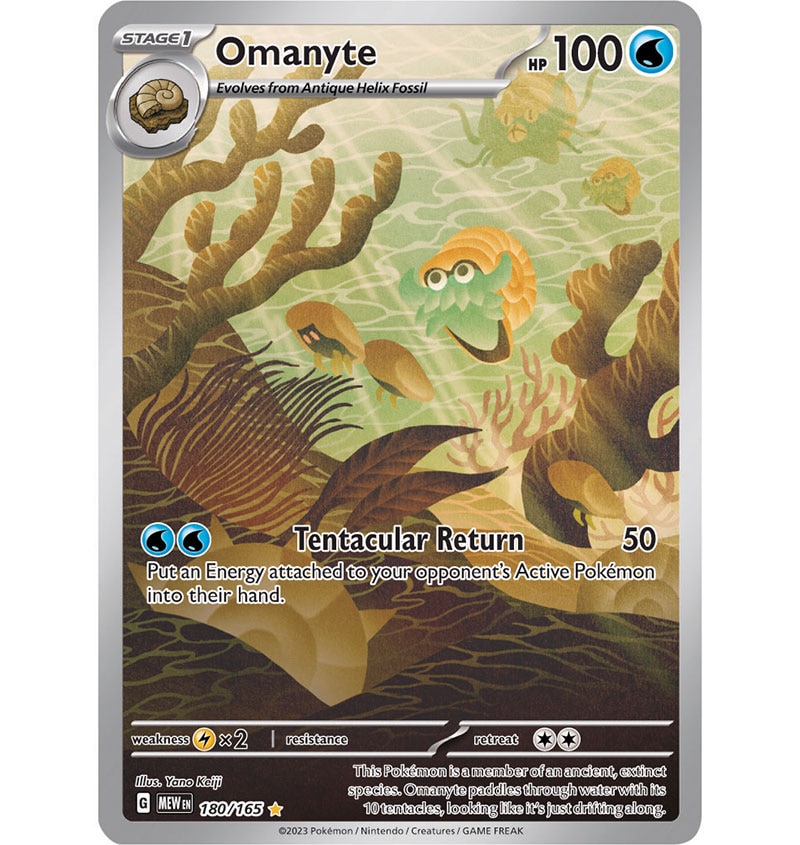
Q. How do you feel about your illustration being included in the UT collection?
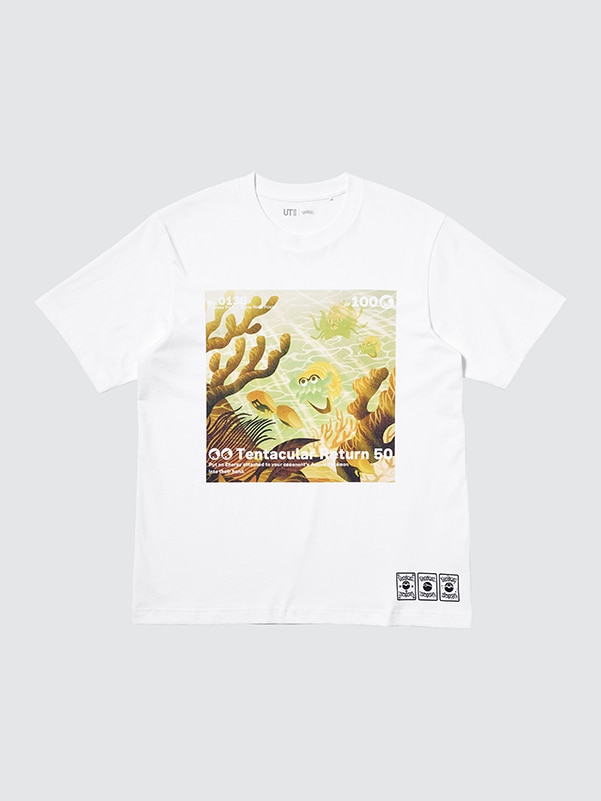
I usually dress head to toe in UNIQLO and I really love the UT collection. I especially enjoy the series themed around famous artworks and often buy them. It’s a great honour to have my own work included as part of such a collection. What I found innovative is that it’s not just the illustration itself, but the entire card that has been adapted and incorporated into the design. I also appreciated the attention to detail, such as how the text was adjusted to match the material and colour of the background.
Q. What was the creative inspiration behind your illustration of Omanyte?
I experimented with various approaches to render Omanyte as visually compelling while depicting it as part of a natural environment. For the background, I chose a perspective looking up from underwater toward the surface to create a sense of depth and the vastness of the ocean. This idea was inspired by my real-life snorkelling experience off the coast of Borneo in Malaysia. I also focused on showcasing Omanyte’s unique colours, employing reflected light to cultivate an ethereal, almost mystical atmosphere. By the way, if you look closely, you’ll spot a few other Pokémon swimming in the scene if you can find them!
Q. What makes illustrating Pokémon cards so special for you?
I grew up playing the Pokémon Trading Card Game and the video games Pokémon Gold and Pokémon Silver with my friends, and was inspired by the anime. Even now, as an adult, I enjoy the Pokémon Trading Card Game and Pokémon GO, and I feel there’s no other content I’ve been so passionately engaged with for such a long time. Being involved in a work that I’ve cherished for so long—and that has been loved by people around the world for many years—brings me a special joy that I can only experience through this job.
Q. What inspired you to start illustrating, and how did you develop your own artistic style?
When I was a child, I was deeply influenced by traditional Japanese art—such as ukiyo-e and nihonga—as well as Buddhist statues, which my grandfather, who was a painter, used to show me. I was also drawn to 20th-century Western artists like Picasso, Cézanne and de Chirico. At first glance, Eastern and Western artistic traditions may appear to be entirely distinct realms, but they share profound interconnections. For example, artists like Van Gogh and Cézanne were influenced by ukiyo-e, and Picasso absorbed even more from that tradition. In university, I studied sculpture, which may be why I consciously explore the flat, two-dimensional expressions unique to painting in my illustrations
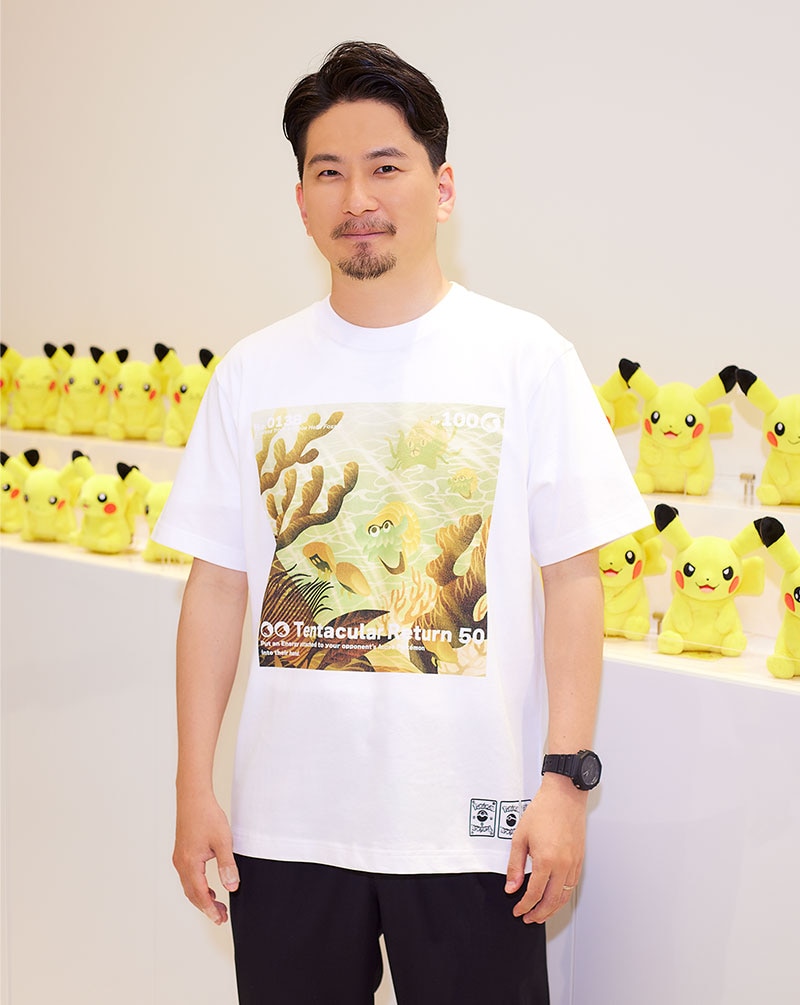
Keiji Yano
Keiji Yano is an illustrator, born in 1988 in Kochi Prefecture. After graduating from Tokyo University of the Arts, he joined Nintendo Co., Ltd. as a designer. He became independent in 2017 and has since worked across a wide range of fields, including advertising, books, magazines, television programmes, and the Pokémon Trading Card Game. His accessible yet distinctively interpretive illustrations for the Pokémon Trading Card Game have garnered widespread acclaim from fans globally.
Keiji Yano is an illustrator, born in 1988 in Kochi Prefecture. After graduating from Tokyo University of the Arts, he joined Nintendo Co., Ltd. as a designer. He became independent in 2017 and has since worked across a wide range of fields, including advertising, books, magazines, television programmes, and the Pokémon Trading Card Game. His accessible yet distinctively interpretive illustrations for the Pokémon Trading Card Game have garnered widespread acclaim from fans globally.

Special edition of UT magazine with an exclusive Pokémon Trading Card Game paper playmat
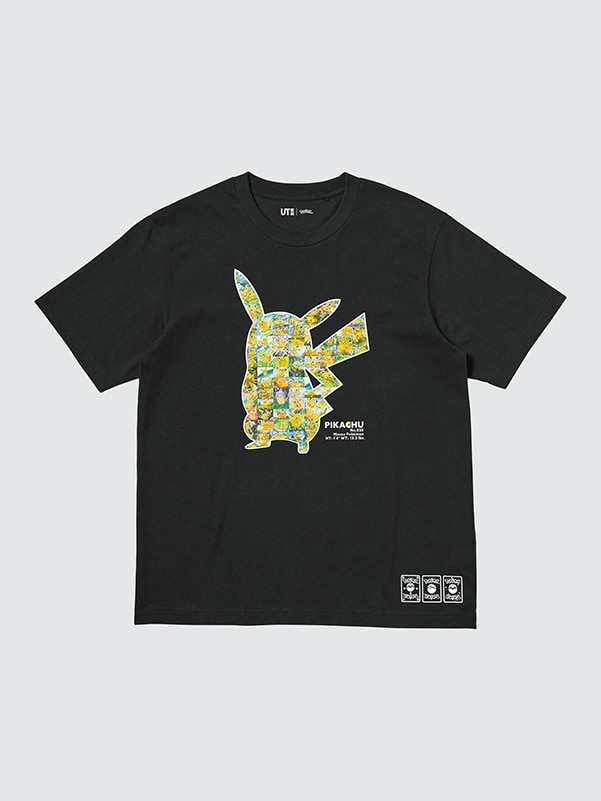
To celebrate the release of this collection, a special issue of UT magazine will be distributed exclusively in stores beginning Monday, August 11th. This edition features a UT-exclusive Pokémon TCG playmat featuring Pikachu in a bold design, which also appears in the collection. The playmat can be used to play the Pokémon TCG. In addition, the back of the playmat features interviews with two popular Pokémon TCG card illustrators who created the Slowpoke and Omanyte Pokémon TCG card illustrations that appear in the UT collection.
The collection
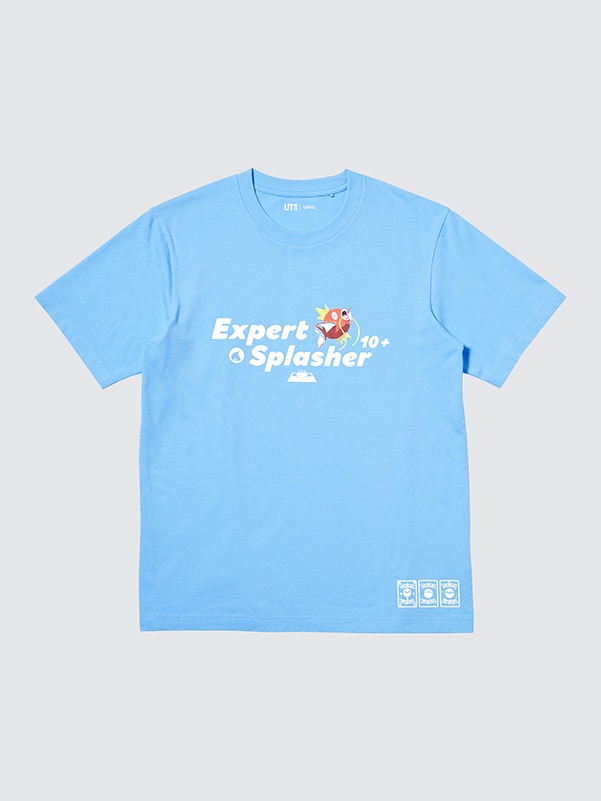
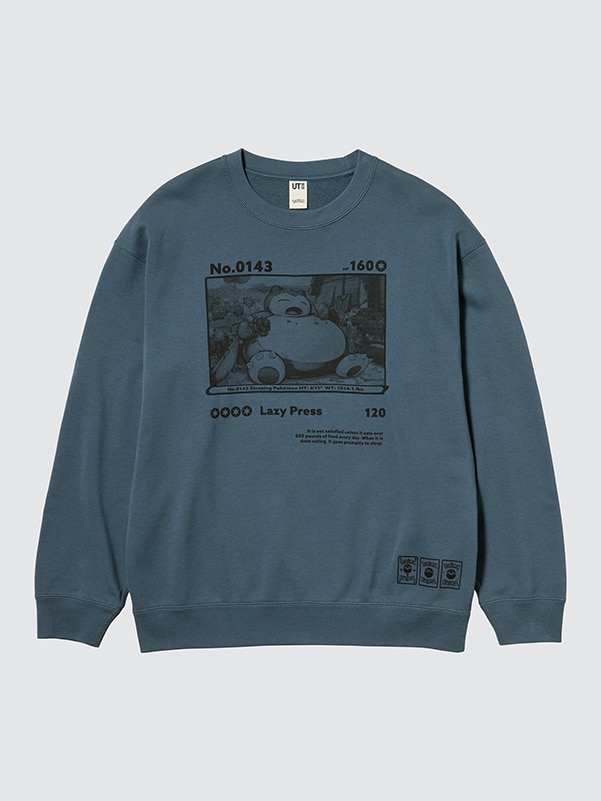
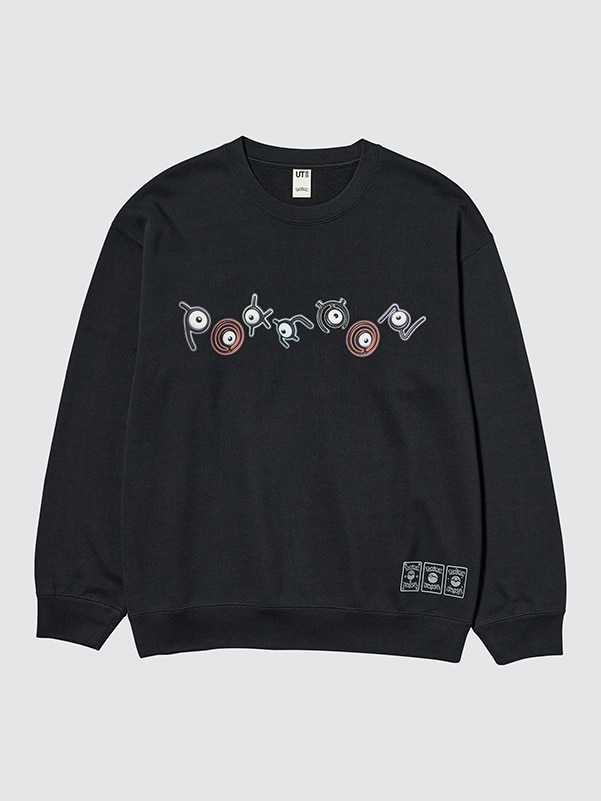
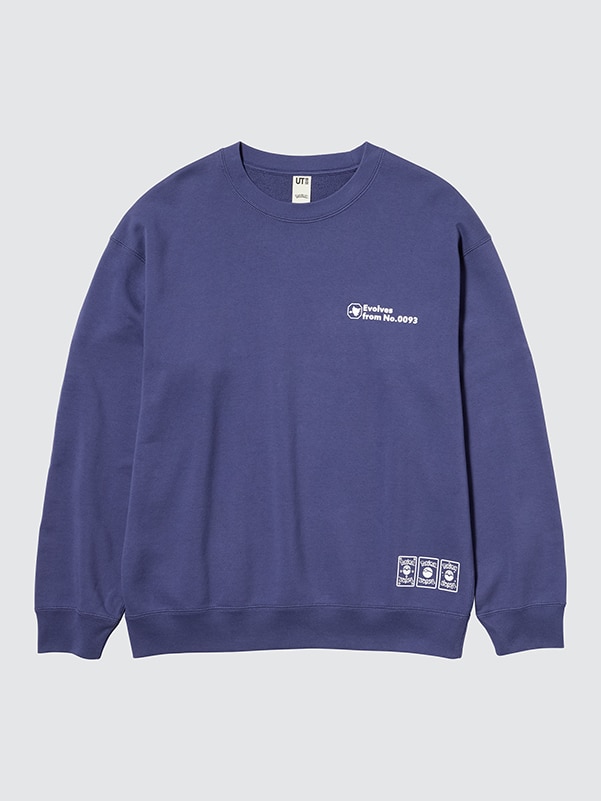
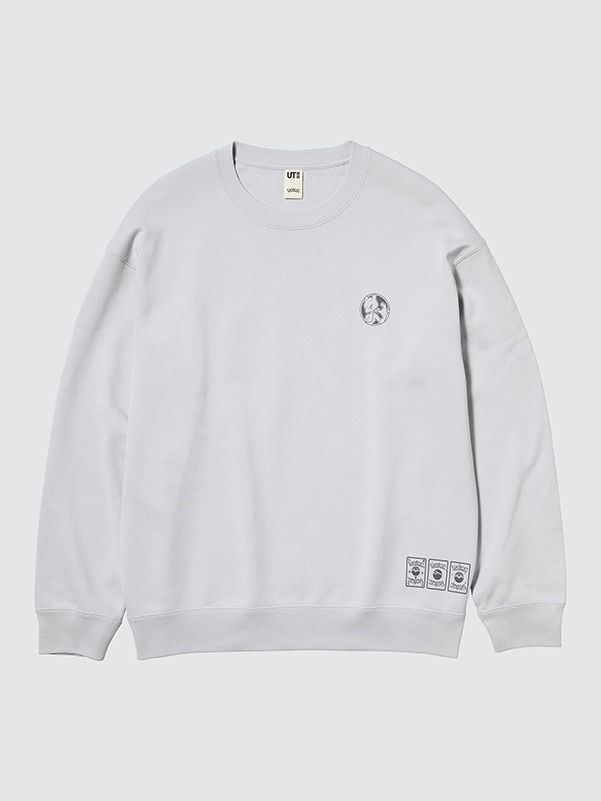
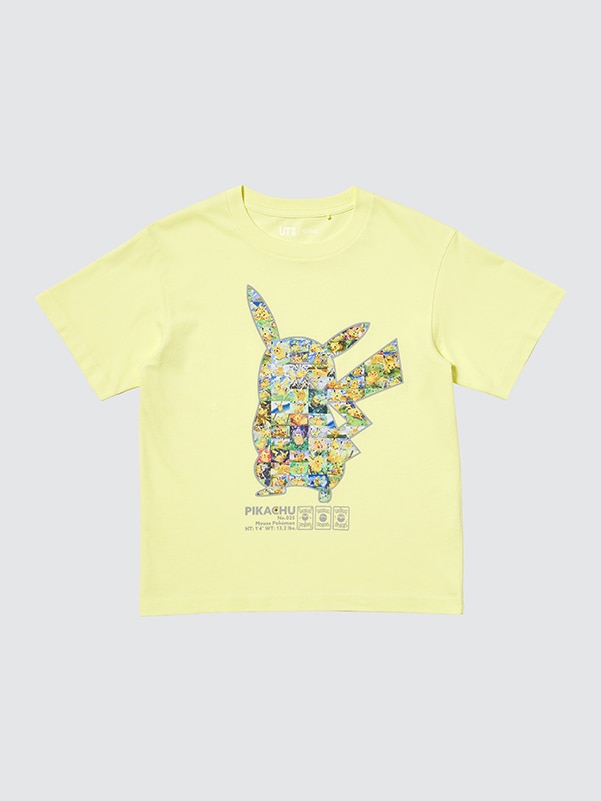
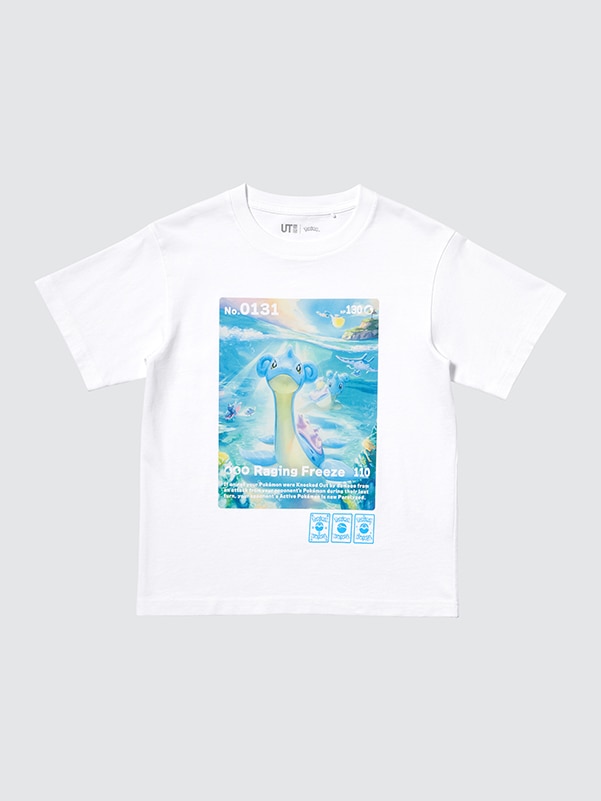
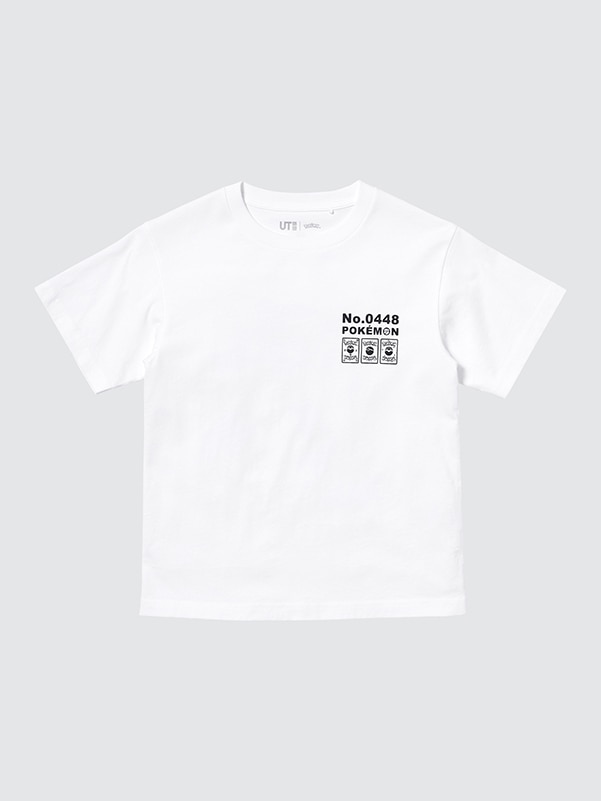
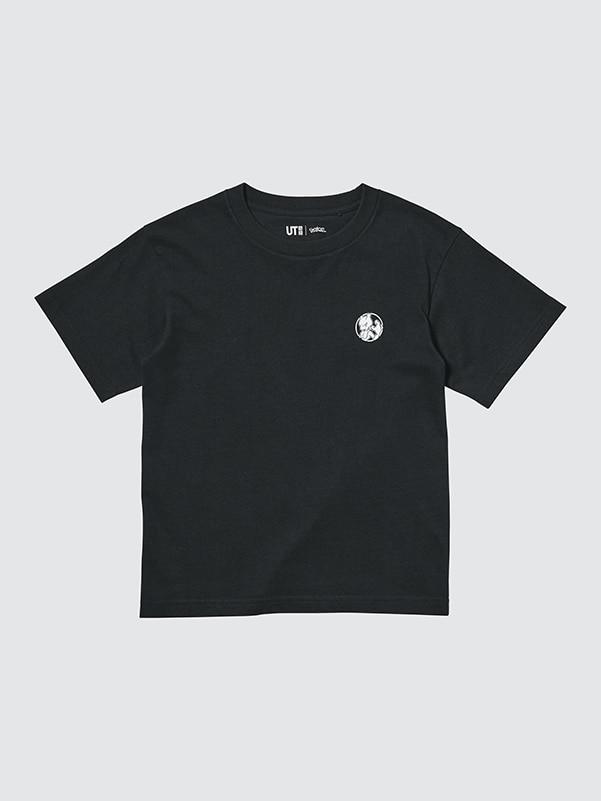
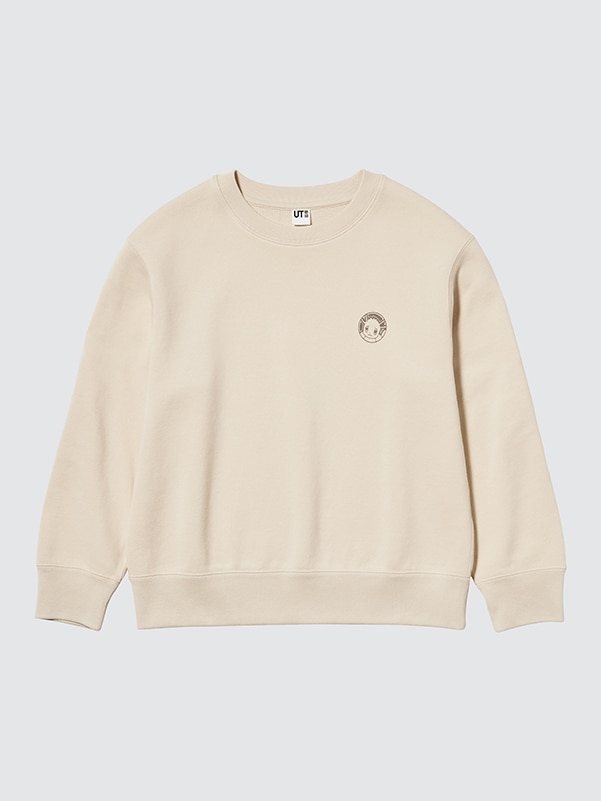
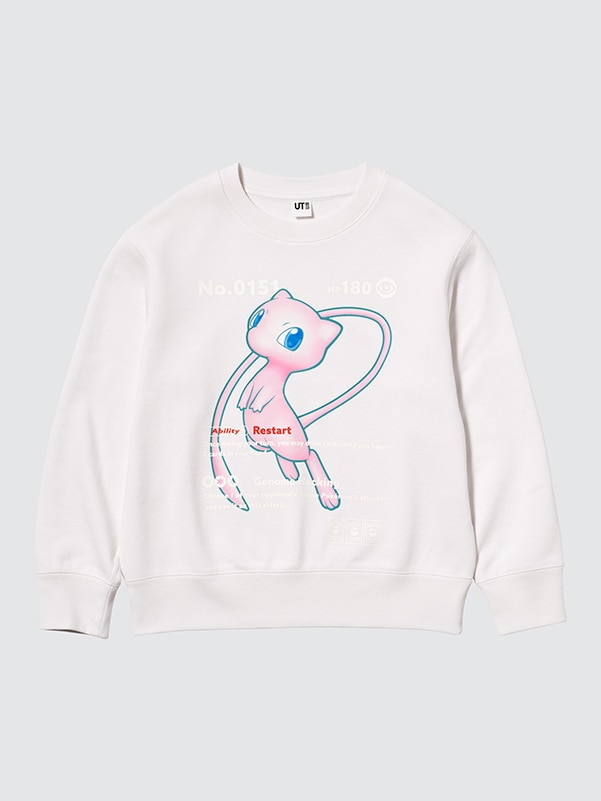
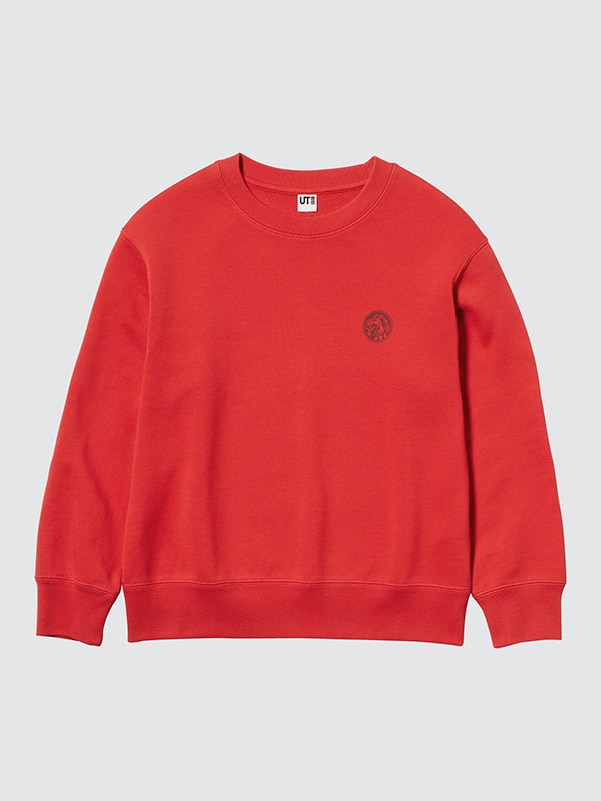
Shop the collection
TOP