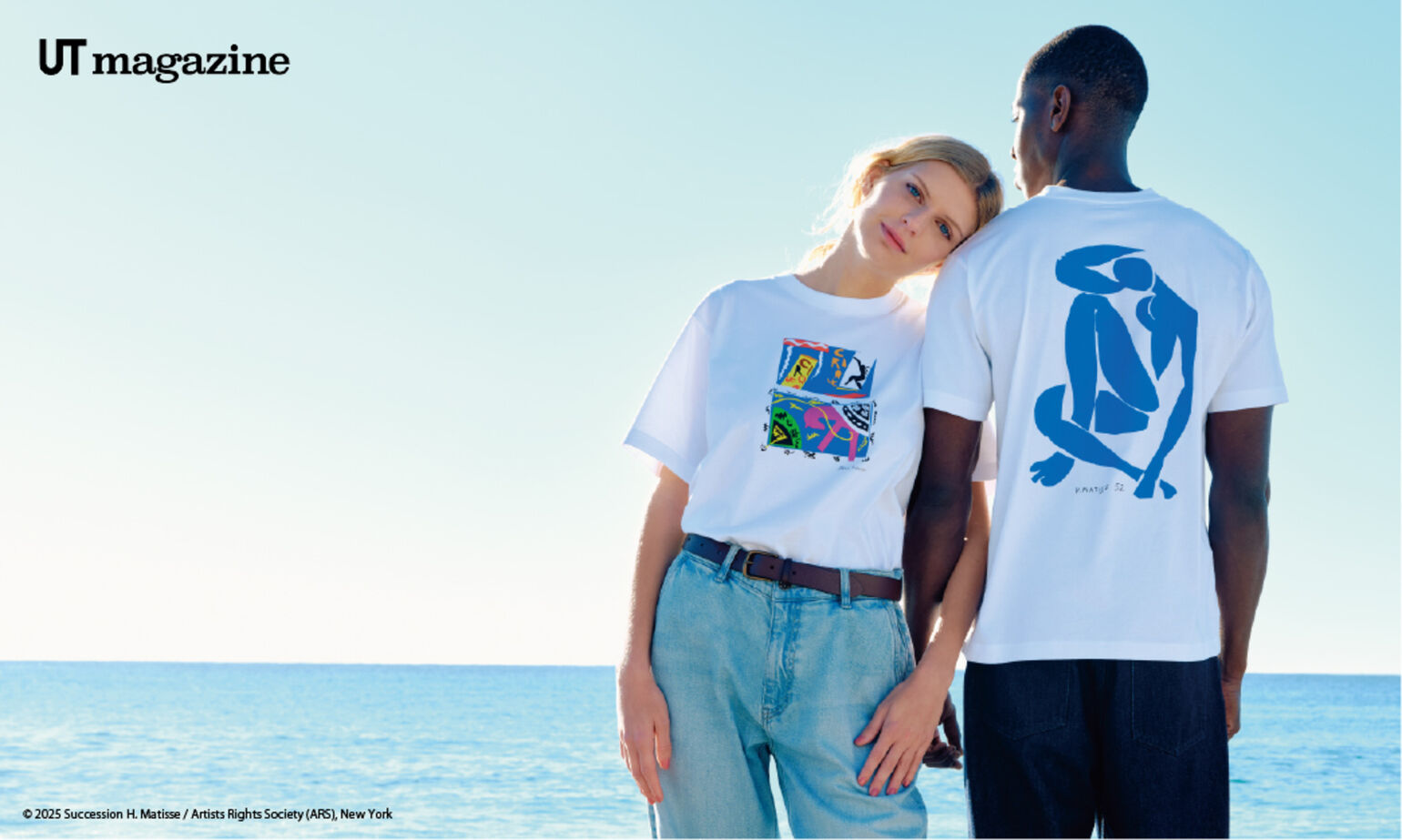
Tracing the footsteps of Henri Matisse in Nice
SHOP THE COLLECTION
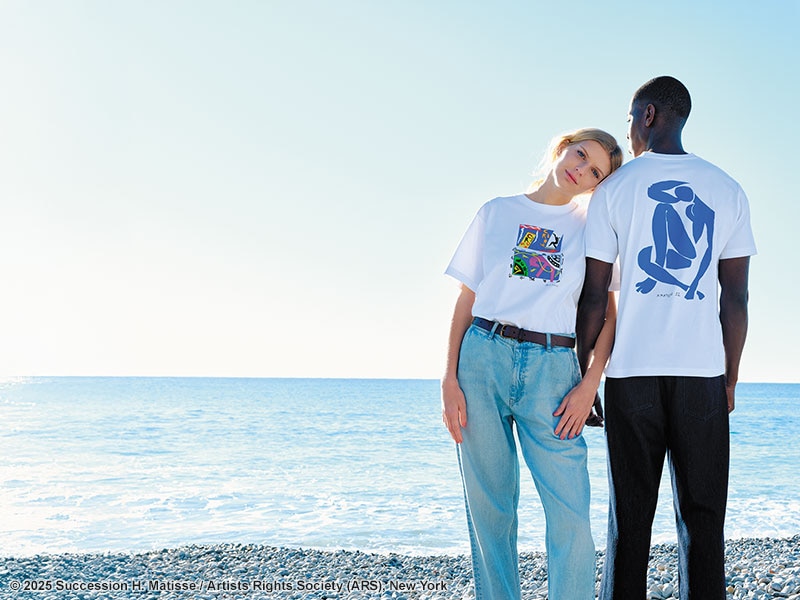
Left
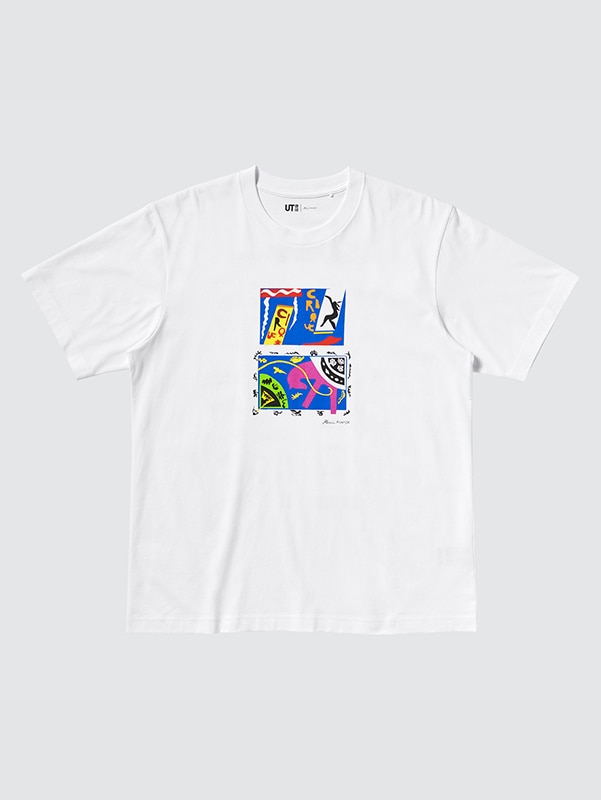
Jazz II. The Circus (1947) / Jazz V. Horse, Rider and Clown (1947)
The iconic art book Jazz, created by Matisse using his renowned cut-out technique, features 20 works alongside a handwritten table of contents. It is distinguished by its vibrant colours and dynamic energy, drawing on themes such as the circus, folklore, animals and the artist's memories of his travels in Tahiti.
Right
Blue Nude, IV (1952)
The Blue Nudes series, created with cut-outs in his later years, consists of four works. The female form is depicted with striking simplicity on blue paper. In Blue Nude, IV, multiple underdrawn lines remain visible, offering a rare insight into Matisse's ongoing process of exploration and refinement.
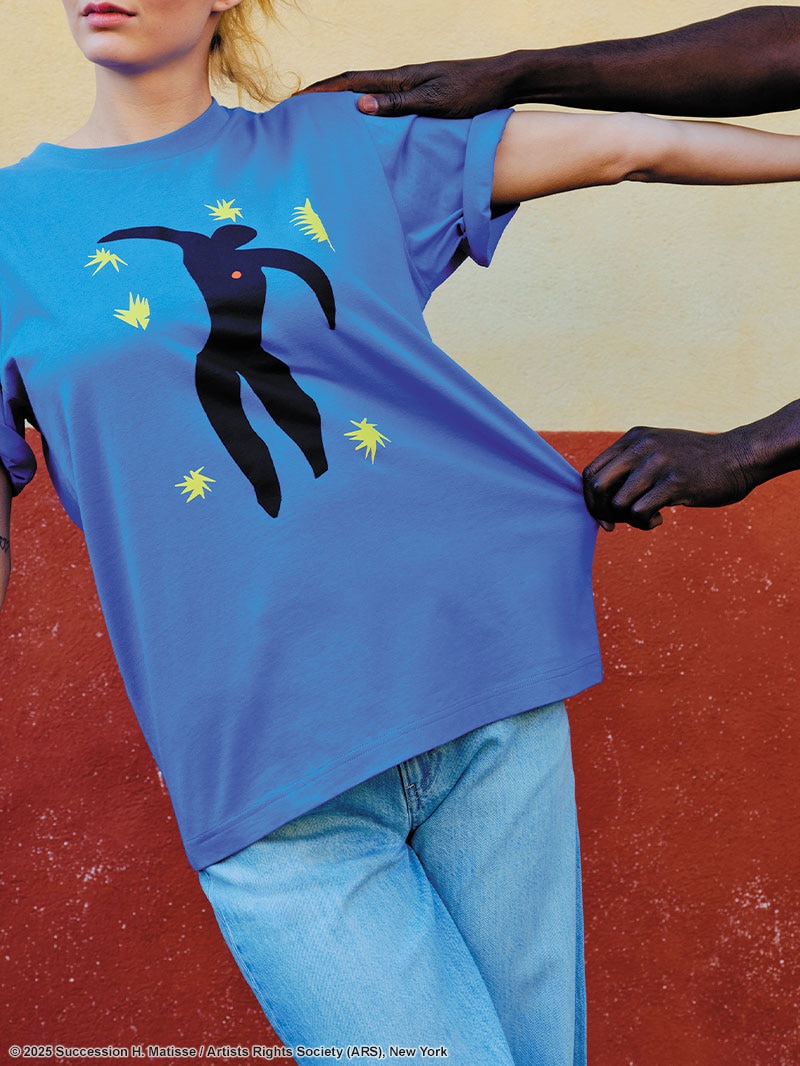
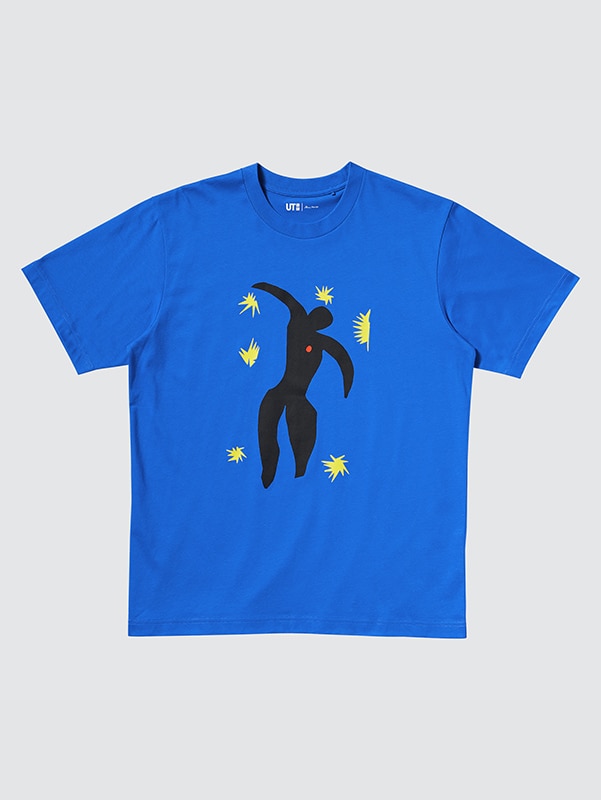
Jazz VIII. Icarus (1947)
The 8th piece in the Jazz series portrays Icarus, a figure from Greek mythology. Having acquired wings and taken flight, he ventures too close to the sun, causing his wings to melt and ultimately leading to his fall. Matisse captures both the dynamic movement and the tragic inevitability of Icarus's fate through the cut-out.
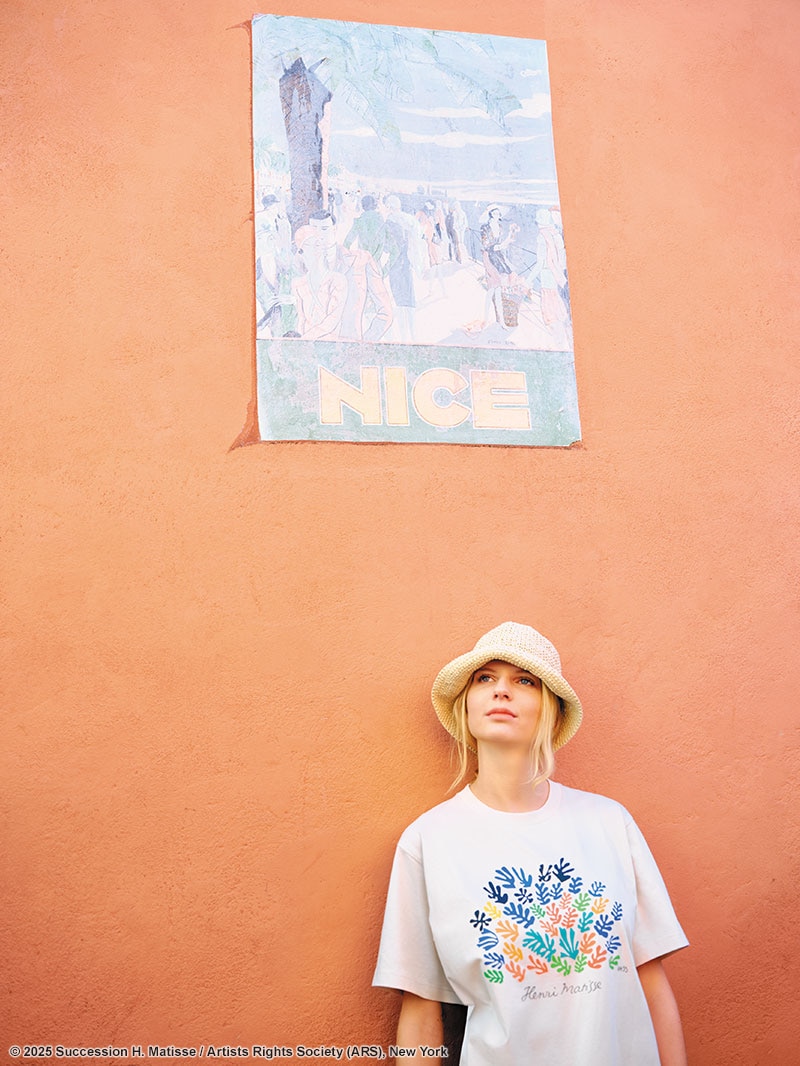
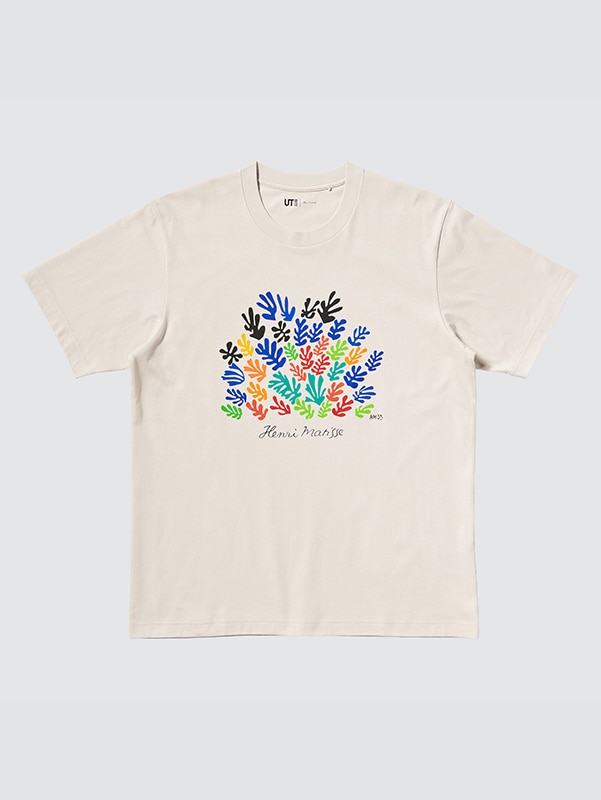
The Sheaf (1953)
The cut-out The Sheaf, created in the year before Matisse's death, features motifs that evoke the leaves and stems of plants, radiating outward in a design reminiscent of a bouquet. This piece stands as one of the final expressions of Matisse's artistic journey, symbolising his exploration of life's vitality and the beauty of nature through colour and form.
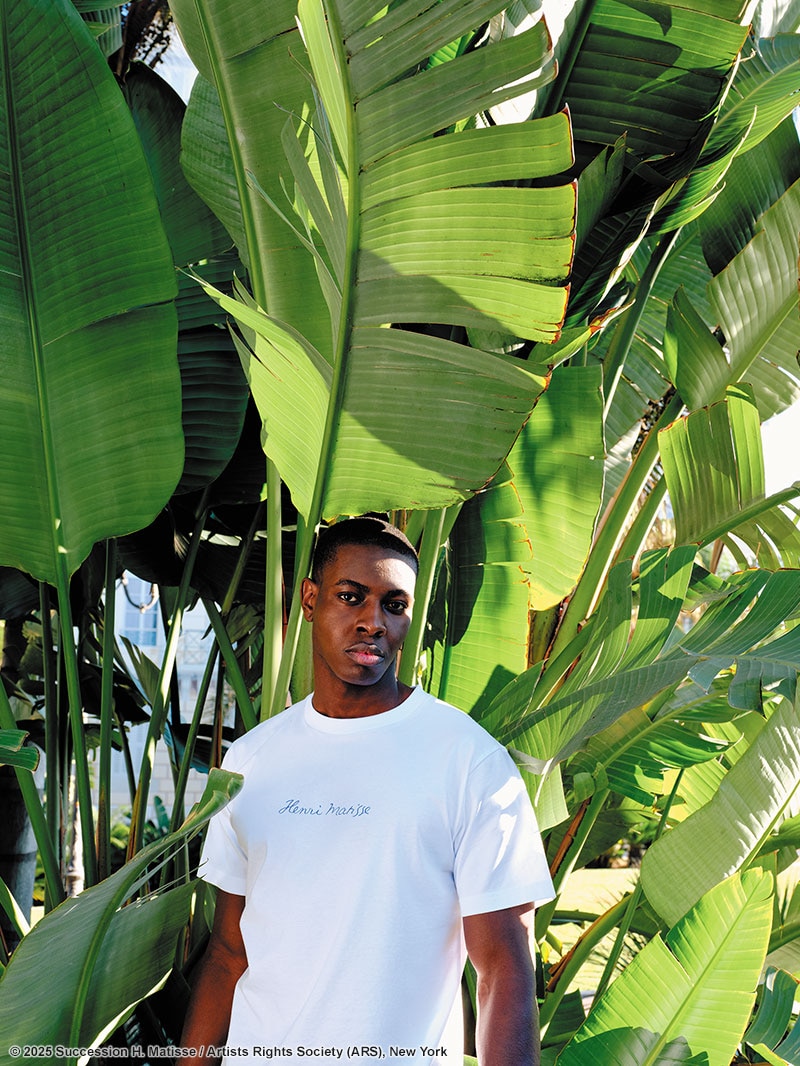
Blue Nude, IV (1952)
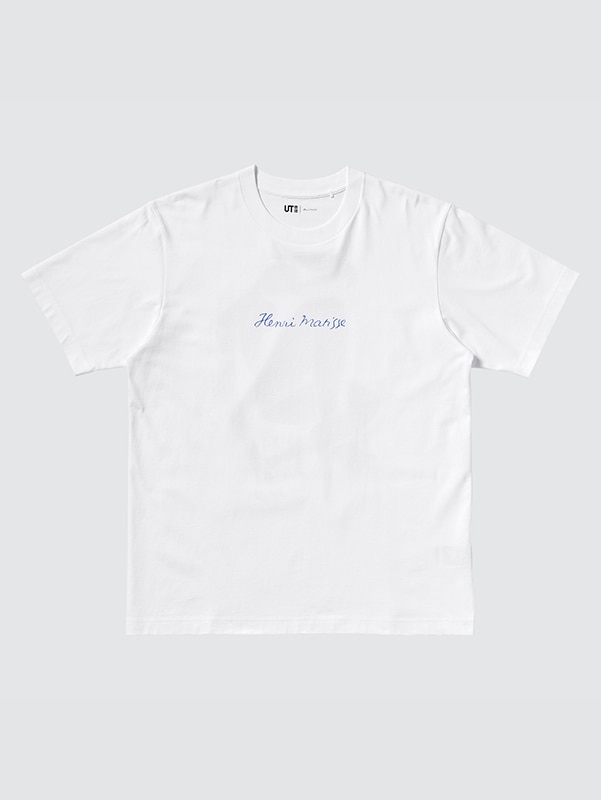
The artist's name on the front of the T-shirt is handwritten by Matisse himself, simply rendered in symbolic blue. The back of the T-shirt features Blue Nude, IV, in which the female form is layered multiple times using the cut-out technique, capturing subtle tonal gradations that recall the delicate nuances of brushwork.
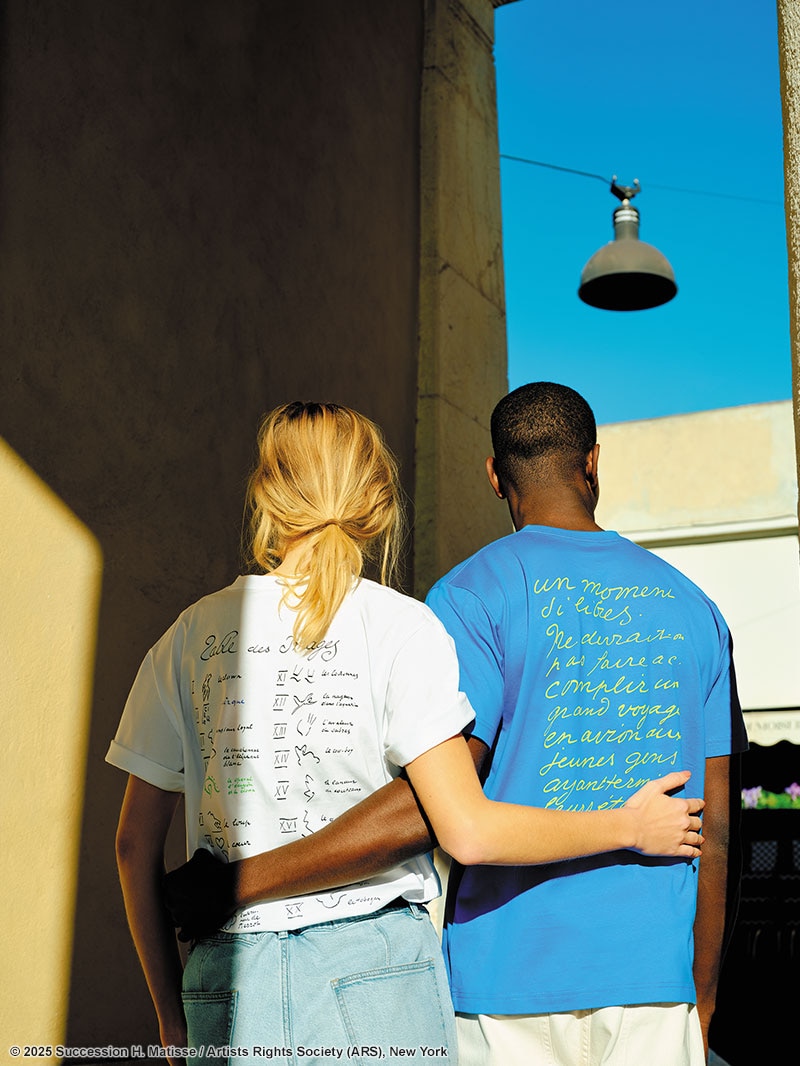
Left
Jazz XXI. (1947)
This is the graphic for the table of contents of the art book Jazz for which Matisse created not only the artwork, but also the text. The layout, free from the constraints of grid design, and the fluid, hand-drawn typography convey the improvisational energy and rhythmic flow of jazz music.
Right
Jazz VIII. Icarus (1947)
This shot shows the back of the Icarus design shown above. This handwritten text is also by Matisse, and it appears on the adjacent page of the art book to the table of contents. Jazz includes not only visual works but also writings that reflect Matisse's thoughts on art, travel, love, and more.
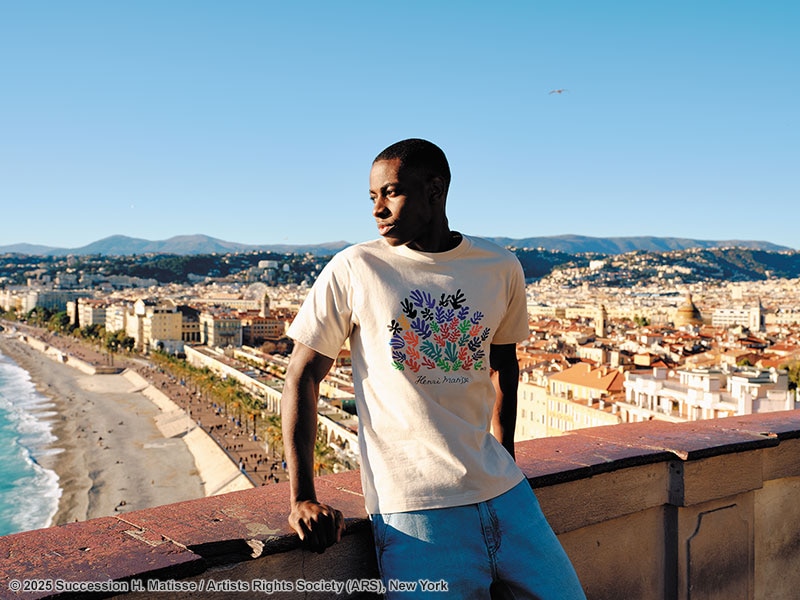
The Sheaf (1953)
As if guided by the rhythm of music, the hand moves and shapes take form. Vividly coloured paper is cut and arranged with boldness and rhythm. This work seems to encapsulate the 'pure beauty of colour' that Matisse relentlessly pursued throughout his life.
Talking about Matisse
Artist Sophie Matisse on her great-grandfather
Q: As an artist yourself, how has Matisse, your great-grandfather, and his legacy influenced your work?
Since I was a very little girl, Matisse has always had a presence in my life. In the beginning, he was a giant subject I did not understand at all. Then, as I grew older, I simply felt overwhelmed and a little frightened of him until those feelings finally subsided. In terms of my own art, I cannot say it's been easy having his presence always felt, so much bigger than life itself. I've often felt irrelevant as an artist because of this connection I have to him. I do feel that he certainly has profoundly influenced my work, especially when it comes to light, colour, and the shape of a line.
Q: While we understand that you did not share in-person time together, does what he left in the family, and the art lineage inform you in a certain way?
Over the years I've discovered more and more about Matisse, even little details about his personality. For instance, I learned that he had a somewhat comical and mischievous side to his personality. This was of great interest to me because it helped me to see him as just a person, a relative who had a place in the family just as I do.
Q: This is UNIQLO's first collection that features Matisse's artwork. What does it mean to you that Matisse's art is featured on T-shirts that will be worn by people around the world?
The family has always been under very strict rules from Matisse himself to not vulgarise his work by commercialising and reproducing his works on everyday objects and everyday clothing. Matisse died in 1954, a profoundly different era than today. Our culture has evolved along with so many other aspects of our modern life today. To see Matisse's works printed onto anything that can be sold of course makes me cringe, but there are exceptions. When I saw how this project with UNIQLO was developing, I very much liked what I saw, and I feel that it's been done with care and done well. It is a big change for the family, but with time comes change and we must adapt to our time.
Q: We did a photoshoot in Nice, France, the place Matisse spent a lot of time in. Is there anything you can share about his life in Nice?
I do feel that the seaside was very special for him, and the light during different parts of the day became a big part of why he enjoyed the South of France so much.

Born in 1965 in Cambridge, Massachusetts, USA, Sophie Matisse is a contemporary artist based in New York. In 1996, she moved to New York and began her career as an artist in earnest. Her reproduction of the Mona Lisa attracted attention in the art world and marked the beginning of her career. Although influenced by her great-grandfather Henri Matisse, she is breathing new life into the art world with her unique expression and perspective.
Discovering Matisse
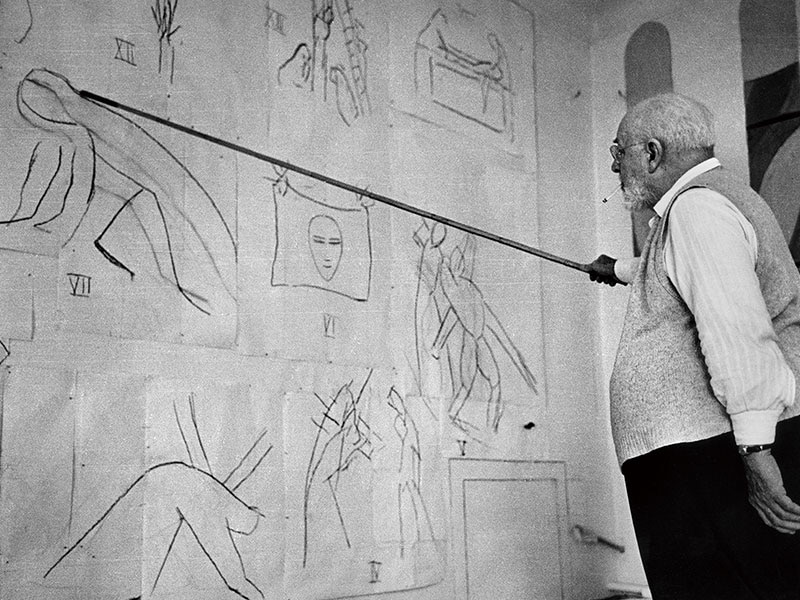
Robert Capa/International Center of Photography/Magnum Photos/aflo
From lawyer to painter
Henri Matisse was born on December 31st, 1869, in Le Cateau-Cambrésis, France, the eldest of three siblings. After graduating from high school, he moved to Paris to study law and began working at a law firm. However, at the age of 20, a pivotal moment arrived. During a prolonged period of illness, his mother gifted him a set of paints, sparking his passion for art. From that point onward, he resolved to pursue a career as a painter and enrolled in the local art school. Yet, despite his determination, he failed the entrance exam for the National School of Fine Arts four times. At 25, he finally succeeded, marking the official birth of Henri Matisse as an artist. At 28, he married and became a father of three. His youngest son, Pierre Matisse, would later become the grandfather of Sophie, interviewed above.
Gaining recognition
In 1905, at the age of 35, Matisse, alongside fellow artists, settled in the fishing village of Collioure near the Spanish border, where he immersed himself in his work. Inspired by the Mediterranean light and landscape, Matisse began exploring new directions, using vibrant colours and vigorous brushwork. During this period, Woman with a Hat (1905), with its bold colour choices and patchwork-like composition, sparked controversy for its departure from artistic norms. This marked the birth of Fauvism (“Wild Beast" movement). Yet, within a few years, many artists shifted towards Cubism, while Matisse remained dedicated to creating works with simplified compositions and an emphasis on colour. In 1909, at 39, he was commissioned by a Russian collector to create a preparatory sketch for Dance (I), This work became significant both for Matisse himself and for its influence on later abstract art.
Moving to Nice
In 1917, at the age of 48, Henri Matisse moved to Nice, in the south of France, where he fully immersed himself in his work, creating numerous paintings of female figures and interior scenes, including the iconic Odalisque series. In his later years, a profound transformation occurred in Matisse's life. After suffering a serious illness that left him physically debilitated, he turned from painting to scissors, pioneering the revolutionary technique of paper cut-outs. In 1947, he published Jazz, a book that exemplified his mastery of this new form, and contributed to the design of the Chapel of the Rosary in Vence. Matisse continued to create until his death on November 1st, 1954, at the age of 84, completing over 40 cut-outs, including the Blue Nudes series and the monumental The Sadness of the King.
Exploring the Matisse heritage
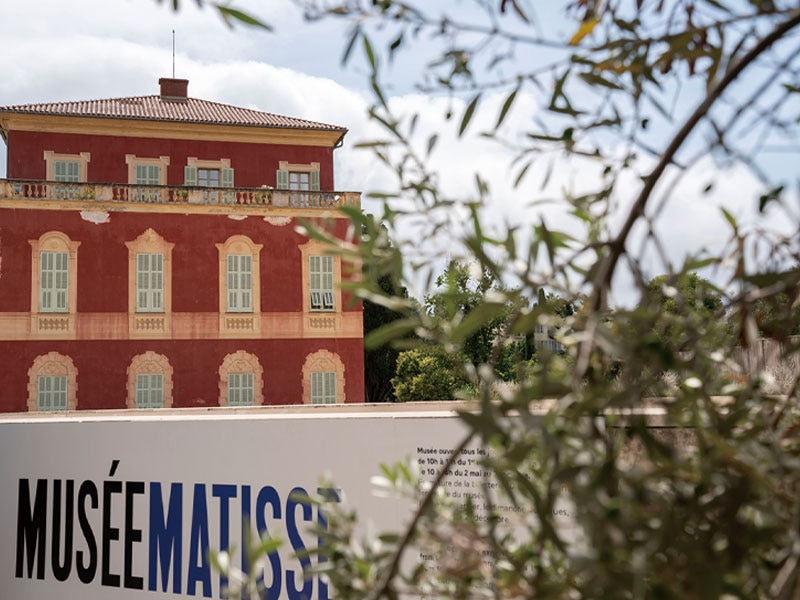
Musée Matisse
The Matisse Museum in Nice is dedicated to preserving and celebrating the life and legacy of Henri Matisse. The museum's exceptional collection spans the entirety of Matisse's career, offering an unparalleled insight into his artistic evolution and groundbreaking innovations. The museum holds over a hundred personal objects collected by Matisse himself, many of which appear in his paintings, along with numerous works donated by his family. Covering Matisse's entire creative period, it houses nearly all of his sculptures. Beyond preserving his legacy, it inspires new generations, deepening appreciation for his visionary work and ensuring his influence transcends time and borders. The museum remains committed to expanding its collection and advancing scholarship on Matisse's life, work, and artistic context.
164, avenue des Arènes de Cimiez 06000 Nice, France
https://www.musee-matisse-nice.org/en/
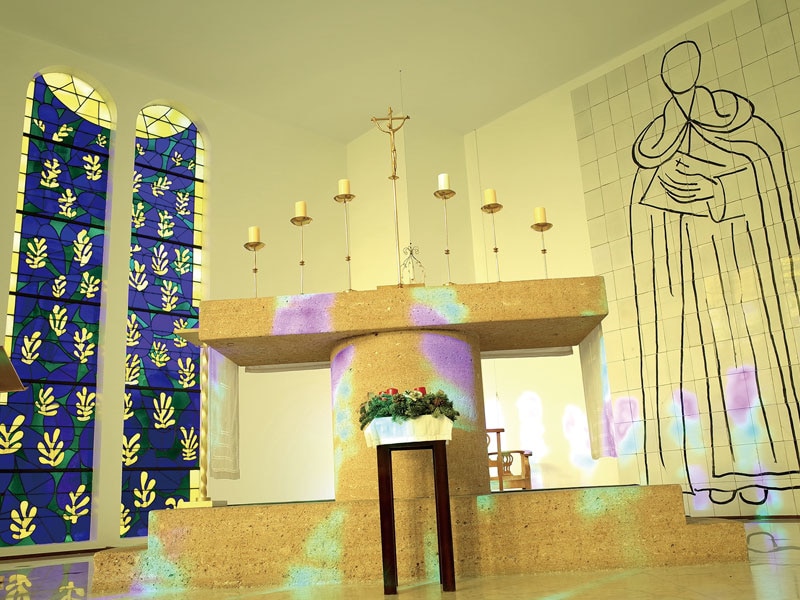
Chapelle du Rosaire à Vence
The Chapelle du Rosaire à Vence is a masterpiece in which Matisse was involved in everything from design and interior decoration, to the creation of ceremonial garments. Matisse described the chapel as 'the culmination of my entire life's work'. This chapel is an artistic marvel, featuring tiled wall murals and magnificent stained-glass windows that immerse visitors in a world of art.
466, avenue Henri Matisse, 06140 Vence, France
http://chapellematisse.com
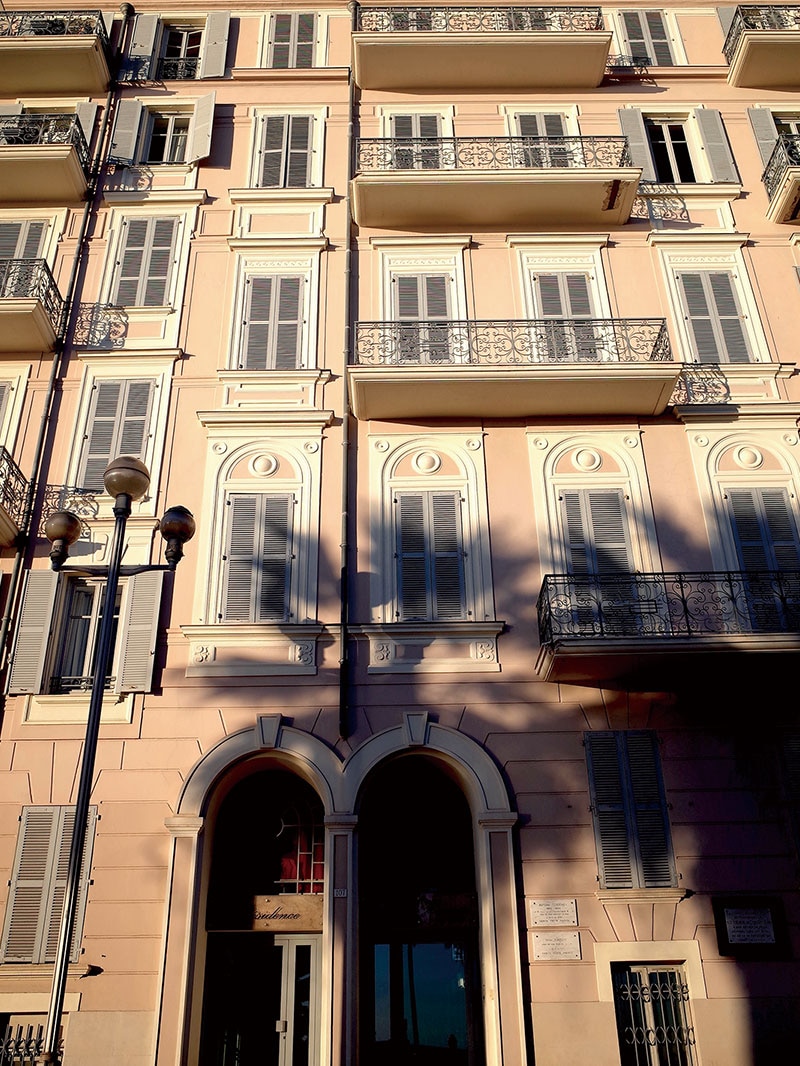
Hôtel Beau Rivage
In December 1917, Matisse visited Nice for the first time and stayed at this hotel for several months. During this stay, he was deeply captivated by the light and colours of Nice, which sparked his passion for the expression of colour.
24, rue Saint-François de Paule 06300 Nice, France
https://www.hotelnicebeaurivage.com
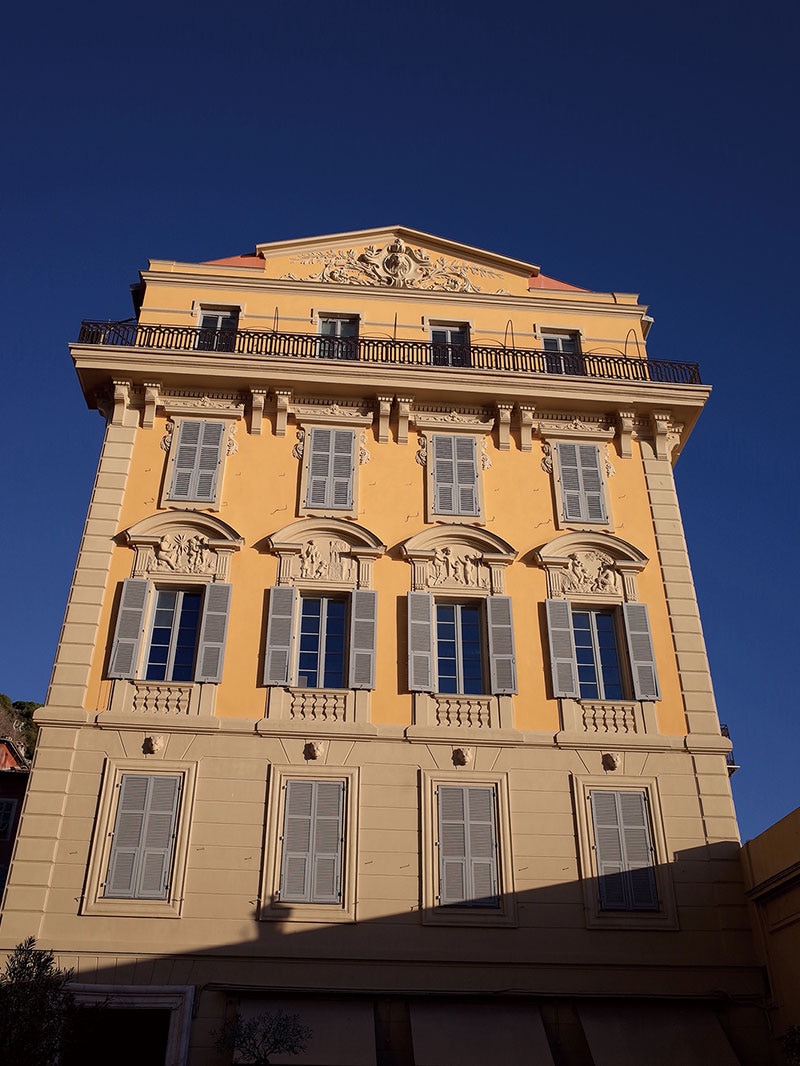
Palais Caïs de Pierlas
An apartment where Matisse lived from 1921 to 1938. The vibrant market held at the Place Saleya, just in front of the building, with its colourful display of flowers, fruits, and vegetables, became part of Matisse's daily life. It was here that he created his Odalisque series.
1, place Charles-Félix, 06300 Nice, France
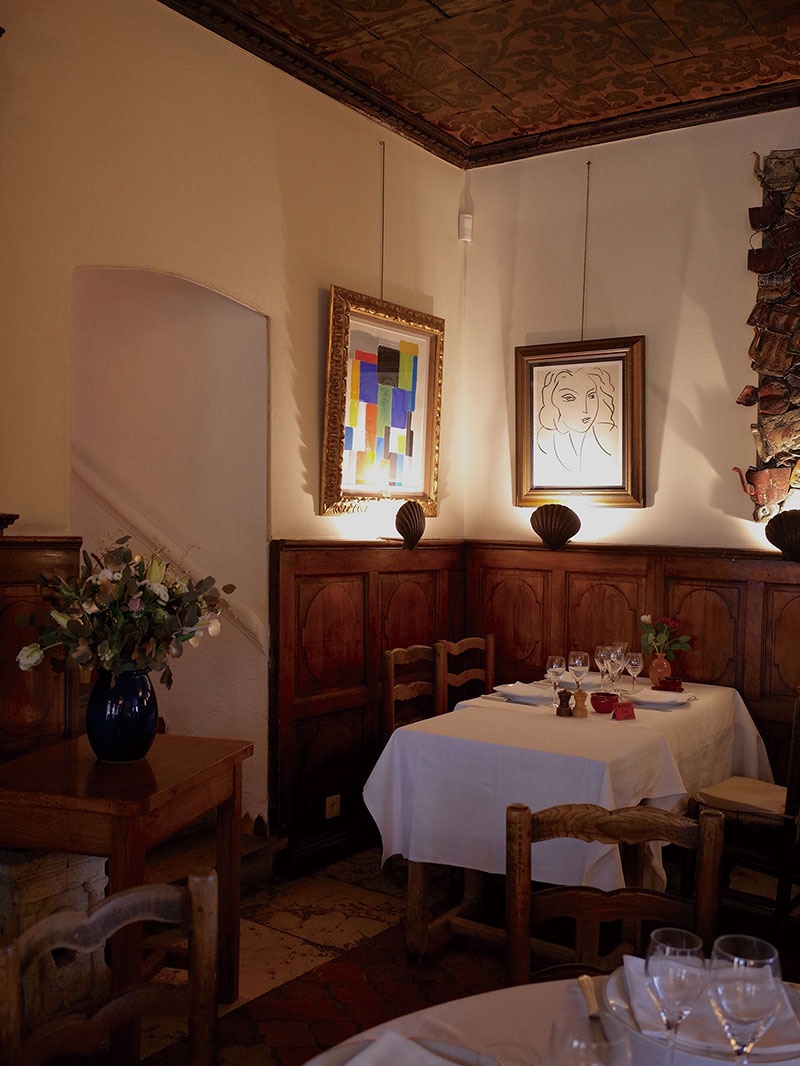
La Colombre d'Or
A restaurant beloved by artists and philosophers, including Matisse and Picasso, served as a gathering place for creativity and exchange. Matisse spent many hours here, and a portrait of a woman he painted remains on display.
Place du Général de Gaulle 06570, St. Paul de Vence, France
https://www.la-colombe-dor.com
© 2025 Succession H. Matisse / Artists Rights Society (ARS), New York