
HEATTECH Clothing Donation and Origami Workshop Held in Moldova
Nov 07, 2024
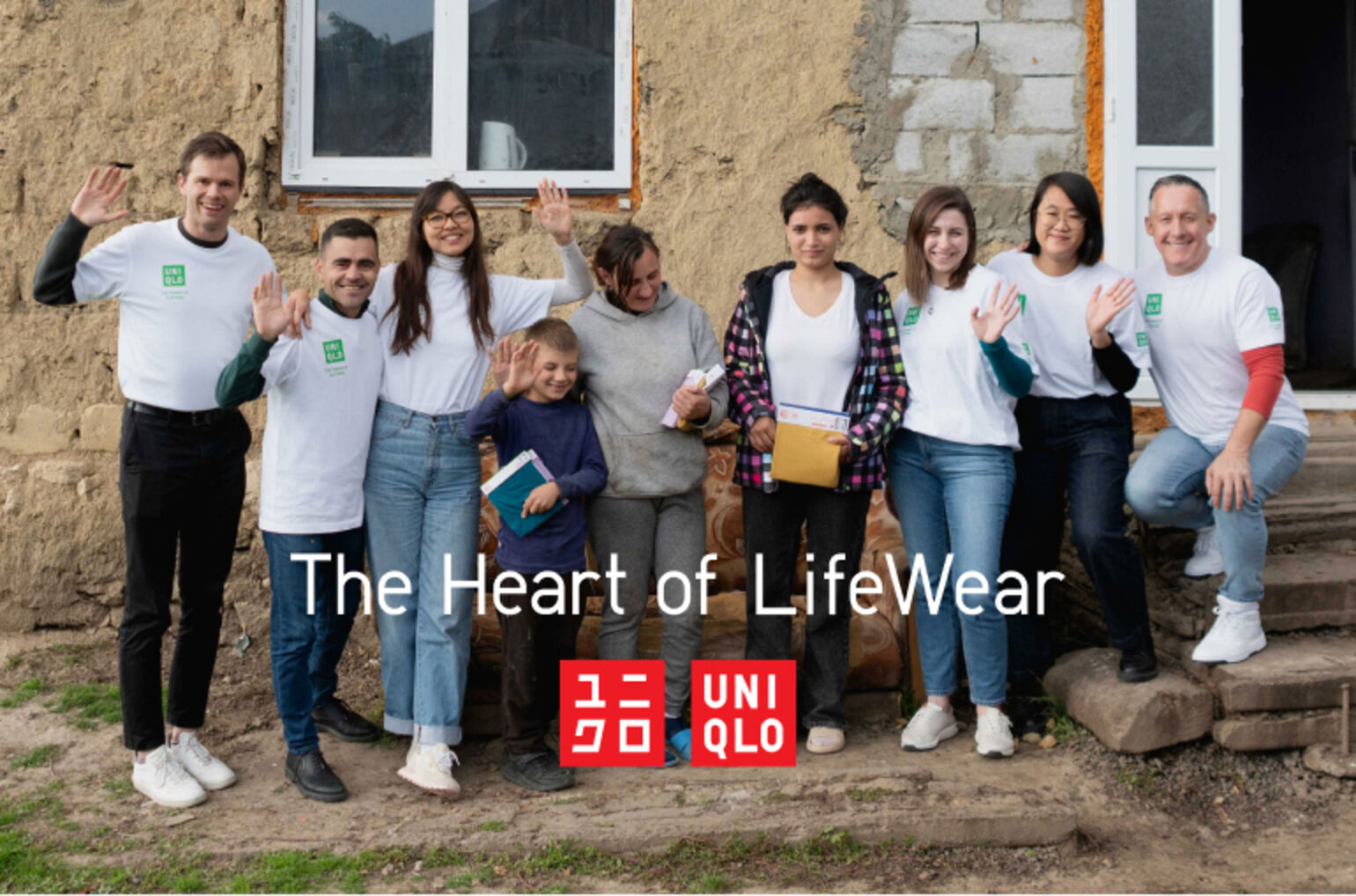
Heart of LifeWear
This year, UNIQLO will donate 1 million pieces of HEATTECH or AIRism clothing to refugees and the communities around the world who need it most. This clothing donation is part of the What Makes Life Better? initiative.
This year from October 14-17th, UNIQLO undertook a mission in Moldova to support vulnerable people and refugees who have been affected by the ongoing crisis in Ukraine. Despite being one of Europe’s smallest and poorest nations, Moldova has welcomed over 1 million Ukrainian refugees. The country faces numerous challenges and limited resources, such as an ageing population, a high proportion of individuals with disabilities, and many families coping with severe medical issues. To date, Moldova continues to host over 100,000 refugees from Ukraine.
Collaborating with long-term partner Goods for Good and local partner on the ground Hope4, UNIQLO donated pre-loved clothing and HEATTECH thermals ahead of the cold winter, focusing on assisting vulnerable people and refugees, especially women and children from Ukraine.
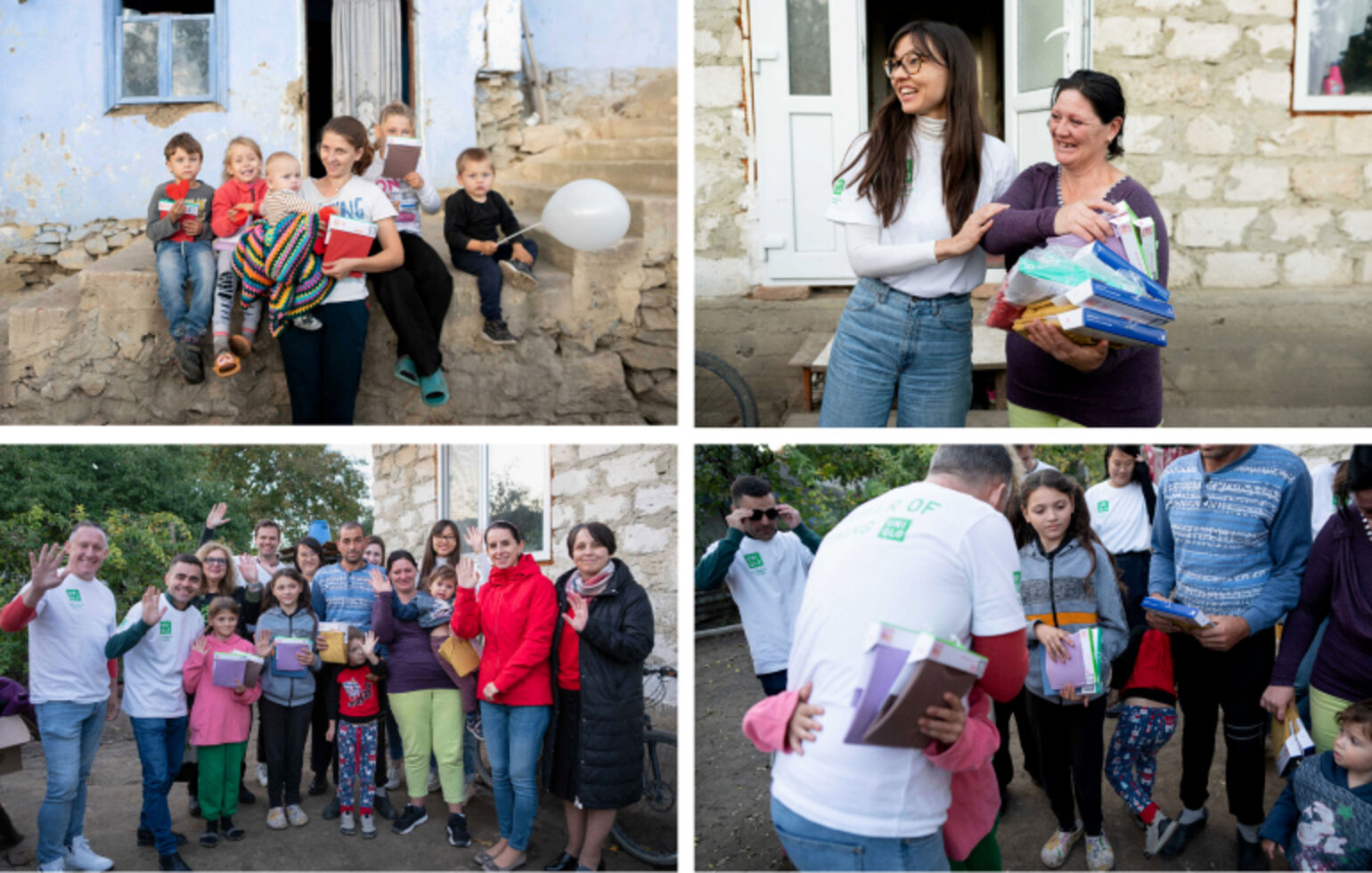
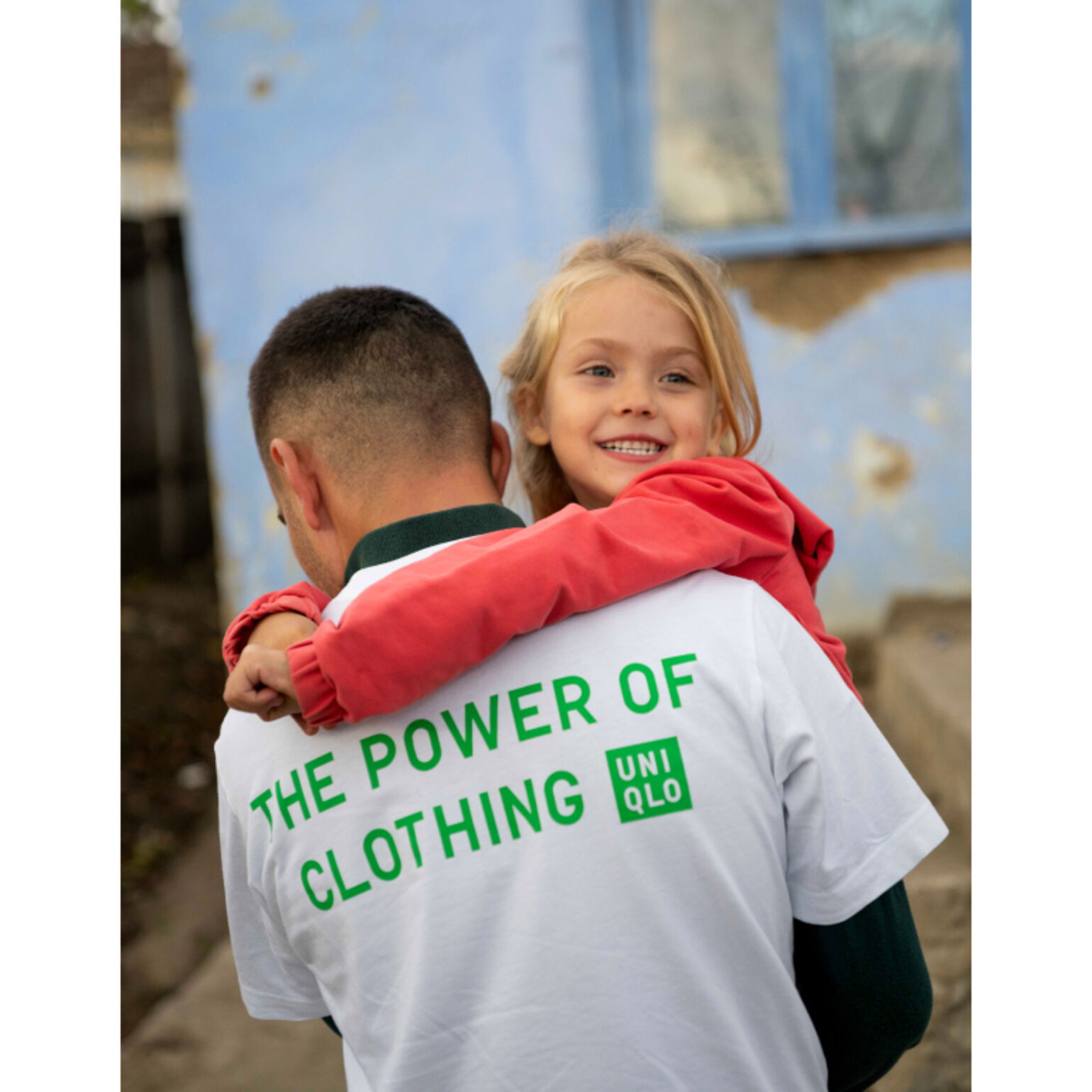
During the mission, UNIQLO and local volunteers engaged in various activities and held origami workshops with children. Day one was dedicated to clothing donation and sorting at the Hope4 warehouse, ensuring that aid reached those in need efficiently. The teams visited refugee centres and orphanages, providing direct support and aid packages. On the second day, refugee families could pick up donations at the warehouse, where we reached more than 1,000 people in just one day. The final day focused on families living in remote areas, emphasising the importance of care for vulnerable children and their parents.
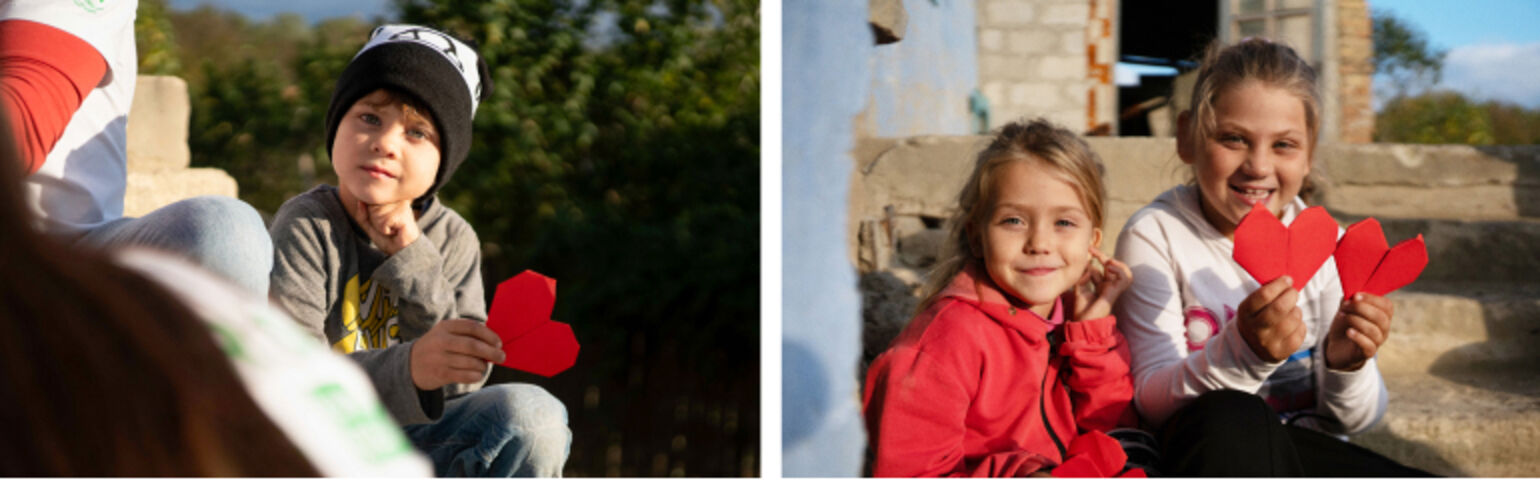
Family living in Tiganesti
UNIQLO’s initiative underscores the urgent need for support in Moldova, aiming to alleviate some of the burdens faced by its residents, particularly the refugee population.
Since February 2022, more than 6 million people in Ukraine have been forced to flee their homes, becoming one of the largest human displacement crises in the world today. Some 3.6 million people have been internally displaced, are estimated to be stranded in affected areas, or are unable to leave due to heightened security risks.
TOP