

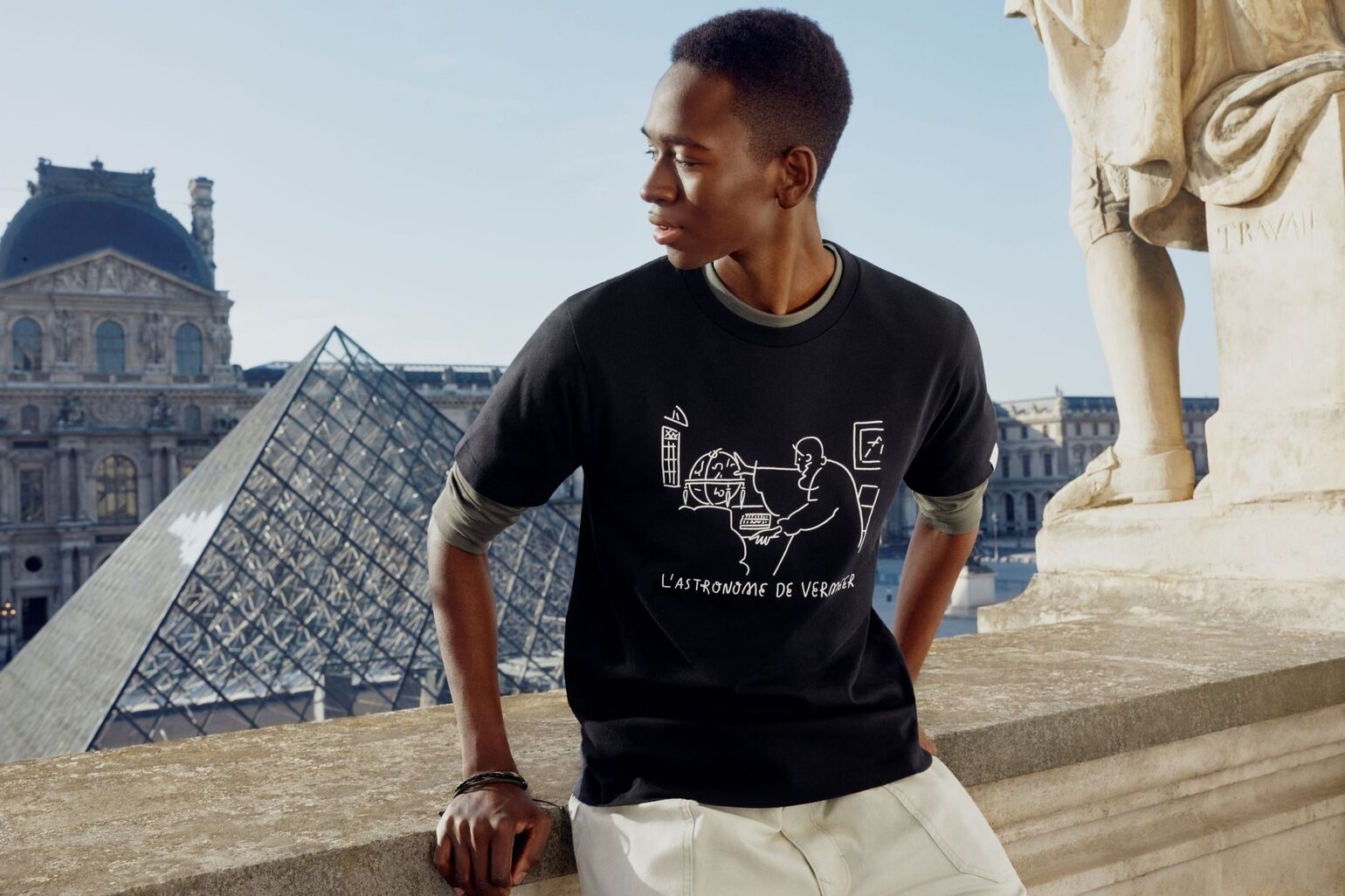
Fascinating facts about three world-famous artworks
Mar 30, 2022
LifeWear
Rediscover three masterpieces featured at the Musée du Louvre in Paris
The Mona Lisa
With an enigmatic smile and eyes that seem to follow your every move, the Mona Lisa is without a doubt the world’s most famous painting. Reinterpreted time and time again in art and pop culture, she never fails to intrigue and to inspire. But what makes her so special?
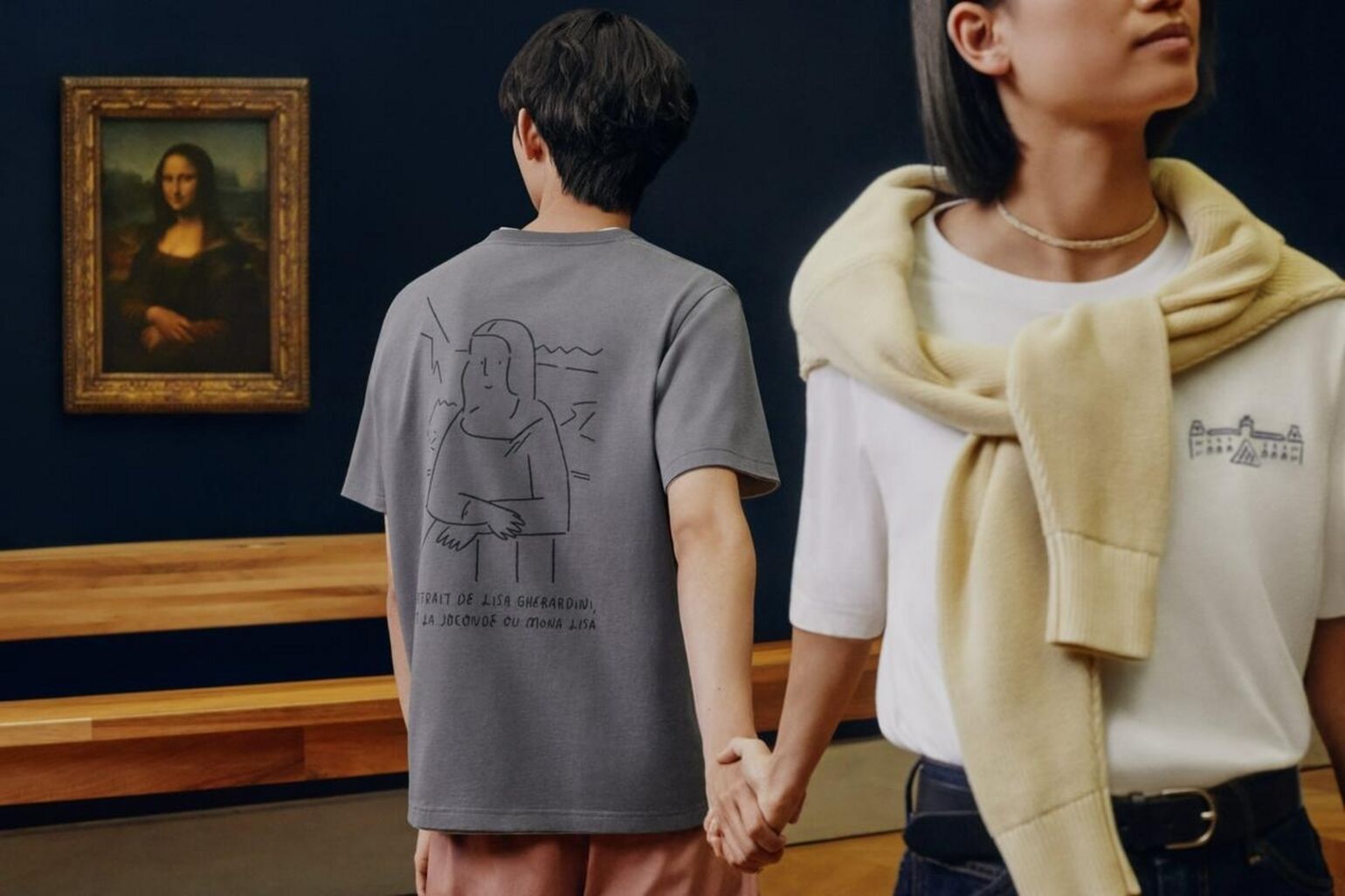
Musée du Louvre par Yu Nagaba Graphic UT T-Shirts
When Leonardo da Vinci painted the portrait of Lisa Gherardini (also known as Mona Lisa) at the beginning of the 16th century, he introduced new techniques and details. Although it is not the first time it had been used, her facial expression is quite unconventional compared to other portraits of the same period. Her graceful features are a door to the her feelings. Inspired by Flemish portraits, her three-quarter pose in front of a balustrade is far from static, thanks to the use of the “sfumato”. This painting technique was popular amongst Italian Renaissance painters. Softening the transitions between colours, light, and shadow, it brings life to the Mona Lisa’s smile and pose in a unique way.
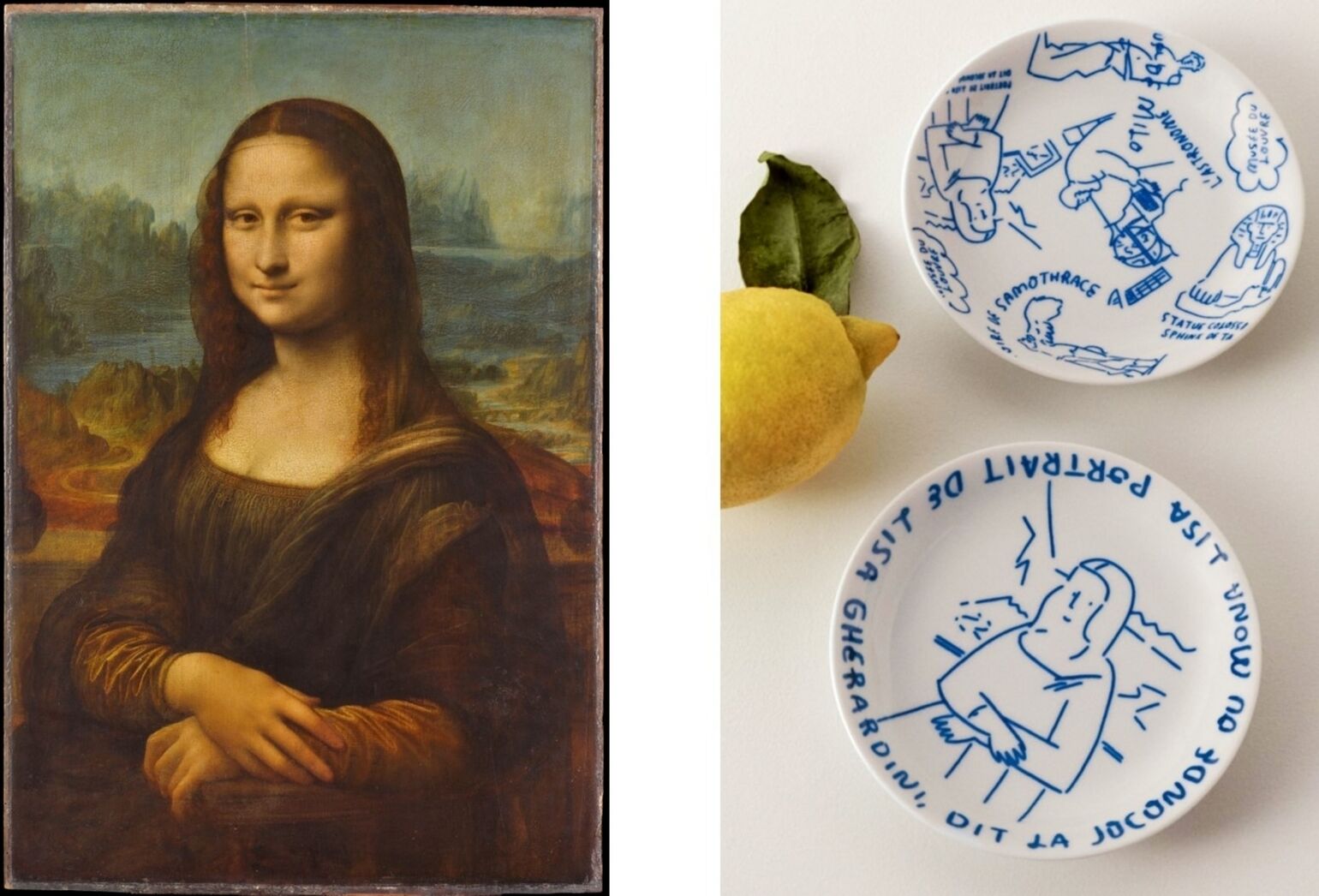
UT designs inspired by:
Mona Lisa – Portrait of Lisa Gherardini, wife of Francesco del Giocondo, Leonardo da Vinci, c. 1503-1519
© Musée du Louvre
View the Mona Lisa as reinterpreted by contemporary artist Yu Nagaba
The Victory of Samothrace
This masterpiece of Hellenistic art is amongst the most famous sculptures featured in the Louvre Museum. Standing proudly, the winged, headless figure represents Niké the Greek goddess of victory. Did you know it is one of the few Greek sculptures for which the exact original location has been identified?
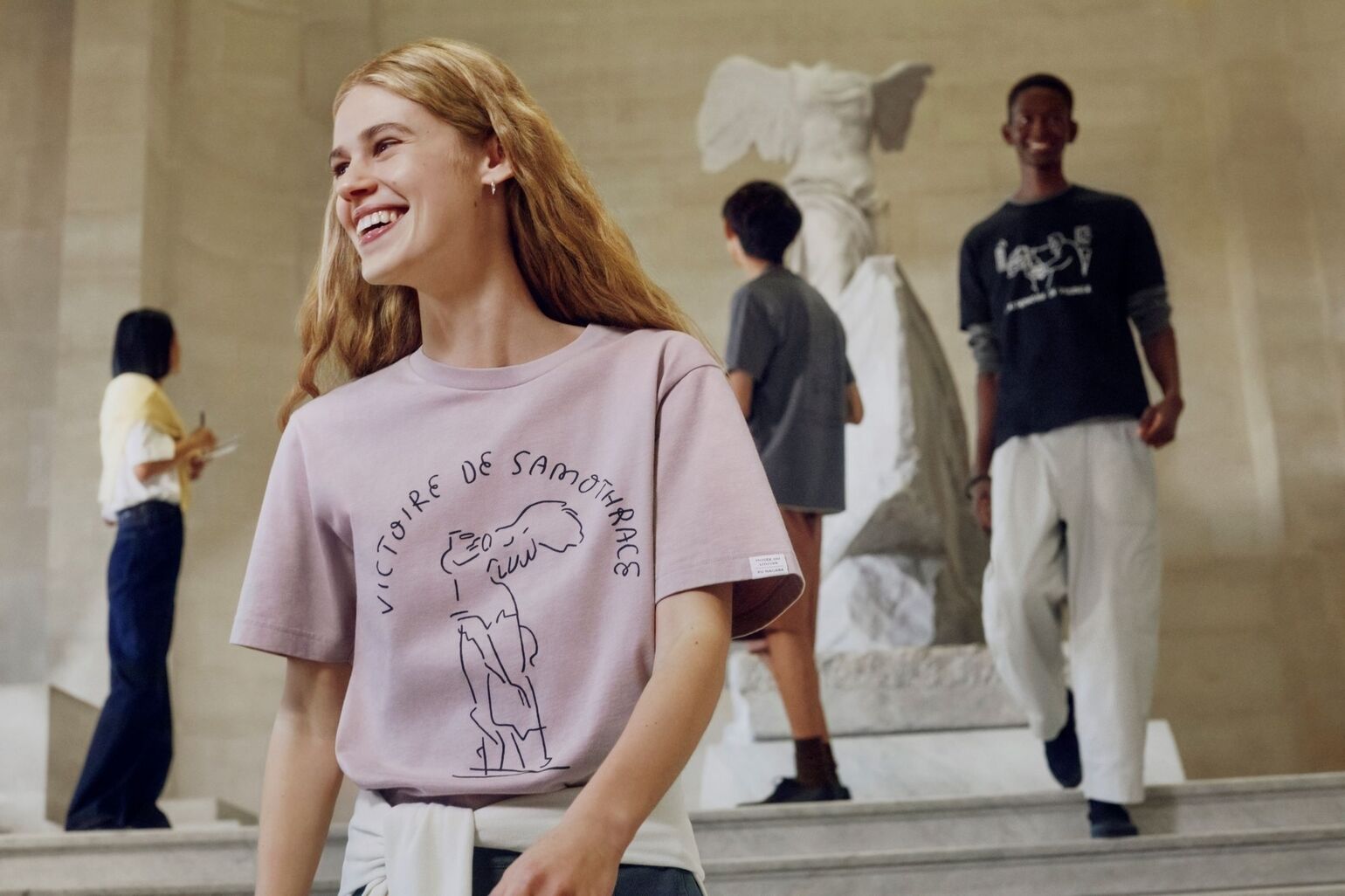
Musée du Louvre par Yu Nagaba UT Graphic T-Shirt
Back in 1863, the French diplomat Charles Champoiseau made a discovery on the Greek Island of Samothrace: a broken marble sculpture that was missing some parts. Although fragments have been found since, the head and arms are still missing. The Victory of Samothrace is an “ex-voto” or more simply, an offering to a saint or divinity. It is said that it was commissioned to celebrate the success of a naval battle and to thank the gods of the island.
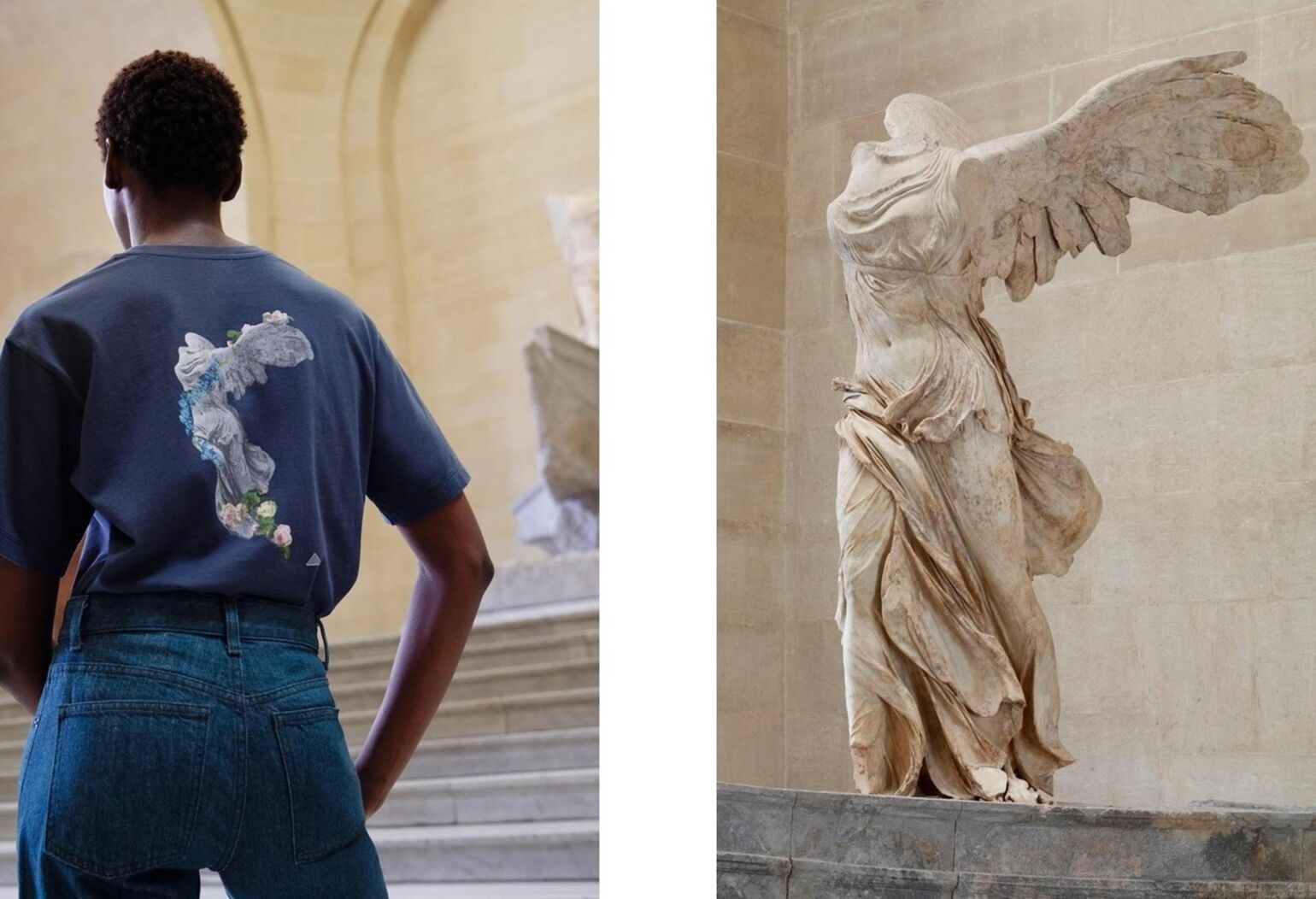
UT designs inspired by:
The Winged Victory of Samothrace, Hellenistic Art, c. 190 BC, Island of Samothrace (northern Aegean)
© Musée du Louvre
View the new Musée du Louvre par Yu Nagaba UT collection
The Venus de Milo
Instantly recognisable, thanks to her missing arms and graceful silhouette, the Venus de Milo is a masterpiece of Greek art. Estimated to be from the Hellenistic period (c. 150 - 120 BC), she was named after the Greek Island of Milo, where she was found in 1820. Her lack of arms made her identification challenging. Do you know why?
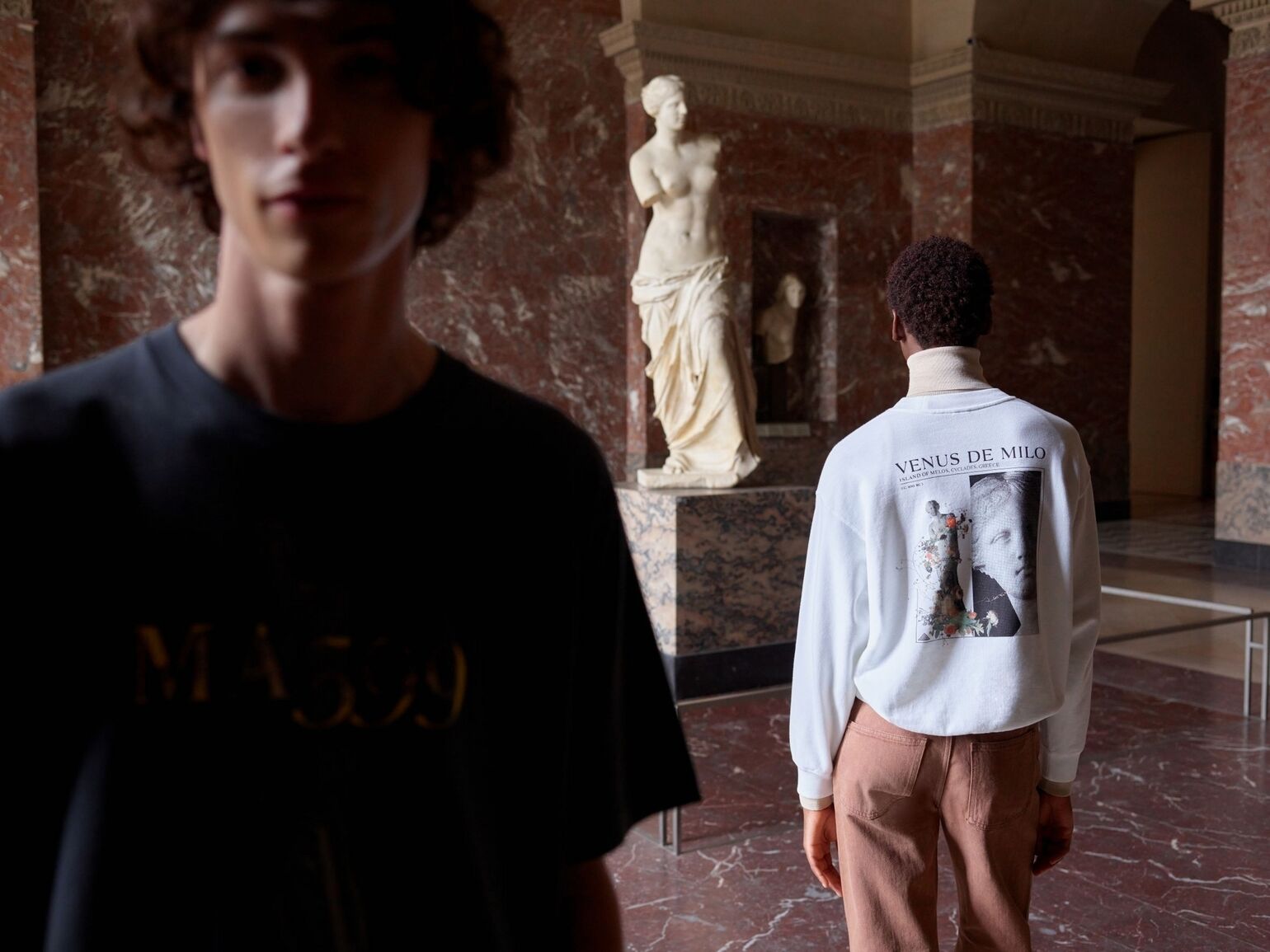
Musée du Louvre UT Graphic Sweatshirt
Often, historians and specialists can figure out which god or goddess is represented by analysing their hands. They might hold specific objects or have details symbolising which deity they are representing. Hence the challenge! Due to the sculpture's partially dressed state, voluptuous silhouette, and jewellery, she was eventually identified as representing Aphrodite, Greek goddess of beauty, also known as Venus, in Roman mythology.
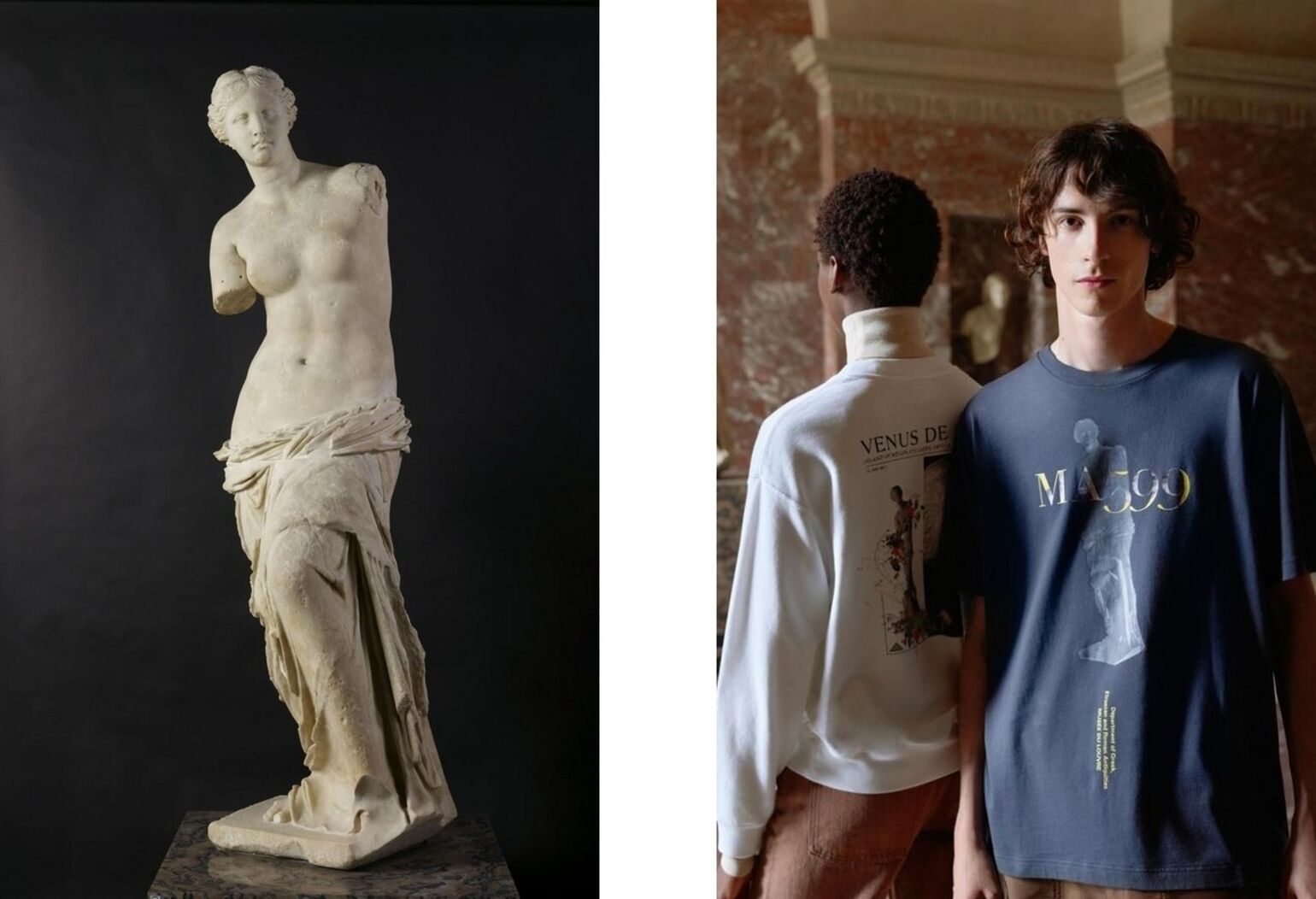
UT designs inspired by:
Aphrodite, known as the "Venus de Milo", Hellenistic Art, c. 100 BC, Island of Melos (Cyclades, Greece)
© Musée du Louvre, Dist. RMN-Grand Palais, Anne Chauvet
View the new Musée du Louvre par Yu Nagaba UT collection
About UNIQLO and Musée du Louvre
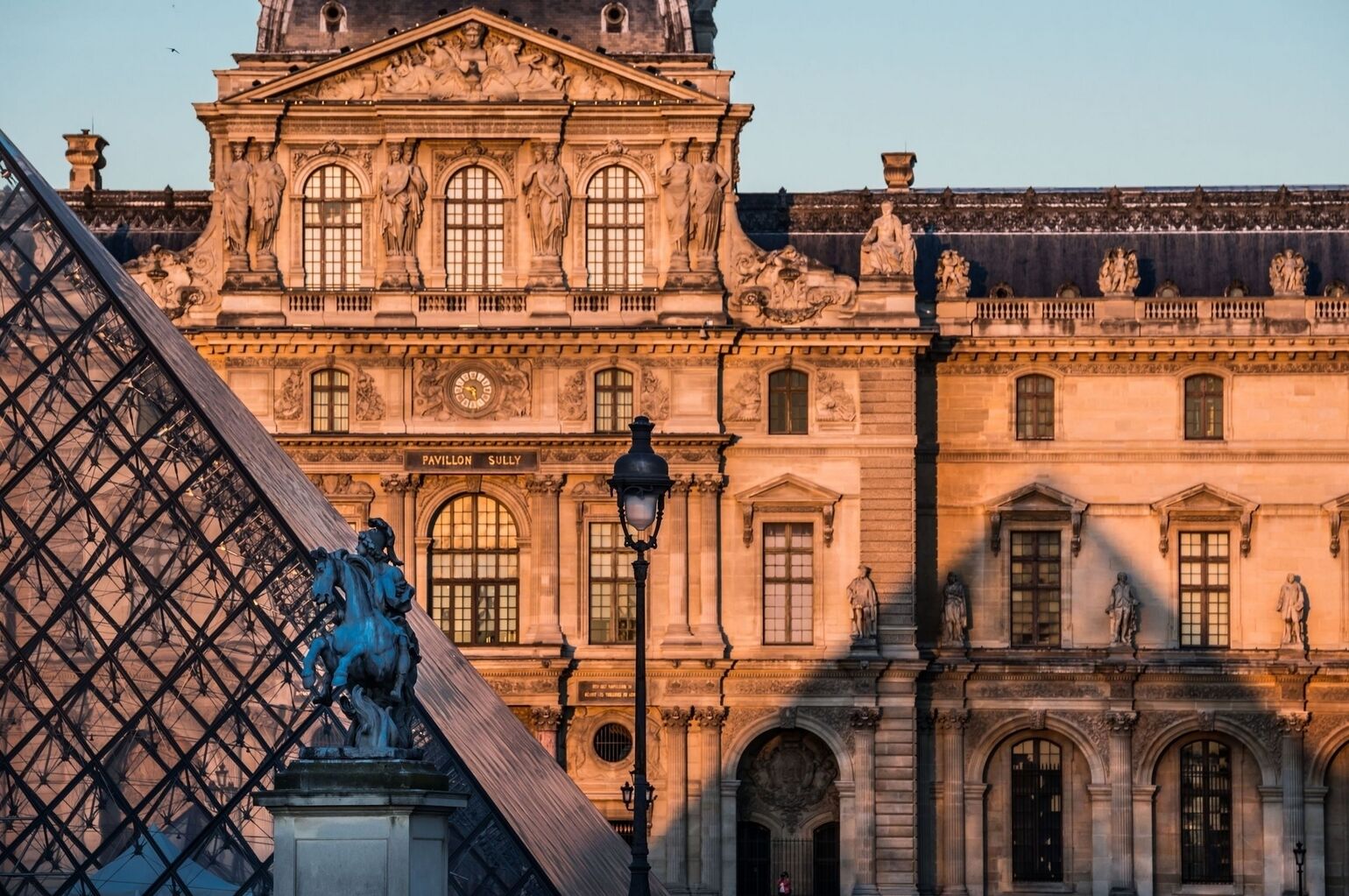
In 2021, UNIQLO began a four-year partnership with the Musée du Louvre. Not only does it involve the creation of UT collections, but also the support of educational programs such as a family-friendly guided tour of the museum called the Mini Discovery.
Home to 35,000 artworks spanning 9000 years and five continents, the former royal palace is the world’s most visited museum. Built as a fortress in the late 12th century, it was turned into a museum in 1793. We had the chance to select masterpieces featured in its galleries to create our UT collections. On April 11th, rediscover them in new designs created by the contemporary artist Yu Nagaba.
TOP