
Supporting Refugees With MADE51
Aug 06, 2021
LifeWear
Learn more about the new UNIQLO in-store initiative
Since 2020, we have supported MADE51's refugee self-reliance program, helping to raise brand awareness and support for refugees as they earn a living for themselves and their families.
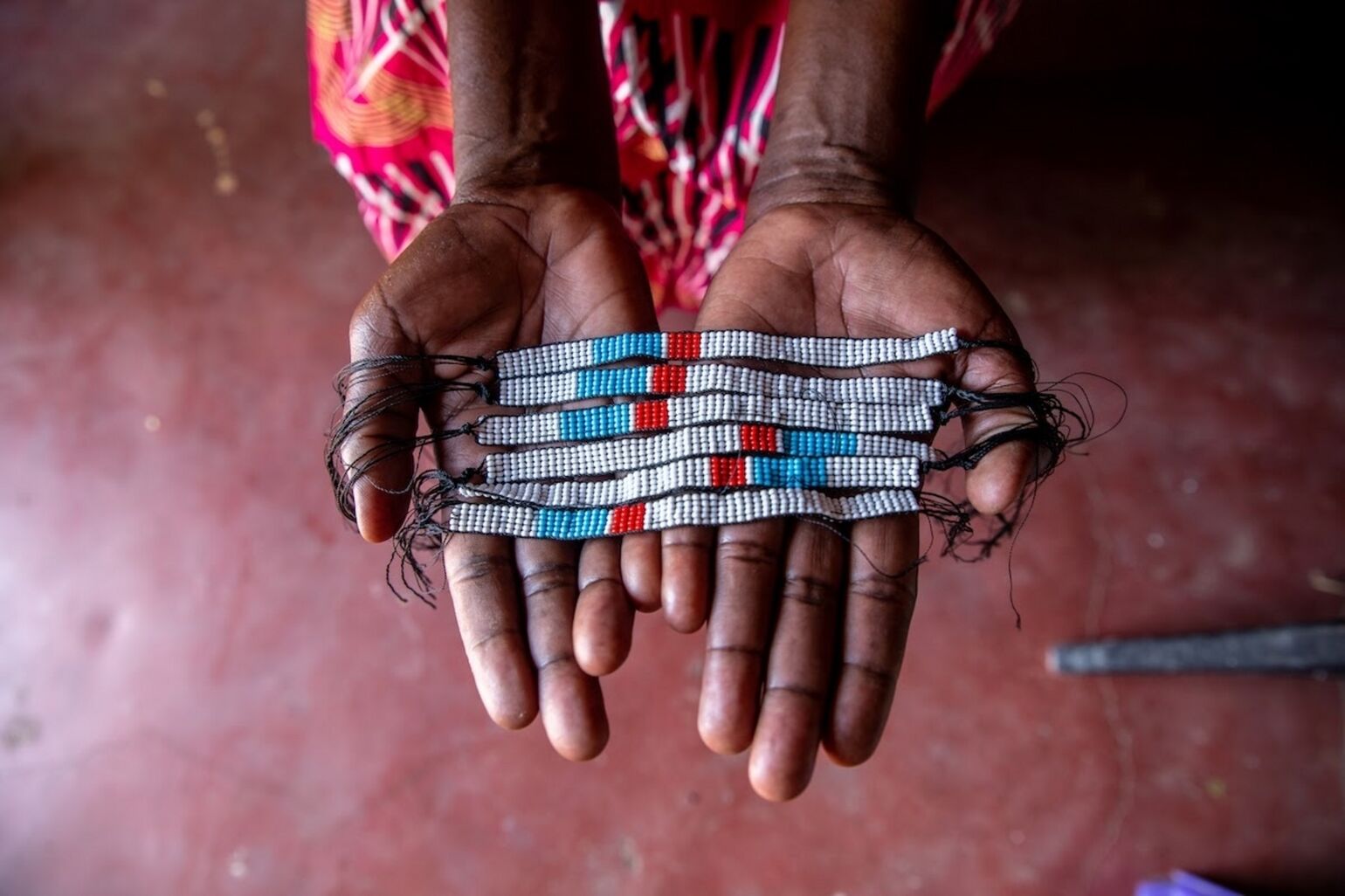
Part of this support includes a new in-store initiative for those customers who participate in our RE.UNIQLO recycling programme. Those customers who bring clothes to a UNIQLO store to be donated and recycled will receive a handmade bracelet made by refugees supported by the MADE51 programme.
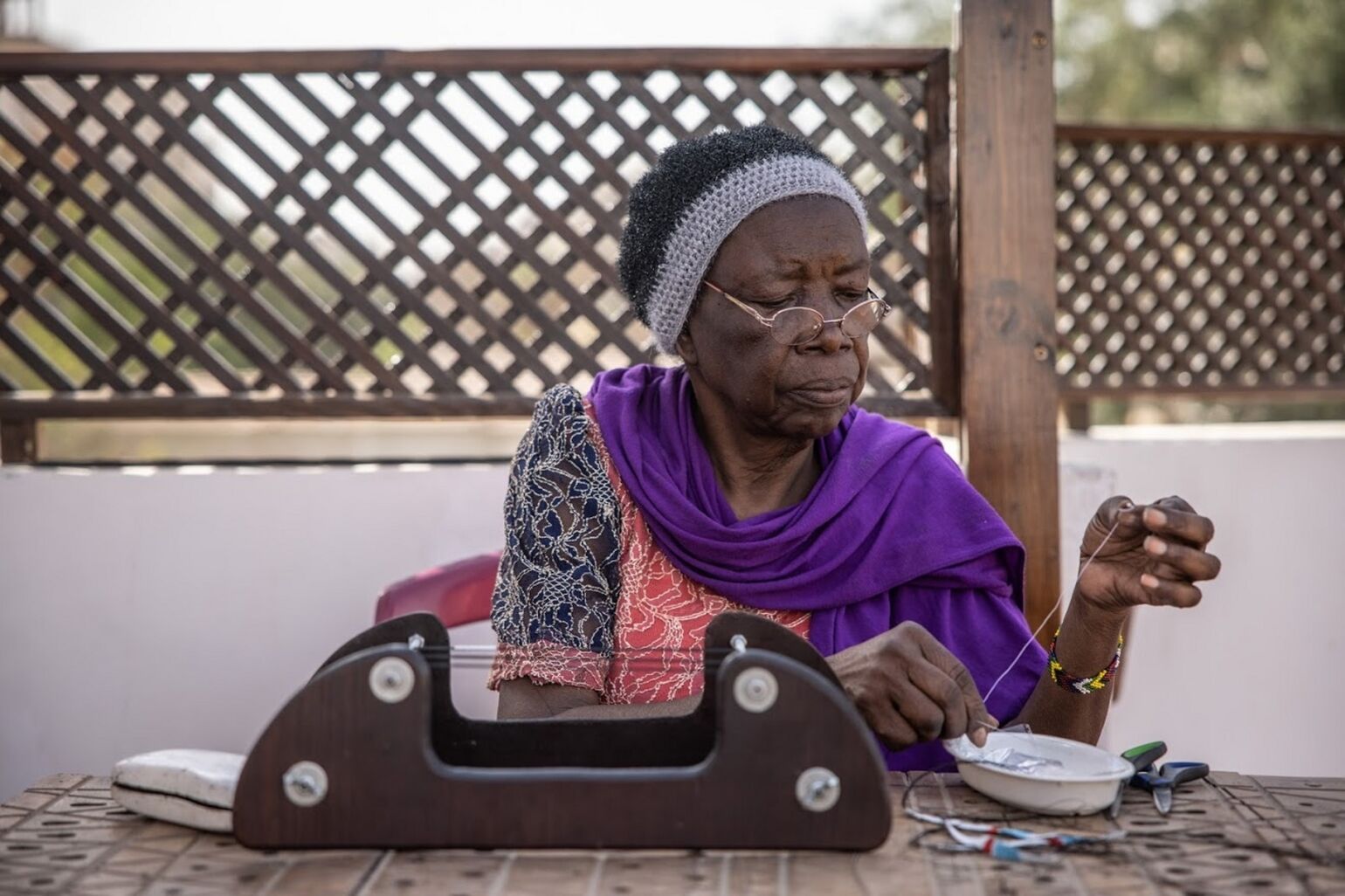
The artisans involved in producing these bracelets are mainly from South Sudan.
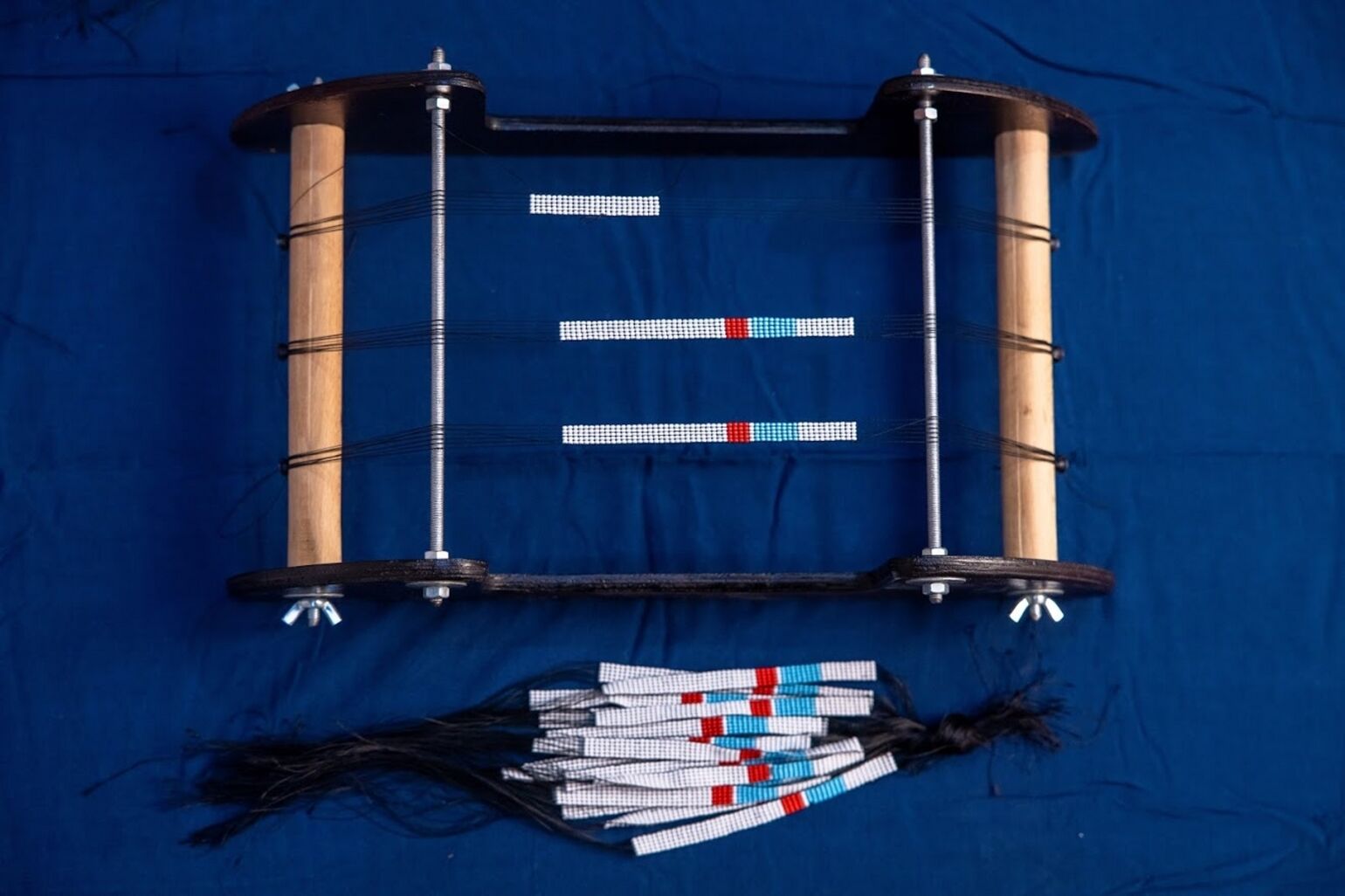
South Sudan has a strong beading tradition and they are masters of the craft. The loom technique they are learning to use is a new skill, which allows the artisans to weave beads into precise patterns.
The flat, cloth-like strips that are made on the loom can be incorporated into clothing and accessories or, for larger pieces, can be used as artwork in their own right.
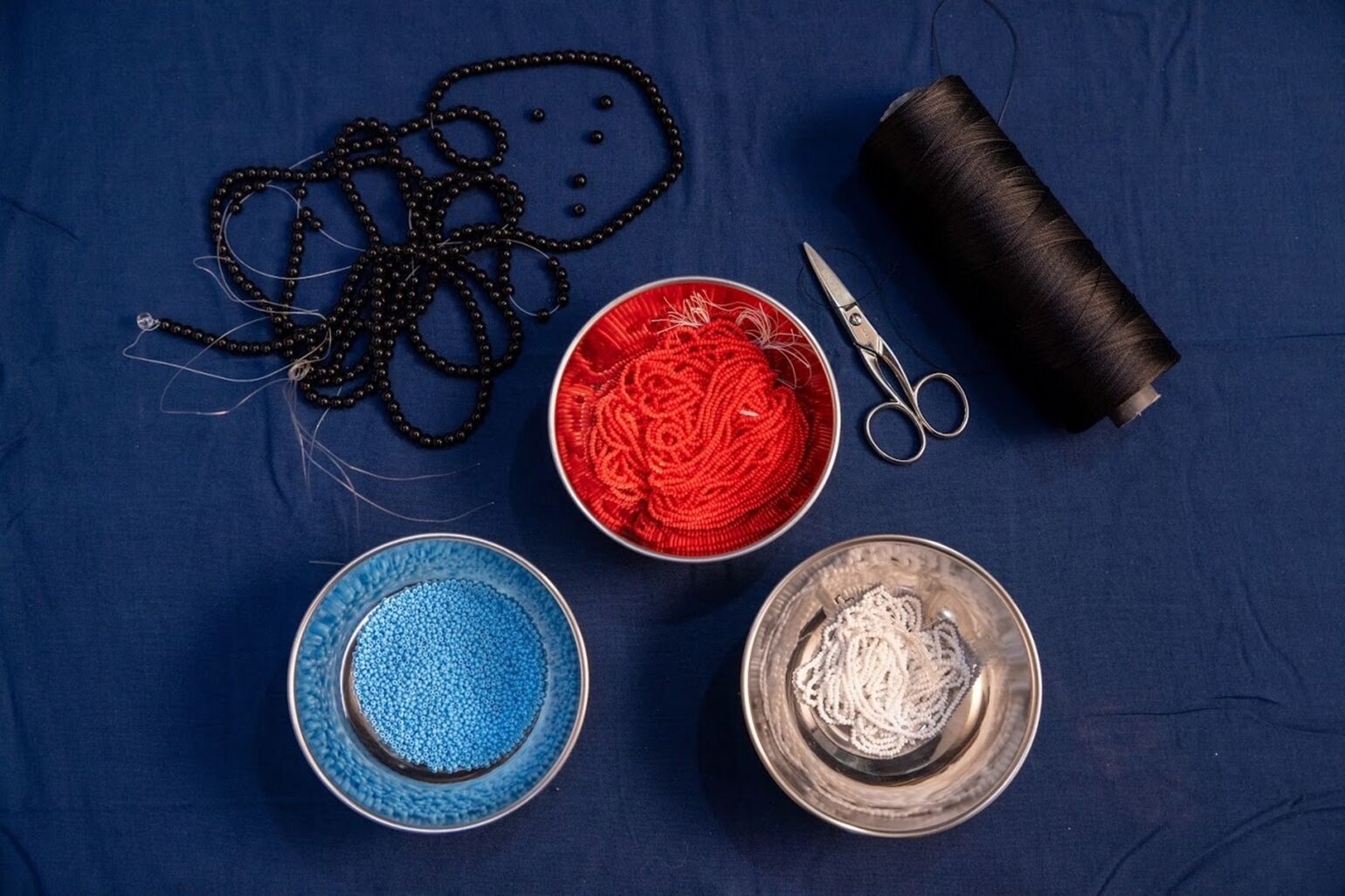
Beading has a long history in Eastern Africa, with some citing evidence that beads as old as 12,000 years have been found in the desert in Sudan. Early beads were made of materials like bone, clay, or stone. By the 4th century, glass beads were being made in Africa, eventually becoming the most common material for beadwork.
To this day, beadwork is a rich art that is practiced throughout East Africa. Beading is a meticulous craft and differences in techniques and patterns are associated with differences in ethnicities and religions.
Colours carry meaning: depending on the group, they can denote the age, marital status and/or social station of their wearer.
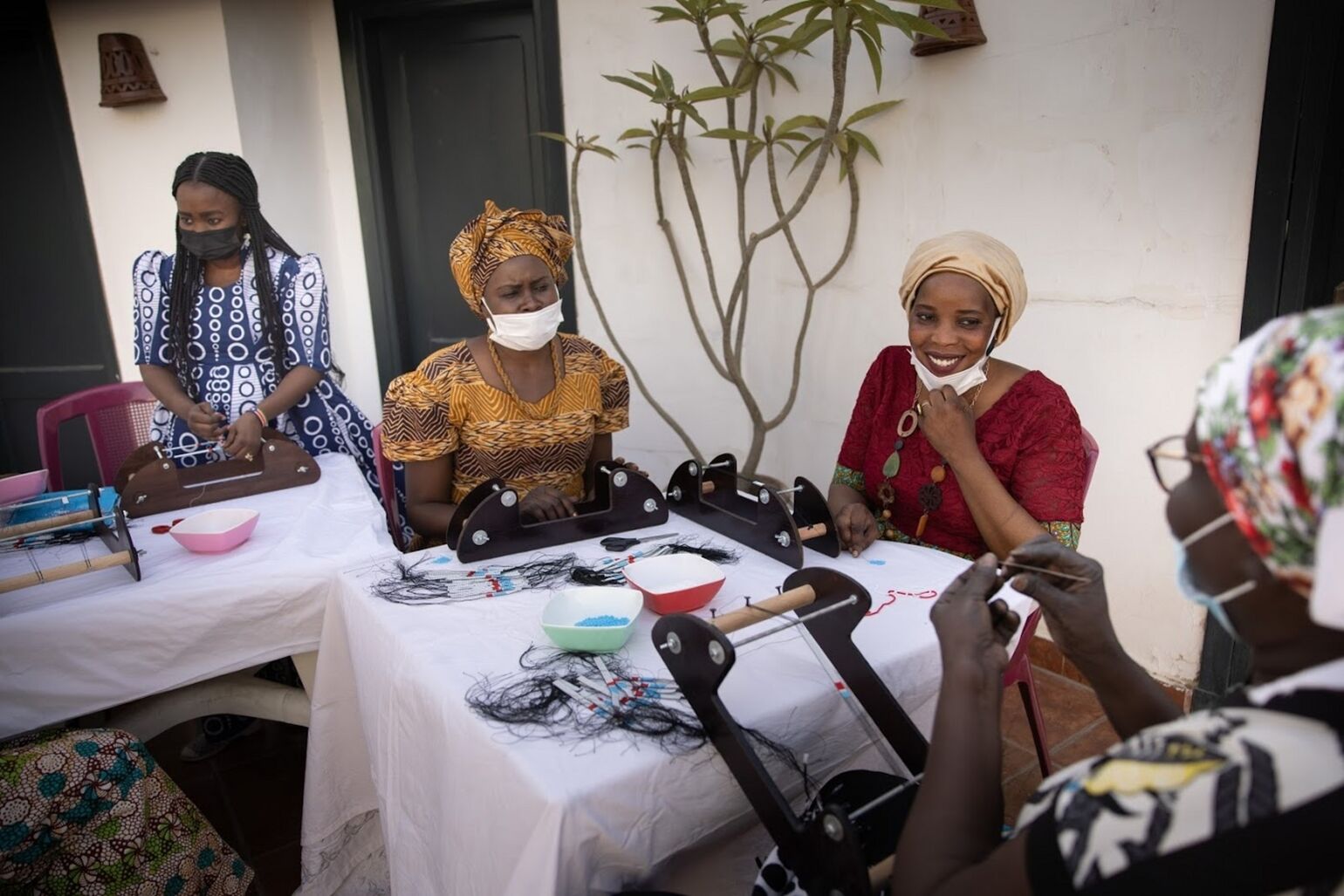
Artisanal work can bring women together, which can have profound benefits that range from psycho-social support – artisan work is often used as a form of therapy – to skills development. One refugee artisan from a group in Egypt, explained, “working in a group is very important and very beautiful because I gain new experience.”
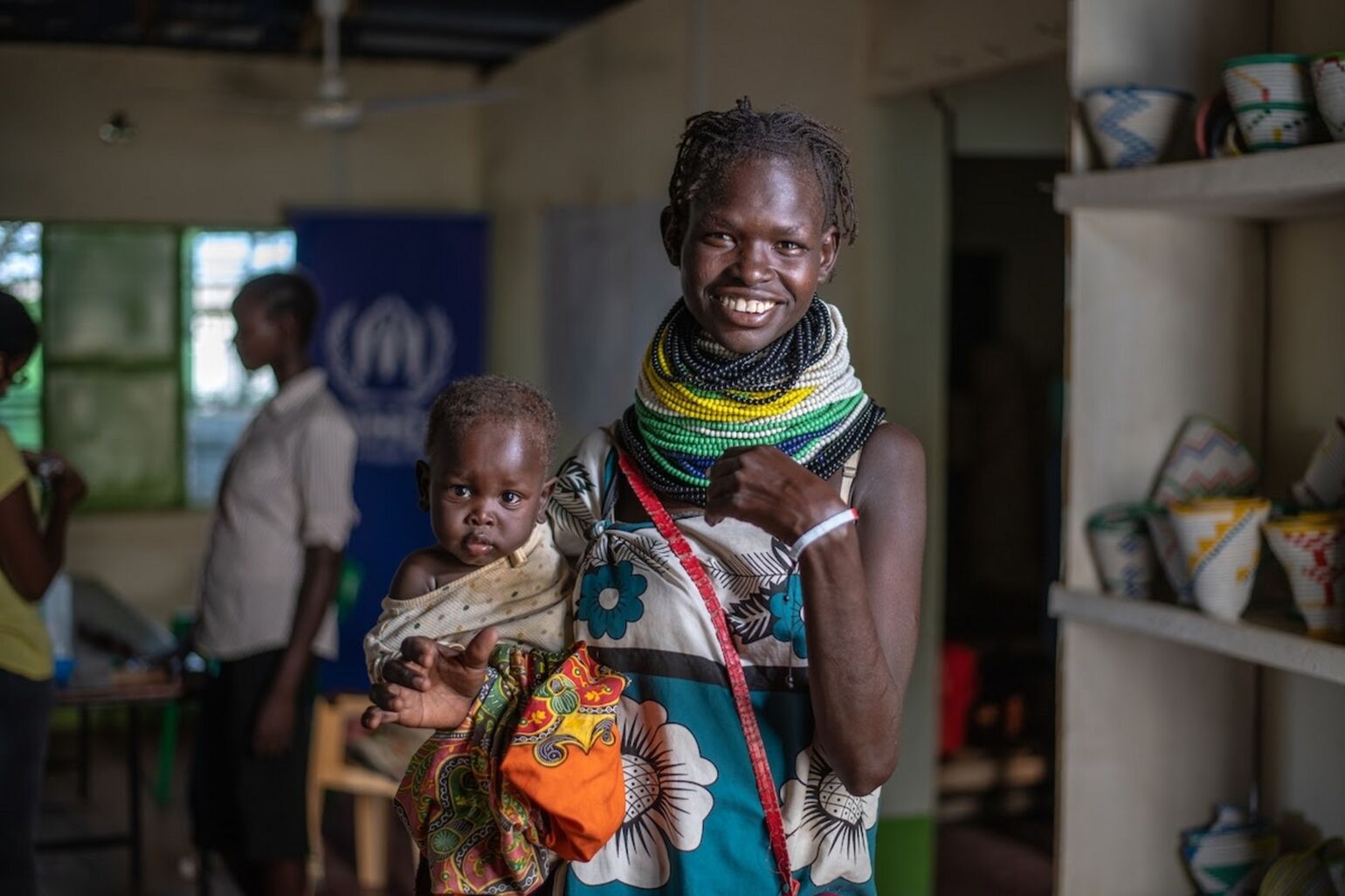
Lucy A., a Turkana woman from the host community, poses for a photo with her child at the MADE51 centre in Kalobeyei. She proudly displays her first UNIQLO design bracelet.
Though the majority of MADE51 artisans are refugees, in some locations refugee groups work with host community artisans. This helps create social cohesion and uplifts host communities, which are often also struggling with their own socio-economic challenges.
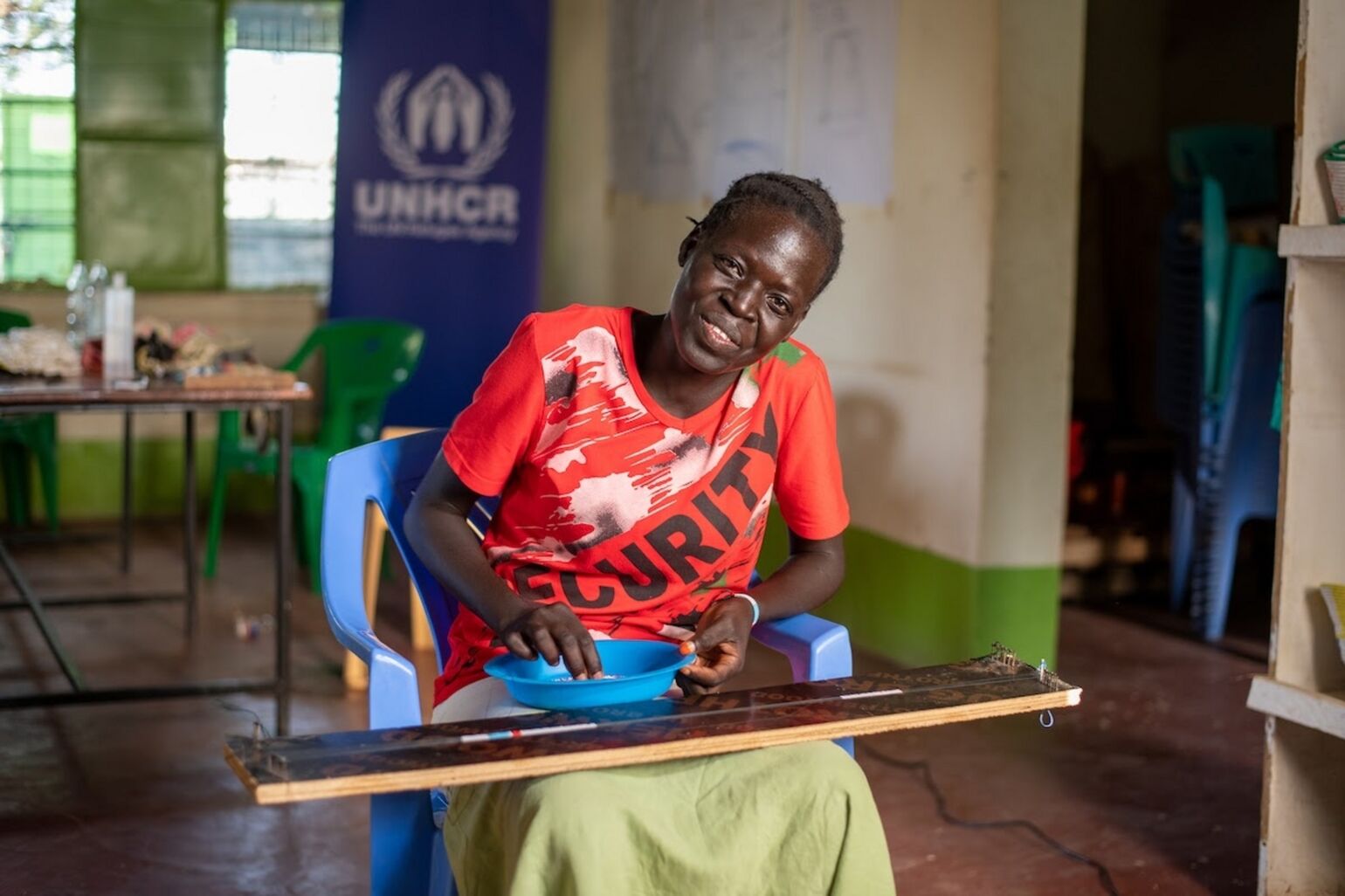
The bracelet collaboration engages artisan women from South Sudan who are currently living as refugees in Egypt, Ethiopia, Kenya, and are internally displaced in South Sudan.
The refugee crisis in South Sudan is complex. Since December 2013, brutal conflict has claimed thousands of lives and driven nearly 4 million people from their homes.
While many remain displaced inside the country, 2.2 million have fled to neighboring countries in a desperate bid to reach safety.
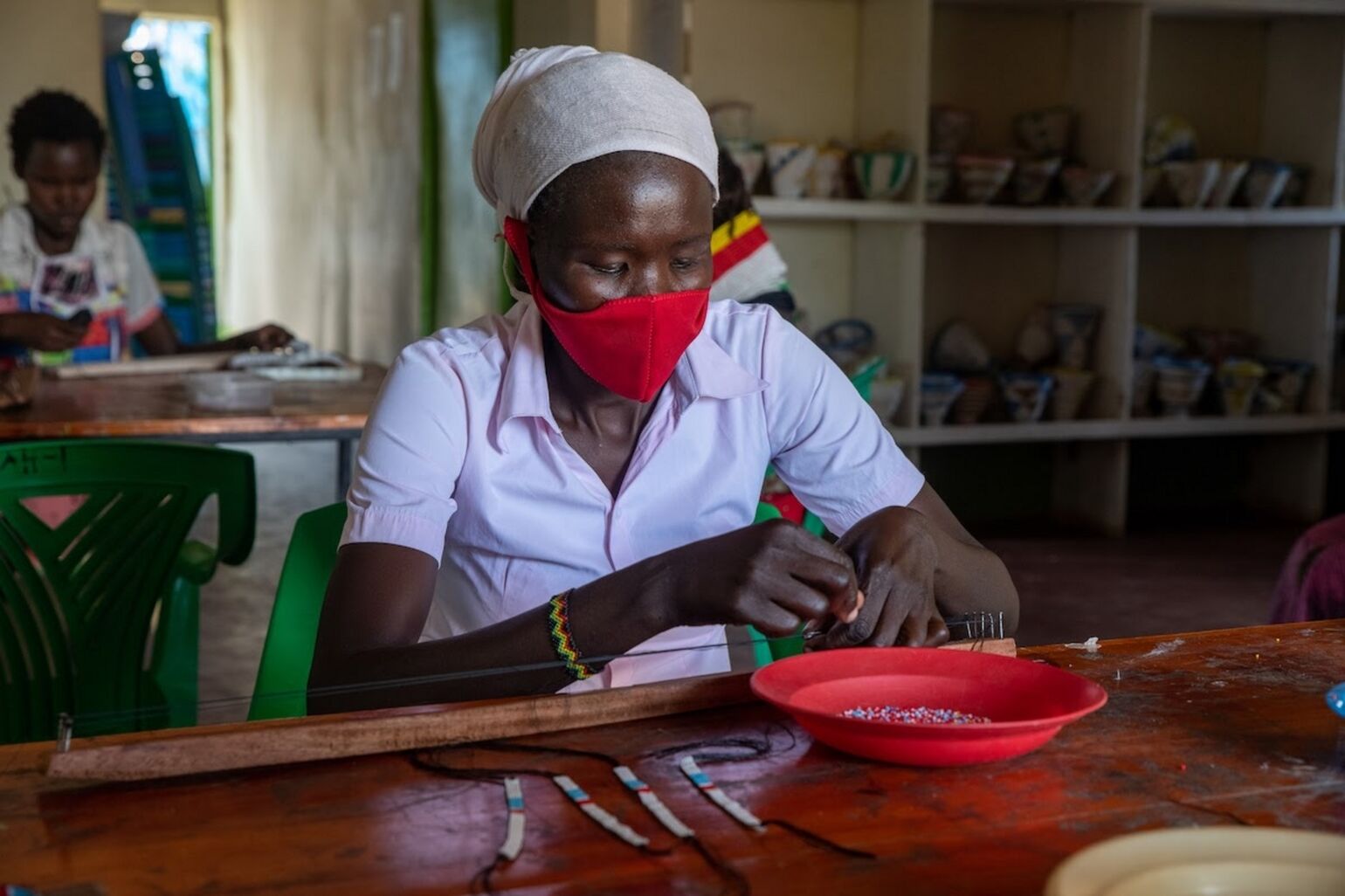
Stella A., a refugee from South Sudan, joins other women at the MADE51 centre in Kalobeyei, a refugee camp in Kenya, to make bracelets.
The income these women earn is used primarily to meet basic needs and support their children’s education.
The need for income is particularly acute in East Africa after since food rations for refugees were cut drastically in March 2021 due to a funding shortfall.
Learn more about how UNIQLO seeks to support refugees here
TOP