

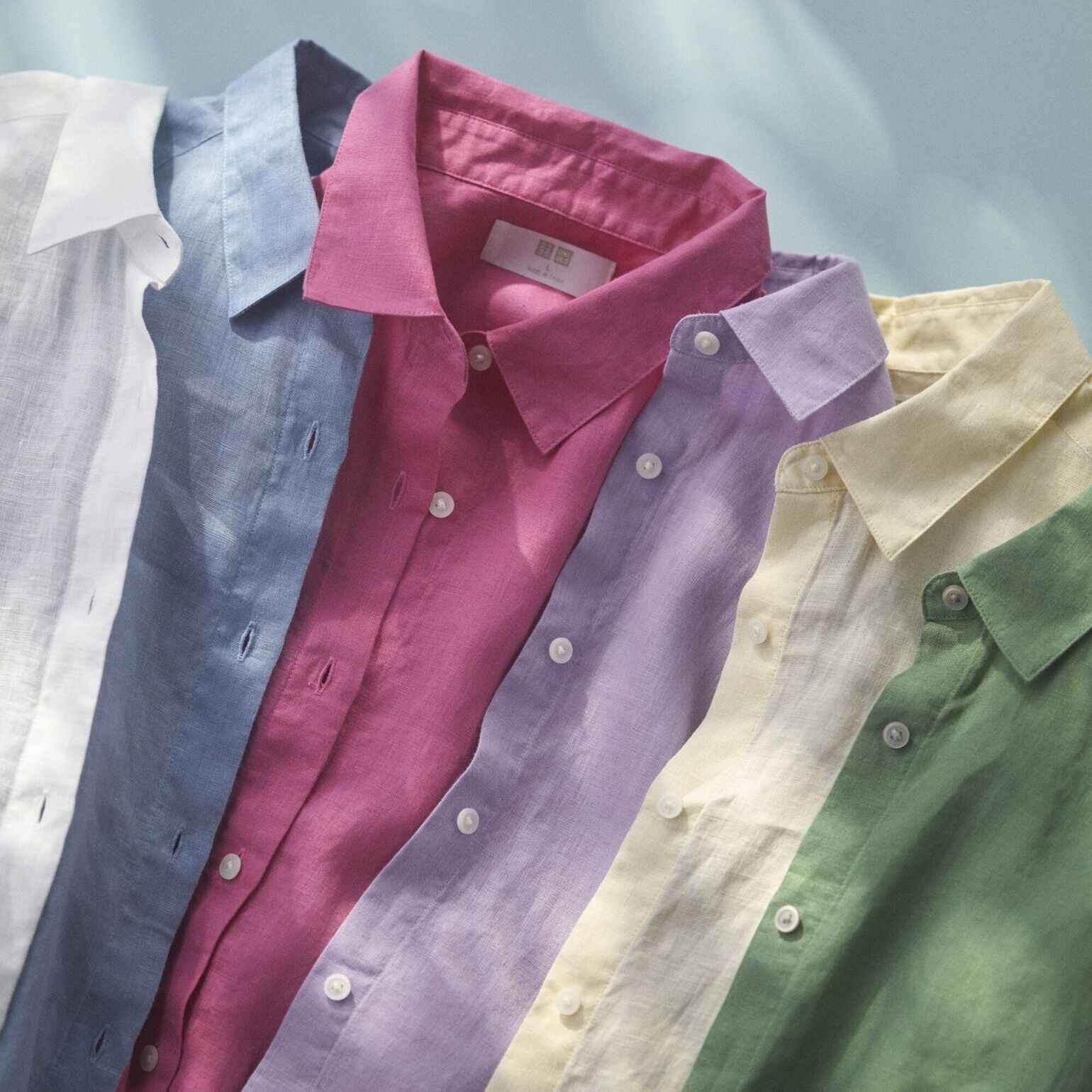
The Story Behind Our Linen
Sep 22, 2023
LifeWear
Authentic 100% Premium Linen & signature Linen blended fabrics, crafted with care.
The Power Of Flax
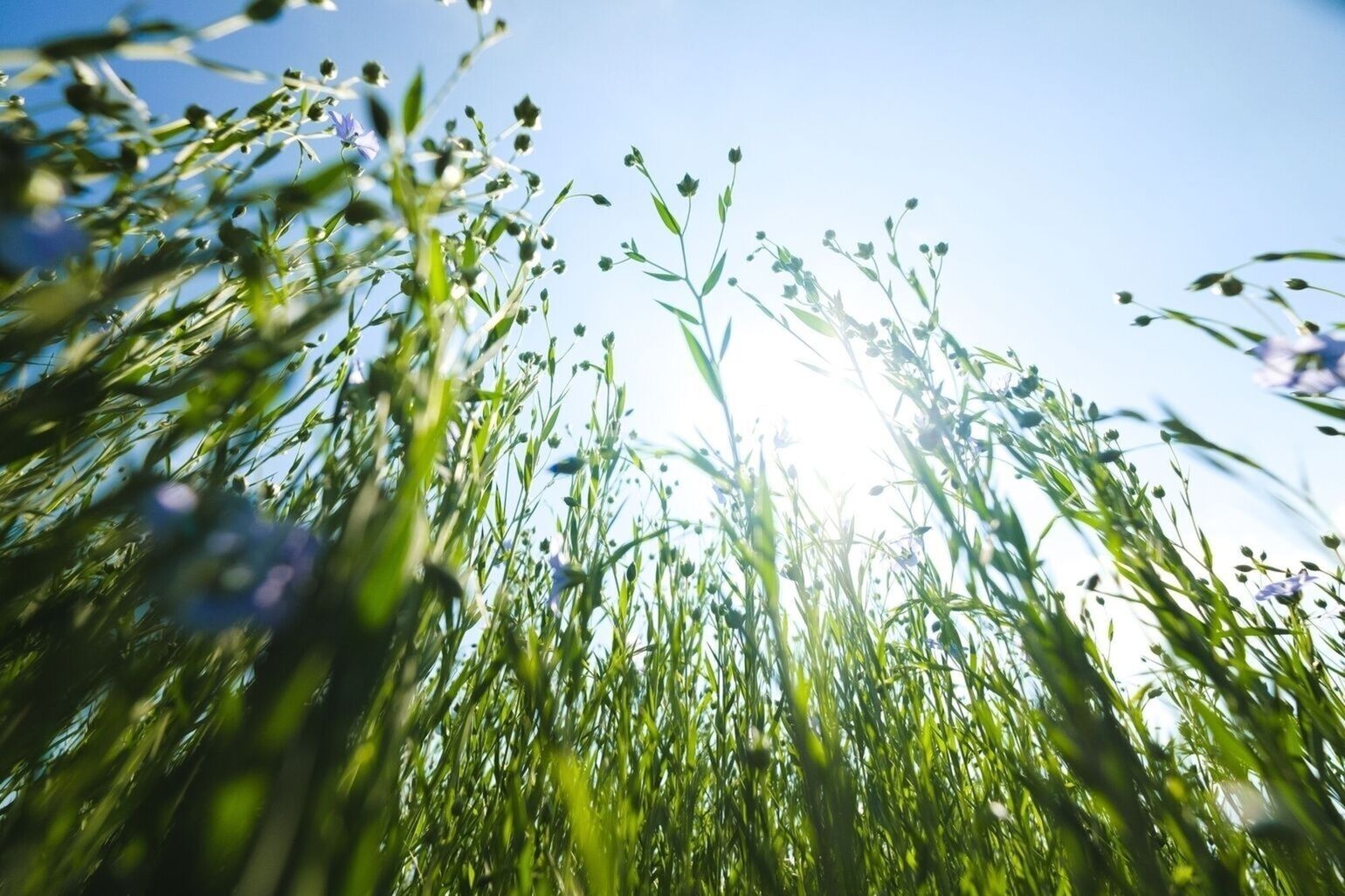
The flax plant that eventually becomes linen is pretty special as it requires no irrigation to grow; rainwater is enough. In fact, if flax cultivation was replaced by cotton, 650 billion cubic metres of water would be used in the process.
The flax plant is also a carbon well; each year one hectare of flax retains 3.7 tons of CO2*. The growing process also requires no GMO, no defoliant and only low fertiliser use.
Flax is also a zero-waste plant. Each part of the plant has its purpose: scutching tows can serve as raw material for paper or composite production, shives are ideal for manufacturing chipboard or for animal bedding, and linseeds are transformed into oil.
Our women’s premium linen shirt is made exclusively from European Flax® that has met the high standards of the Alliance for European Flax-Linen and Hemp. Partnering with European Flax® since 2017, their label gives our shirts a guarantee of quality and traceability.

Discover our Women's Linen Collection
Why Linen?
Breathability
The flax fibre is hollow and can absorb moisture well. In fact, linen fabric can absorb up to 20% of its own weight in water! The fibre also releases moisture easily, which makes the fabric dry quickly.
Thermoregulation
Contrary to popular belief, linen clothing is a great choice for all seasons; not just summer. Linen is naturally thermoregulating, meaning it offers a cooling feeling in summer and insulating properties in winter.
Durability
Linen is a very durable fabric and therefore ideal for keeping up with your day-to-day, while staying supple and resistant without pilling or becoming distorted. It can last years and has a high resistance to wear and tear.
Easy care
Linen is easy to care for, and can be hand washed, machine washed or dry cleaned.

Discover our Men's Linen Collection
How Is Our Linen Made?
Step 1: Sowing
Between mid-March and mid-April, the sowing process begins. After 100 days, flax has already grown to 1 metre.
Step 2: Blooming
By mid-June, the landscape has a delicate blue hue for a few weeks thanks to the blooms of the flax plant. The linen flower only lives for a few hours.
Step 3: Pulling
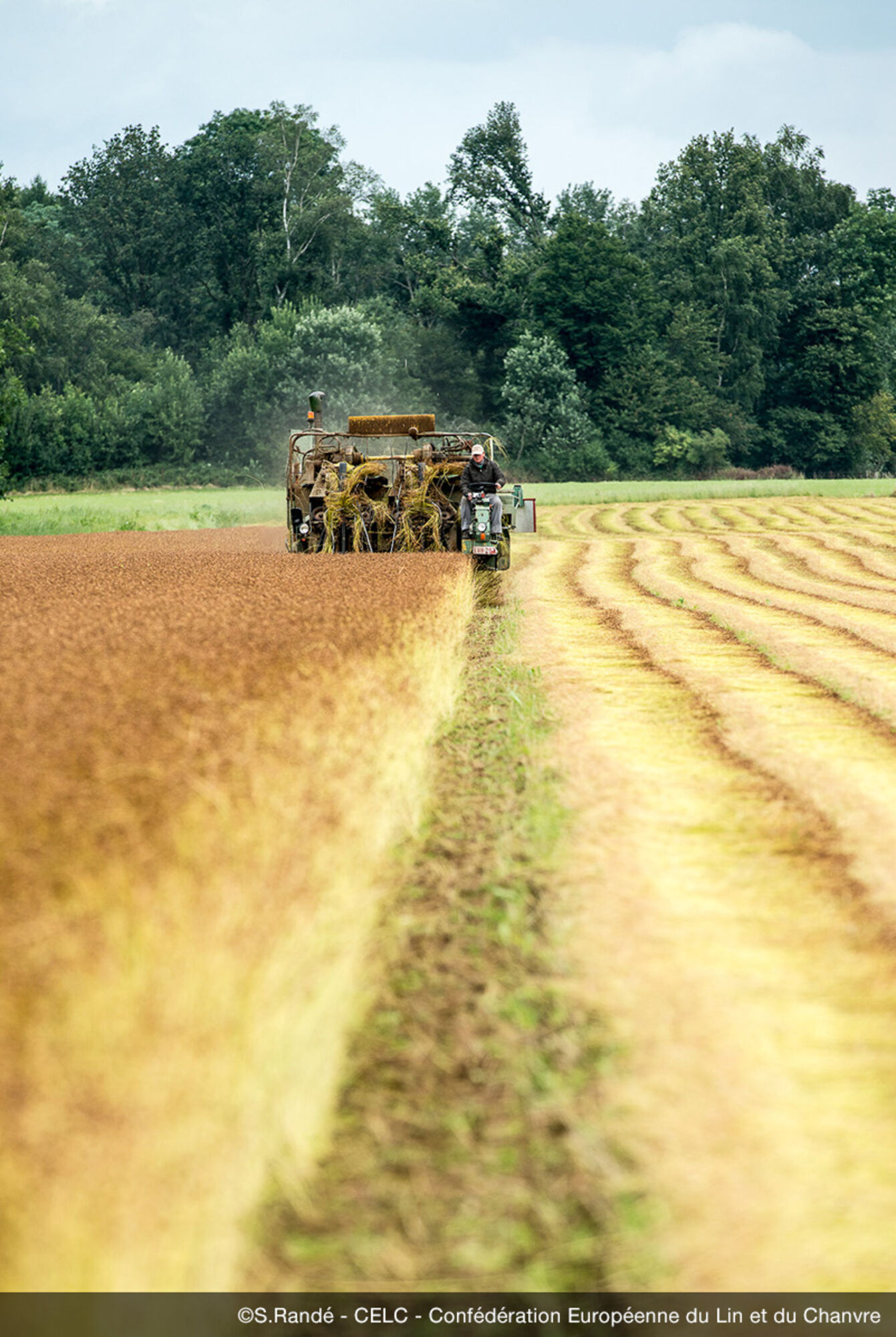
In July, flax reaches maturity. Flax isn't cut, but pulled up to preserve the length of the textile fibres, which go from the roots to the top of the stem.
Step 4: Retting
The first step in transforming the plant into fibres is retting. The plant is left lying on the field for up to 6 weeks while sun, dew, and rain help detach the fibrous skin from the central wood.
Step 5: Scutching
The second phase is scutching, a specialised mechanical process that removes the fibrous skin from the central wood.
Step 6: Combing
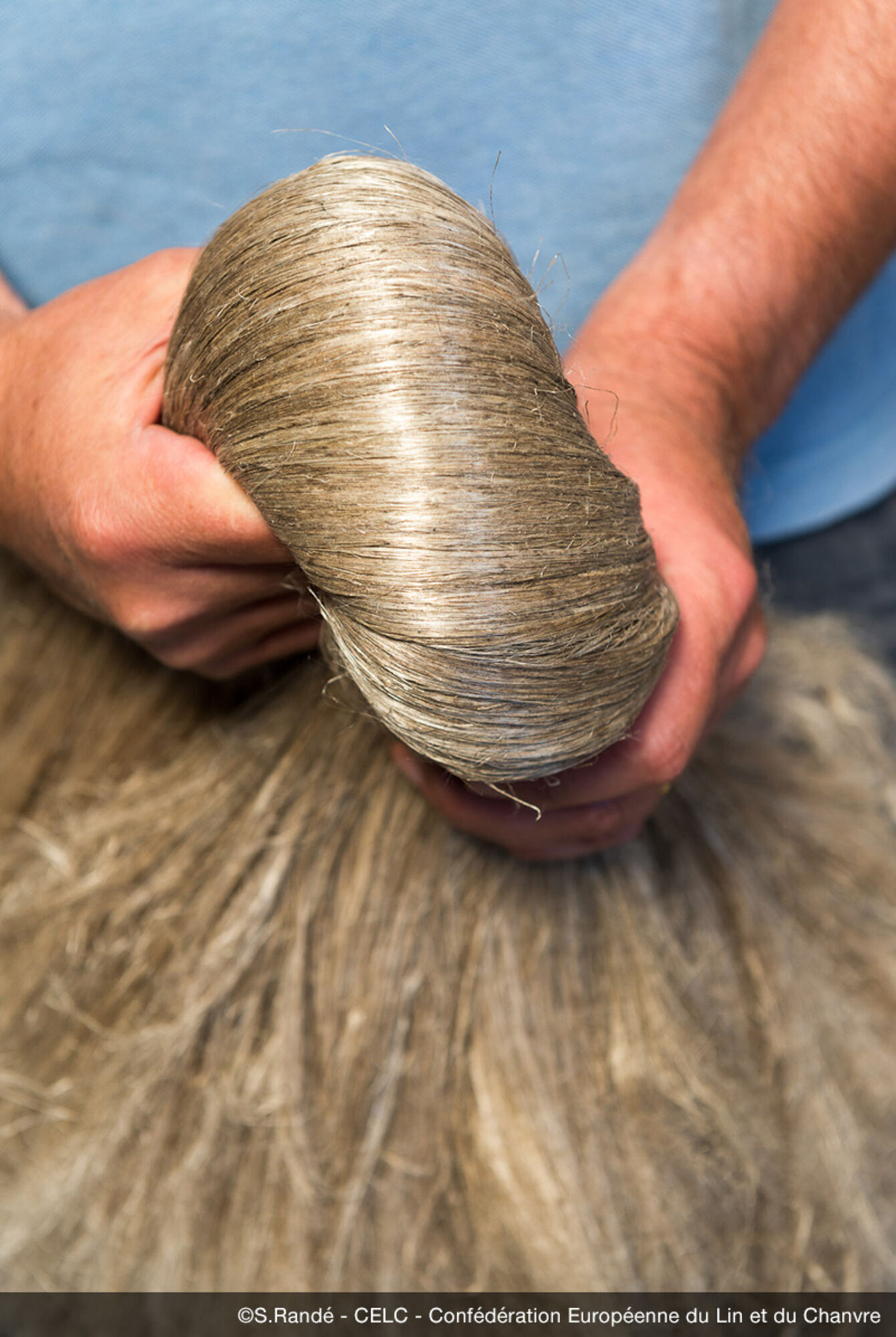
Combing is the preparation for spinning; a homogenisation of fibres. Thousands of pins comb the flax to produce two types of fibres: short fibres, which provide coarser yarns, and longer fibres, which will be transformed into the finest linen yarns.
Step 7: From Flax To Fibre
Thanks to the mixing process, up to 30 flax batches from different regions and years are joined to improve quality and consistency. After that, we start the next phase of transformation where the fibres are untangled, stretched, and threaded to produce fabrics of different types. Finally, the weaving begins, which gives life to extra-fine, regular, and especially smooth materials.
*Data comes from Alliance for European Flax-Linen and Hemp.
TOP